

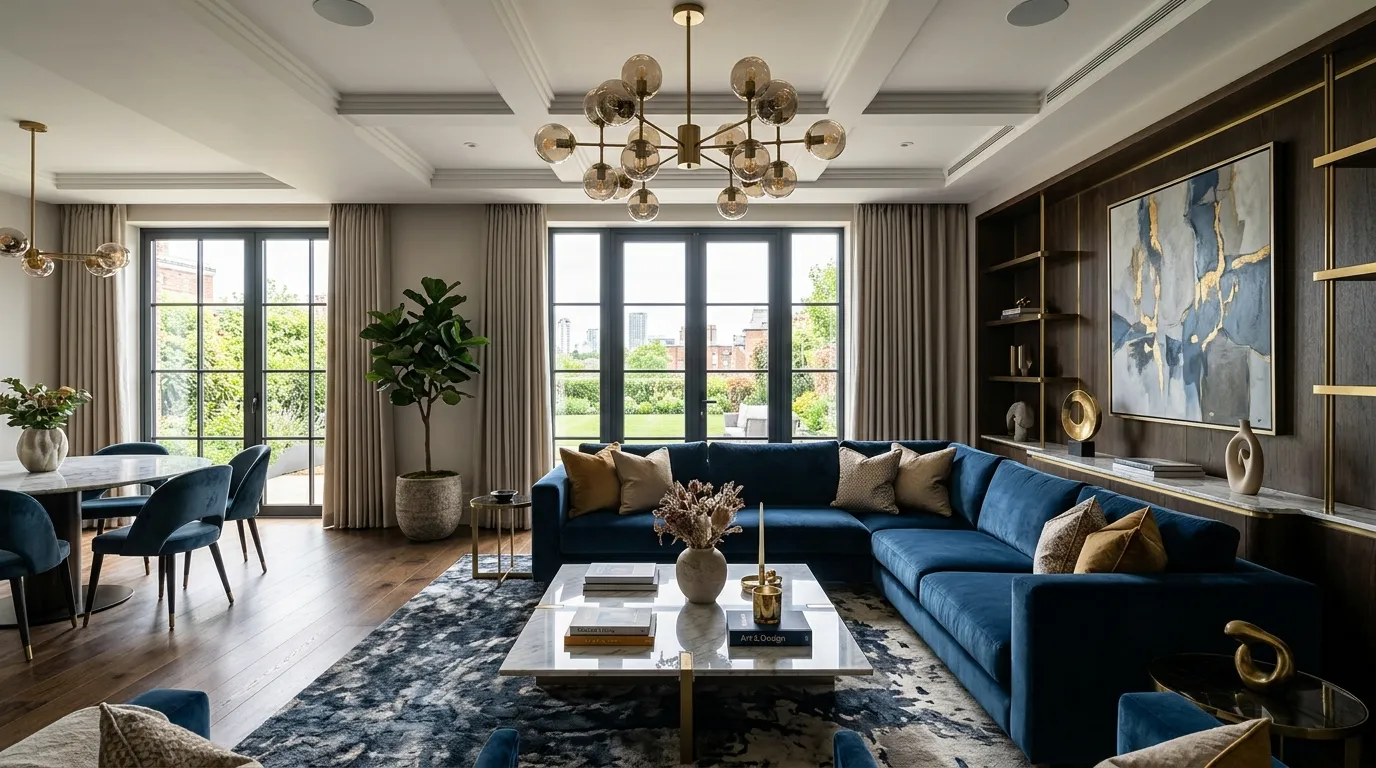
Applying luxury interior design trends to educational spaces revolutionizes how students learn. By prioritizing calm environments, luxury interior design trends significantly boost student focus and overall academic performance.
This comprehensive guide explores the powerful intersection between luxury interior design trends and modern educational environments. We analyze how adopting luxury interior design trends fosters calmness, improves cognitive focus, and transforms chaotic classrooms into serene learning spaces. Discover actionable strategies, expert tips, and common mistakes to avoid.
The Intersection of luxury interior design trends and Modern Learning

When we think about classrooms, we rarely consider luxury interior design trends. However, the core principles of luxury interior design trends—balance, harmony, high-quality materials, and exceptional lighting—are exactly what students need to thrive. By integrating luxury interior design trends into school architecture, we create environments that naturally lower anxiety. The adoption of luxury interior design trends in education is not about extravagance; it is about utilizing proven spatial psychology to enhance human performance.
Educators are beginning to realize that luxury interior design trends offer solutions to sensory overload. The careful curation of space inherent in luxury interior design trends allows students to process information without distraction. By studying luxury interior design trends, administrators can design spaces that respect the cognitive load of their students, proving that luxury interior design trends hold the key to educational transformation.
Biophilic Elements in luxury interior design trends
One of the most prominent luxury interior design trends is biophilic design. Bringing nature indoors is a staple of luxury interior design trends that directly benefits students. When schools adopt these luxury interior design trends, they introduce natural light, indoor plants, and organic textures. These specific luxury interior design trends reduce stress and improve air quality.
Furthermore, these luxury interior design trends connect students to the natural world. Implementing luxury interior design trends featuring wood finishes and stone accents creates a grounding effect. Research in environmental psychology supports these luxury interior design trends, showing that natural elements in the classroom improve test scores and student well-being.
Fostering Calm with luxury interior design trends
The primary goal of luxury interior design trends in high-end homes is to create a sanctuary. Schools can harness these same luxury interior design trends to build academic sanctuaries. Utilizing luxury interior design trends like muted color palettes and soft textiles dampens harsh noises. These luxury interior design trends actively calm the nervous system.
By replacing fluorescent lights with the layered lighting strategies found in luxury interior design trends, schools can eliminate headaches and visual strain. Lighting is one of the most critical luxury interior design trends. Warm, adjustable lighting—a hallmark of luxury interior design trends—tells the brain it is safe to relax and focus.
Ergonomics and luxury interior design trends
Comfort is a non-negotiable aspect of luxury interior design trends. When educational facilities embrace ergonomic luxury interior design trends, they provide seating that supports proper posture. These luxury interior design trends prevent physical discomfort, allowing students to concentrate entirely on their studies.
Investing in the furniture standards set by luxury interior design trends means choosing durability and comfort over cheap, mass-produced alternatives. These luxury interior design trends ensure that the physical environment respects the student’s body. The application of these luxury interior design trends results in fewer distractions and higher engagement levels.
Expert Insights on luxury interior design trends
Leading architects emphasize that luxury interior design trends are shifting toward wellness. The integration of luxury interior design trends into schools aligns with this global movement. Experts note that luxury interior design trends focus heavily on acoustics. Utilizing acoustic panels masked as art—a popular choice in luxury interior design trends—drastically improves speech intelligibility in classrooms.
Professionals in educational reform champion luxury interior design trends as a tool for equity. When all students have access to environments shaped by luxury interior design trends, the playing field levels. These luxury interior design trends signal to students that their education and well-being are highly valued.
Pro Tips for Integrating luxury interior design trends
To successfully implement luxury interior design trends in educational spaces, follow these expert strategies:
- Prioritize lighting: Use luxury interior design trends to layer ambient, task, and accent lighting.
- Focus on acoustics: Apply luxury interior design trends using soft materials to absorb echoing sounds.
- Select calming colors: Follow luxury interior design trends by using sage greens, warm terracottas, and soft blues.
- Bring in nature: Use luxury interior design trends like indoor water features or plant walls.
- Declutter spaces: Embrace minimalist luxury interior design trends to reduce visual noise.
- Upgrade tactile surfaces: Implement luxury interior design trends by adding rugs and textured wall coverings.
Comparing Traditional Decor vs luxury interior design trends
Understanding the shift requires comparing traditional classroom setups with spaces utilizing luxury interior design trends.
|
Feature |
Traditional Classroom |
luxury interior design trends |
|---|---|---|
|
Lighting |
Harsh, flickering fluorescents |
Layered, dimmable, warm LEDs |
|
Colors |
Primary colors, visually overstimulating |
Earth tones, visually soothing |
|
Furniture |
Rigid, hard plastic, uniform |
Ergonomic, plush, flexible |
|
Acoustics |
Hard surfaces, high echo |
Sound-absorbing materials, quiet |
|
Layout |
Rows of desks facing front |
Dynamic, collaborative, zoned |
As the table shows, luxury interior design trends offer a vastly superior environment for focus and calmness compared to outdated models.
Common Mistakes When Adopting luxury interior design trends

While integrating luxury interior design trends is beneficial, schools often make critical errors. One common mistake is mimicking the aesthetic of luxury interior design trends without the functionality. For instance, buying expensive-looking but uncomfortable chairs ignores the ergonomic core of luxury interior design trends.
Another mistake is over-cluttering a space with elements from various luxury interior design trends. True luxury interior design trends rely on breathing room and negative space. Administrators must remember that luxury interior design trends in education should prioritize student focus, not just visual appeal. Following luxury interior design trends blindly without consulting the specific needs of the student body will dilute the effectiveness of these luxury interior design trends.
The Psychological Impact of luxury interior design trends
The psychology behind luxury interior design trends is fascinating. luxury interior design trends evoke feelings of safety, prestige, and comfort. When students enter a room designed with luxury interior design trends, their cortisol levels drop. The application of luxury interior design trends communicates that the space is a zone of high value and respect.
Furthermore, luxury interior design trends help build student focus. By removing the chaotic visual stimuli found in standard classrooms, luxury interior design trends allow the brain’s executive functions to operate efficiently. These luxury interior design trends create a seamless interface between the student and the learning material.
Spatial Planning and luxury interior design trends
Effective spatial planning is central to luxury interior design trends. High-end spaces utilize luxury interior design trends to create distinct zones for different activities. Schools can use these luxury interior design trends to create reading nooks, collaborative pods, and independent study areas.
These luxury interior design trends give students autonomy over their learning environment. Autonomy is a key benefit of applying luxury interior design trends, as it empowers students to choose the space that best fits their current task.
Financial Viability of luxury interior design trends
Many assume luxury interior design trends are too expensive for public education. However, the philosophy of luxury interior design trends focuses on longevity and timelessness. Investing in luxury interior design trends often means buying durable, high-quality items that outlast cheap alternatives.
By strategically selecting which luxury interior design trends to implement—such as upgrading paint and lighting first—schools can achieve the benefits of luxury interior design trends on a budget. Long-term, the maintenance costs associated with luxury interior design trends are lower, making luxury interior design trends a smart financial choice for visionary school districts.
Sourcing Materials for luxury interior design trends
When adopting luxury interior design trends, sourcing sustainable materials is crucial. Current luxury interior design trends heavily favor eco-friendly options. Schools adopting these luxury interior design trends teach students about environmental responsibility.
Using reclaimed wood and recycled fabrics aligns perfectly with modern luxury interior design trends. These sustainable luxury interior design trends ensure that the school’s physical environment reflects positive ethical values.
Technological Integration in luxury interior design trends
Modern luxury interior design trends seamlessly hide technology. In an educational setting, these luxury interior design trends mean hiding wires, integrating screens into architecture, and using smart whiteboards that blend into the wall. These luxury interior design trends prevent technology from becoming a visual distraction.
By adopting these tech-focused luxury interior design trends, classrooms look cleaner and more organized. The minimalism inherent in these luxury interior design trends keeps the focus on the teacher and the lesson, rather than on tangled cords and blinking routers.
Evaluating the Outcomes of luxury interior design trends
To justify the shift toward luxury interior design trends, educators must track outcomes. Schools utilizing luxury interior design trends frequently report lower absenteeism and fewer behavioral issues. The calming effect of luxury interior design trends directly correlates with better emotional regulation among students.
Teachers also benefit from luxury interior design trends. An environment shaped by luxury interior design trends reduces teacher burnout. When educators work in spaces featuring luxury interior design trends, their own focus and calmness improve, creating a positive feedback loop driven entirely by luxury interior design trends.
Designing for Neurodiversity with luxury interior design trends
One of the most profound applications of luxury interior design trends is in supporting neurodiverse students. luxury interior design trends that emphasize low arousal environments are perfect for students with sensory processing differences. The muted palettes and soft lighting of luxury interior design trends prevent sensory overload.
By embracing these inclusive luxury interior design trends, schools become welcoming to all. luxury interior design trends naturally accommodate diverse learning needs by providing comfortable, quiet, and highly regulated sensory environments.
How luxury interior design trends Shape the Future
As we look forward, luxury interior design trends will continue to influence public architecture. The principles of luxury interior design trends are no longer confined to private estates or high-end hotels. luxury interior design trends are becoming the standard for any space where human performance and well-being are valued.
Educational institutions that ignore luxury interior design trends will find their facilities quickly outdated. Embracing luxury interior design trends is a commitment to the future of learning. Through the lens of luxury interior design trends, we can completely reimagine what a school looks and feels like.
Expanding luxury interior design trends to Common Areas
The benefits of luxury interior design trends should not stop at the classroom door. Hallways, cafeterias, and libraries all benefit from luxury interior design trends. By applying luxury interior design trends to common areas, schools create cohesive, calming journeys throughout the building.
These luxury interior design trends transform loud, stressful cafeterias into cafe-style lounges. The application of luxury interior design trends in libraries creates plush, focused reading environments. Everywhere you look, luxury interior design trends have the power to elevate the student experience.
Building Community Through luxury interior design trends
When a school implements luxury interior design trends, the surrounding community takes notice. Beautiful spaces designed with luxury interior design trends become points of local pride. Parents appreciate the luxury interior design trends that keep their children calm and focused.
Furthermore, applying luxury interior design trends can attract better faculty. Teachers want to work in beautiful, supportive environments, making luxury interior design trends a powerful recruitment tool. The holistic benefits of luxury interior design trends extend far beyond aesthetics.
Rethinking Standardized Testing Environments via luxury interior design trends
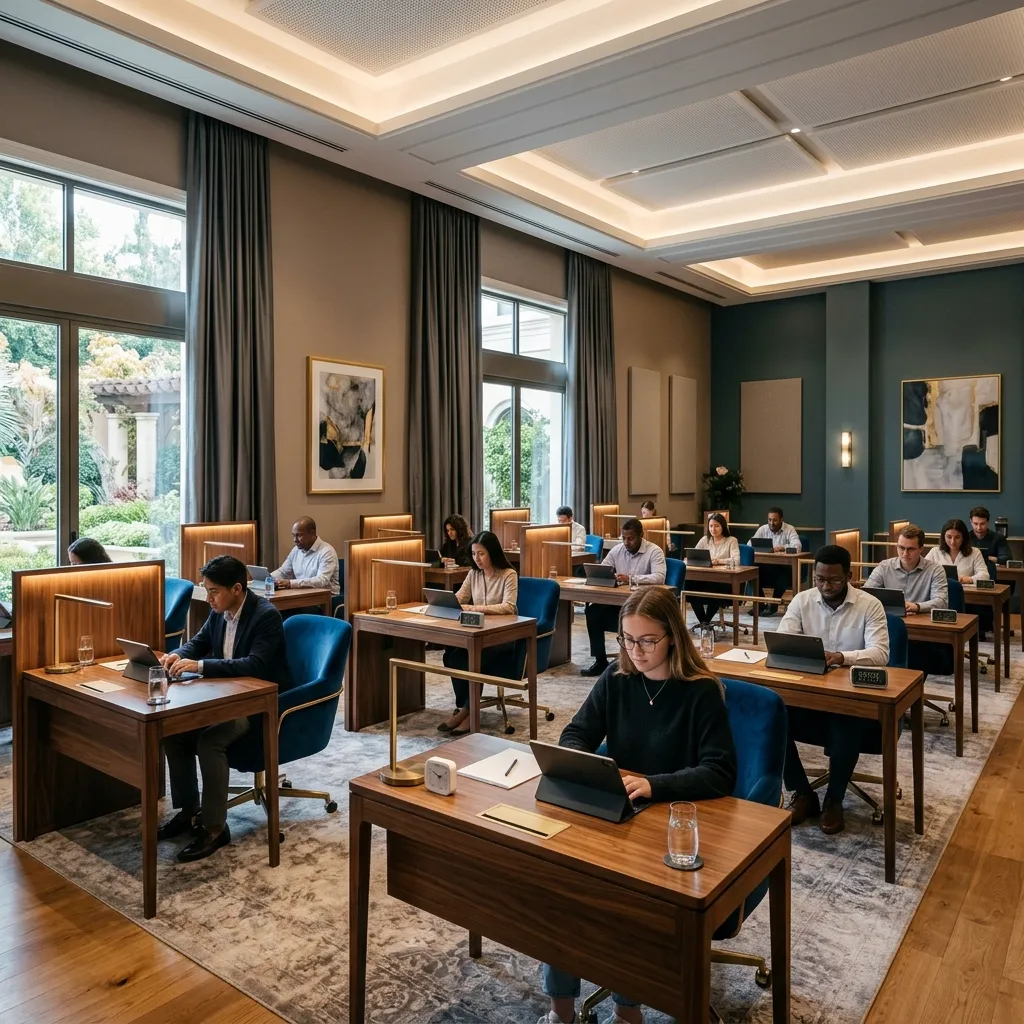
Test anxiety is a massive issue in education. However, luxury interior design trends can mitigate this stress. Designing testing centers using luxury interior design trends—featuring excellent ventilation, comfortable seating, and calming colors—helps students perform at their best.
These luxury interior design trends strip away the sterile, clinical feel of traditional testing rooms. By using luxury interior design trends to create a supportive physical environment, schools give students the best possible chance to succeed.
Conclusion
Integrating luxury interior design trends into educational spaces is a transformative strategy that promotes calm and enhances focus. By embracing the principles of luxury interior design trends, schools create environments where students truly thrive. Elevate your learning spaces today by investing in these powerful luxury interior design trends to foster unparalleled academic success and well-being.
FAQs
What are the main benefits of luxury interior design trends in schools?
Using luxury interior design trends reduces sensory overload, lowers anxiety, and increases student focus through better lighting, acoustics, and ergonomic furniture.
How do luxury interior design trends improve student focus?
luxury interior design trends eliminate visual clutter and harsh lighting, allowing the brain’s executive functions to operate efficiently in a calm, soothing environment.
Are luxury interior design trends too expensive for public schools?
Not necessarily. Many luxury interior design trends focus on long-lasting, durable materials. Strategic implementation of luxury interior design trends can be done on a reasonable budget.
What is the role of lighting in luxury interior design trends?
Lighting is a critical component of luxury interior design trends. It involves layering warm, adjustable lighting to prevent headaches and signal the brain to relax and focus.
How do luxury interior design trends support neurodiverse students?
The low-arousal environments championed by luxury interior design trends—using muted colors and soft acoustics—prevent sensory overload for neurodiverse students.
Can luxury interior design trends be applied to school cafeterias?
Yes, applying luxury interior design trends to cafeterias transforms them from loud, stressful rooms into calming, cafe-style lounges that encourage social harmony.
What is biophilic design in the context of luxury interior design trends?
Biophilic design is one of the top luxury interior design trends. It involves bringing nature indoors through plants, natural light, and organic textures to reduce stress.
How do luxury interior design trends help teachers?
Working in an environment optimized by luxury interior design trends reduces teacher burnout, lowers stress levels, and improves overall job satisfaction.
What are common mistakes when using luxury interior design trends in education?
A major mistake is prioritizing aesthetics over function—such as buying furniture that looks like luxury interior design trends but lacks ergonomic support.
Where should schools start when adopting luxury interior design trends?
Schools should begin by adopting luxury interior design trends related to lighting and paint colors, as these provide the most immediate calming impact on the environment.



Leave a Reply