

Explore how autonomous luxury redefines modern education. By prioritizing calm, focused environments, this innovative approach empowers students to achieve peak academic performance and profound personal growth.
Transitioning away from chaotic classrooms, autonomous luxury provides a serene, premium learning experience. This article explores actionable strategies, the cognitive benefits of distraction-free design, and comprehensive methodologies for transforming educational institutions into sanctuaries of deep focus and intellectual prosperity.
The Emergence of Autonomous Luxury in Learning Environments
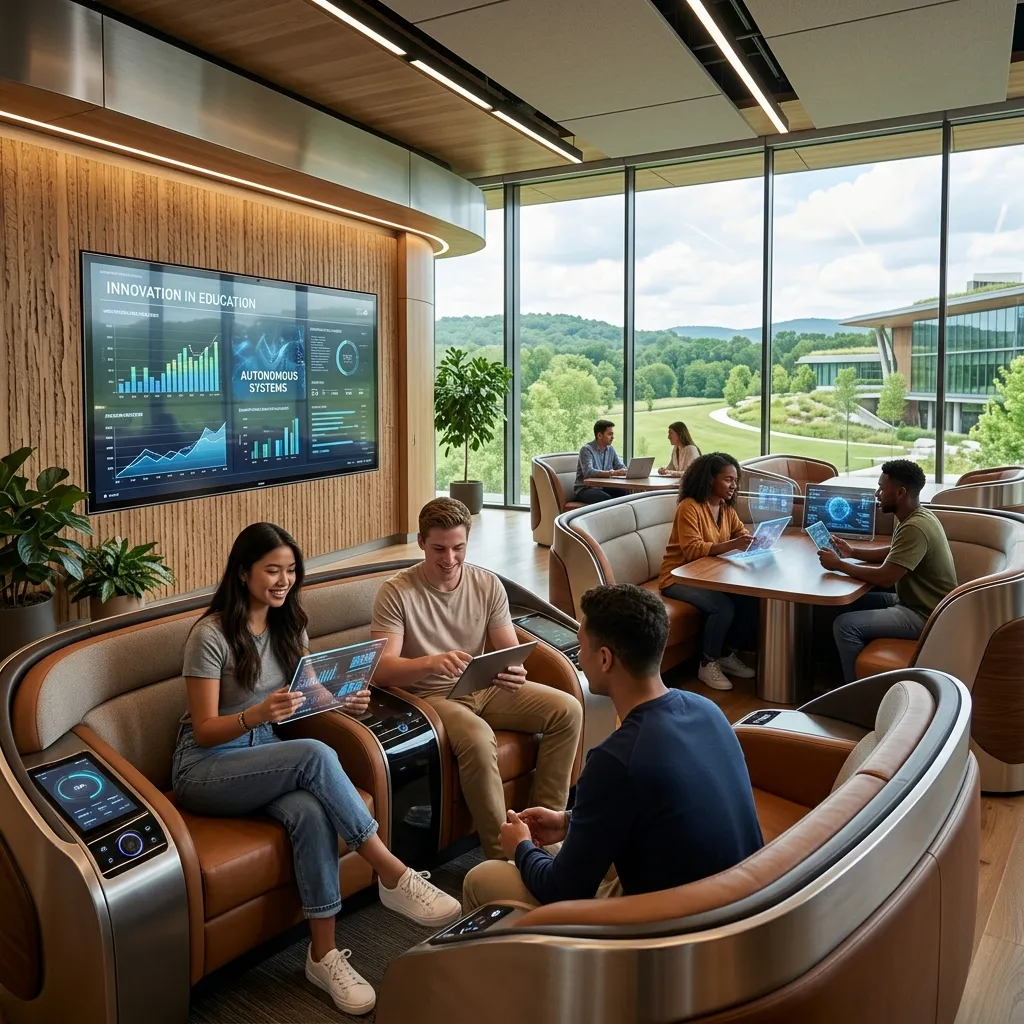
Education is undergoing a paradigm shift. We are moving away from the loud, overly stimulating environments of the past toward spaces that prioritize mental clarity. At the heart of this movement is autonomous luxury. This concept transcends simple aesthetics. It is a fundamental redesign of how students interact with their learning environments, granting them the freedom and premium resources to learn at their own pace in a tranquil setting.
When schools adopt autonomous luxury, they remove the friction from the educational experience. Students no longer battle sensory overload. Instead, they find themselves in thoughtfully designed spaces where acoustic treatments, natural lighting, and ergonomic furniture work together to lower stress. This environment naturally enhances cognitive retention and promotes a deeper love for learning.
Understanding the Core Principles
To implement this philosophy effectively, educators and administrators must understand its core pillars. First, self-directed pacing allows learners to take ownership of their academic journey. When students manage their time within a supportive, high-end environment, they develop intrinsic motivation. Second, environmental calmness directly reduces cortisol levels. Studies continually show that lower stress equates to higher executive functioning. By merging independence with a premium, soothing atmosphere, schools create an ecosystem where academic excellence thrives organically.
The Evolution from Automated to Autonomous Homes
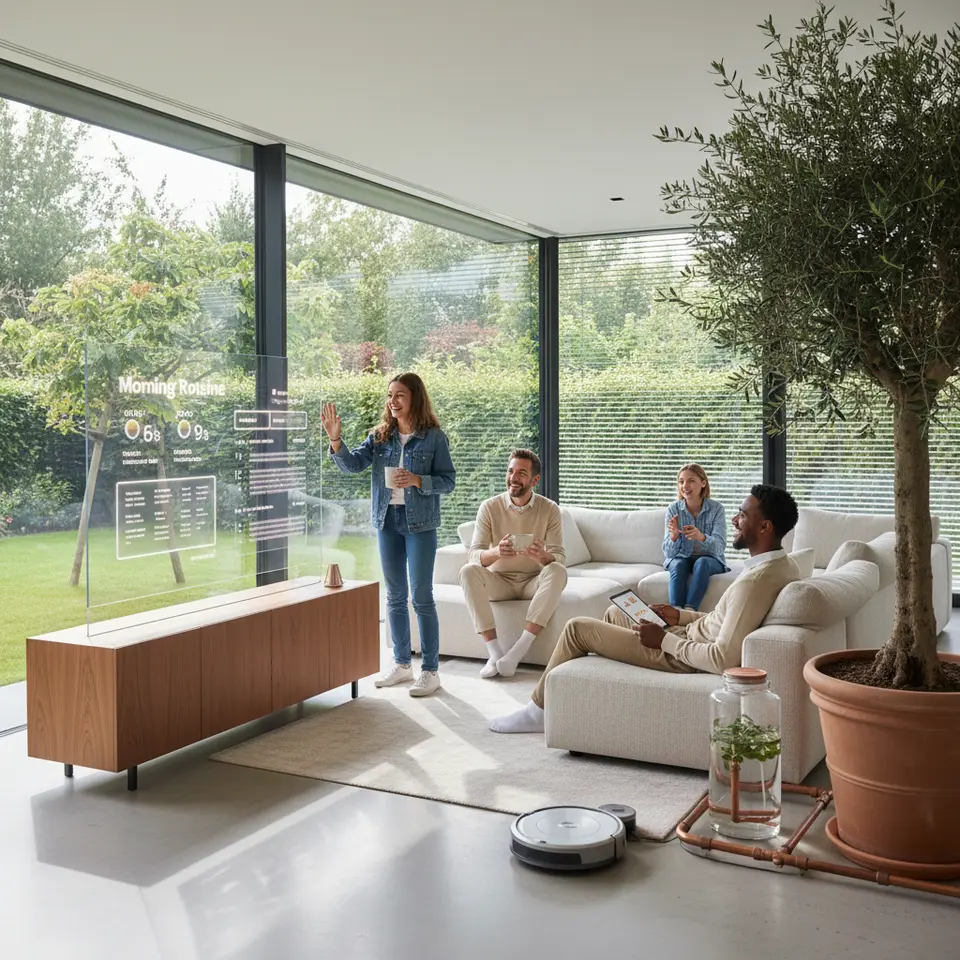
Early iterations of smart homes focused on remote control—adjusting thermostats, flipping lights, or arming security systems via mobile apps. While innovative at the time, these reactive models required explicit commands and offered limited contextual awareness. Today, autonomous luxury smart homes harness machine learning models trained on occupant routines, sensor outputs, and environmental factors to proactively optimize every function. By blending cloud-based analytics with on-site edge computing, residences can process critical data locally, ensuring both rapid responses and stronger data privacy.
Voice-assisted controls have evolved from simple command execution to contextual dialogue. Instead of issuing fixed instructions, residents converse naturally with AI engines that recall past preferences. For instance, after finishing a morning yoga session, lighting hues seamlessly shift to energizing tones, windows adjust their tint for optimal glare reduction, and a curated playlist begins—all without direct prompts. This degree of anticipatory service marks a distinct leap from standard automation to genuine autonomy.
Integration of IoT sensors embedded in textiles, countertops, and structural elements allows continuous monitoring of factors such as humidity, air quality, and occupancy. Edge nodes analyze these data streams, executing real-time adjustments and minimizing latency compared to cloud-only architectures. With this hybrid approach, autonomous luxury smart homes deliver a frictionless living environment that intuitively supports health metrics and daily rhythms.
Crafting Hyper-Personalized Wellness and Ambiance
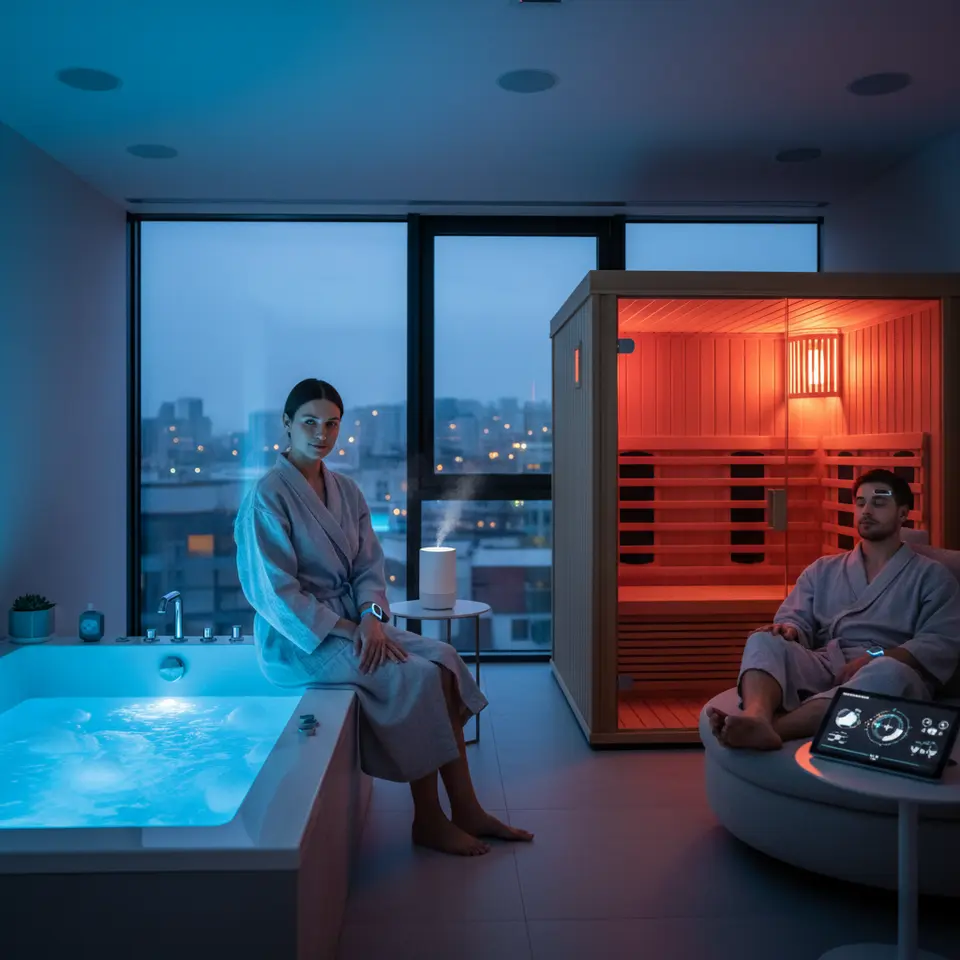
One hallmark of autonomous luxury smart homes is their ability to curate deeply personalized experiences. Beyond motion-triggered events, these residences integrate biometric feedback—heart rate variability, sleep phases, stress indicators—to design environments tailored to emotional and physiological states. When stress levels spike, systems may decrease overhead lighting, activate gentle acoustic therapy, and diffuse calming essential oils, creating an at-home retreat optimized for relaxation.
Emotional AI interprets vocal inflections and micro-expressions to refine ambiance further. Imagine returning from a busy afternoon; your foyer transitions from vibrant daylight simulation to subdued, warm tones while the central AI assistant discreetly prepares an herbal tea steeped according to your hydration profile. These bespoke interactions draw on large language models and sensor fusion to anticipate desires before they’re even consciously registered.
In the realm of wellness, smart hydrotherapy baths and infrared saunas exemplify the marriage of luxury and health science. Autonomous luxury smart homes cross-reference biometric histories with environmental variables—room temperature, humidity, water minerals—to optimize session parameters. Results include improved circulation, muscle recovery, and deep mental restoration, supported by algorithms informed by research from institutions like the Massachusetts Institute of Technology Bioastronautics Lab.
Integrating Autonomous Luxury into Modern Curriculums
Adopting this premium approach requires more than just buying new furniture. It demands a holistic integration into the curriculum itself. Teachers must shift from being lecturers to becoming facilitators of advanced pedagogical frameworks. This means designing lesson plans that take advantage of the upgraded spaces.
For example, a school might implement block scheduling that allows for extended periods of uninterrupted study. During this time, students can utilize the premium amenities provided by an autonomous luxury setup. This method not only prepares them for the rigors of higher education but also mimics the flexible, high-trust environments of modern elite workplaces.
Structured Comparison: Traditional vs. Modern Approaches
|
Feature |
Traditional Education |
Autonomous Luxury Education |
|---|---|---|
|
Pacing |
Rigid, teacher-directed |
Flexible, student-led |
|
Environment |
Highly stimulating, standardized |
Calm, customized, premium |
|
Acoustics |
Echo-prone, noisy |
Sound-dampened, serene |
|
Focus |
Rote memorization |
Deep work and critical thinking |
|
Well-being |
Secondary priority |
Central to the design philosophy |
Pro Tips for Educational Administrators
To successfully bring autonomous luxury into your school district, consider these expert insights:
- Start with lighting. Swap out harsh fluorescents for tunable LED lights that mimic natural circadian rhythms.
- Prioritize acoustics. Invest in high-quality soundproofing panels. A quiet room is the foundation of a focused mind.
- Give students a voice. Allow them to have a say in the design of student wellness centers to ensure the spaces actually meet their needs.
- Train your staff. Teachers must learn how to manage a classroom where students have the autonomy to move and choose their workspaces.
Common Mistakes to Avoid When Upgrading Spaces
While the transition to autonomous luxury is highly beneficial, many institutions stumble by focusing too much on looks rather than functionality.
- Ignoring Ergonomics: Buying beautiful but uncomfortable furniture defeats the purpose of creating a stress-free environment.
- Overcrowding the Space: Adding too many premium features can actually re-introduce sensory overload. Keep designs minimalist and purposeful.
- Lack of Teacher Buy-In: If educators do not understand how to leverage the new autonomous luxury environment, the investment will be wasted. Ensure continuous professional development.
- Forgetting Accessibility: Luxury must be inclusive. Ensure that all calm spaces are fully accessible to students with physical or neurodivergent needs.
Sustainable Opulence Through Intelligent Resource Management
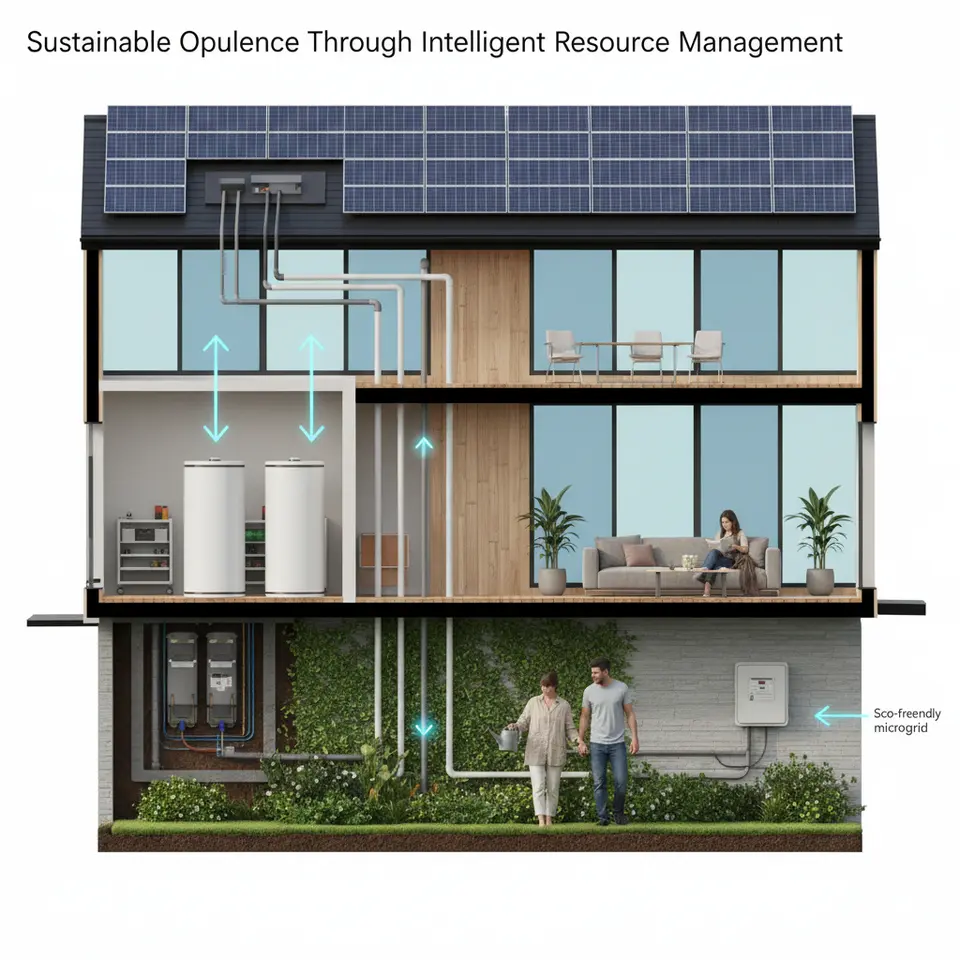
Despite its lavish scope, autonomous luxury smart homes are increasingly designed for responsible indulgence. Advanced AI platforms harmonize renewable energy generation—solar photovoltaics, geothermal arrays—with battery storage to meet dynamic demand. By predicting consumption trends hours in advance, systems schedule load shifts to off-peak periods, minimizing costs and carbon footprint. Excess energy can be sold back to the grid via smart meters that adhere to standards set by NIST, turning homes into microgrid contributors.
Water conservation also benefits from AI-driven insights. Greywater recycling systems analyze usage patterns, filtering and redirecting flows toward irrigation schedules aligned with soil moisture sensors. Landscape designs incorporate adaptive planting guides that optimize foliage density for shade and heat regulation, reducing overall cooling loads. Smart glass windows adjust opacity dynamically, mitigating solar gain while preserving scenic views.
Material selection and modular architecture further advance ecological goals. IoT-embedded composite panels report structural health metrics in real time, prompting maintenance alerts that extend product lifespans. Interior configurations adapt to seasonal shifts and occupant preferences, reducing the need for frequent renovations and minimizing waste. This blend of high-end design and green technology demonstrates that autonomous luxury smart homes can uphold uncompromising comfort alongside environmental stewardship.
Ensuring End-to-End Security and Seamless Connectivity
As connectivity grows, so does the attack surface. Autonomous luxury smart homes employ multilayered cybersecurity strategies, anchored by AI-driven threat detection and blockchain-secured identity management. Network traffic is continuously analyzed to identify anomalies—unusual data flows or unauthorized device attempts—triggering real-time containment protocols. Edge computing nodes work in tandem with cloud analytics to isolate potential breaches without compromising performance.
Biometric authentication adds a frictionless yet robust security layer. Palm-vein scanners at entryways, voice-pattern recognition for sensitive areas, and even gait analysis combine to verify identities with minimal disruption. AI models update recognition algorithms dynamically, accommodating subtle physiological changes and repelling spoofing attempts. Homeowners receive push notifications for unauthorized access attempts, supplemented by automated measures like network segmentation and signal jamming.
Integration of decentralized ledgers ensures that access credentials and system logs remain tamper-proof. Only verified devices and users are authorized, safeguarding personal data and system configurations. This year (2026), leading cybersecurity researchers emphasize that such proactive threat mitigation is essential for sustaining trust in autonomous luxury smart homes.
Balancing High-Tech Automation with Human-Centric Services
Despite the remarkable capabilities of AI, genuine human empathy remains irreplaceable. Top-tier residences deploy hybrid service models where AI recommendations are augmented by expert human curators. When emotional AI detects distress signals—such as elevated stress metrics or vocal tension—it seamlessly transfers control to live professionals. For instance, a licensed therapist might guide a meditation session, or a sommelier could join virtually to suggest a vintage aligned with the evening’s mood.
Digital avatars present tailored art collections, musical playlists, and travel itineraries, yet final selections are refined by cultural specialists who understand nuanced tastes. This synergy preserves the authenticity of human connection, ensuring that high-tech convenience never eclipses personal rapport. Zero-knowledge encryption safeguards sensitive preference data, allowing service providers to enhance experiences without direct access to underlying records.
Ultimately, autonomous luxury smart homes excel when they balance algorithmic precision with emotional intelligence. By combining real-time environmental adjustments with on-demand human expertise, residents enjoy both streamlined automation and the warmth of personalized attention.
Conclusion
In this year (2026), autonomous luxury smart homes stand as a testament to the fusion of AI innovation, sustainability, and human-centric design. From anticipatory climate control and wellness-centric environments to robust security and hybrid service frameworks, these residences redefine opulence by placing autonomy and personalization at the forefront. As advances in edge computing, emotional AI, and resource management continue to mature, this new era of living promises unmatched comfort, responsibility, and emotional resonance. Today, homeowners enjoy an unparalleled lifestyle where every detail is thoughtfully curated, ensuring that luxury not only delights the senses but also honors well-being and ecological balance.
Frequently Asked Questions
1. What exactly does autonomous luxury mean in an educational context?
It refers to providing students with premium, meticulously designed learning environments where they have the freedom to choose how and where they study. It focuses on reducing sensory overload to maximize concentration and mental well-being.
2. How does a calming environment improve student grades?
A serene space lowers stress hormones like cortisol. When students feel relaxed and safe, their executive functioning improves, allowing for better memory retention, problem-solving skills, and ultimately higher academic performance.
3. Is autonomous luxury only for private schools?
No. While it implies premium design, the core principles—such as better lighting, reduced noise, and flexible seating—can be scaled and integrated into public school budgets through smart planning and phased upgrades.
4. How does this concept support neurodivergent students?
Students with ADHD or autism often struggle in overstimulating environments. By providing sound-dampened areas, soft lighting, and personal space, this approach creates an inclusive atmosphere where neurodivergent learners can thrive comfortably.
5. What is the first step a school should take to implement this?
The most impactful first step is conducting an environmental audit. Identify the loudest, most visually chaotic areas of the school and begin by introducing acoustic treatments and decluttering those specific spaces.
6. Do students actually focus better when given autonomy?
Yes. When students are trusted to choose their workspace within a structured, high-quality environment, they develop intrinsic motivation and take greater responsibility for their own learning outcomes.
7. How do teachers manage a classroom designed around autonomous luxury?
Teachers act more as guides than lecturers. They set clear expectations and goals, allowing students to utilize the premium spaces to complete their work, while the teacher circulates to provide one-on-one support.
8. What role does technology play in these calm environments?
Technology is integrated seamlessly and quietly. Rather than flashing screens and loud alerts, tech is used for self-paced learning modules and personalized feedback, maintaining the serene atmosphere of the room.
9. Can autonomous luxury help reduce student burnout?
Absolutely. By removing the constant friction and sensory barrage of traditional schooling, students expend less mental energy coping with their environment, leaving them with more energy for actual learning and creativity.
10. Where can administrators find funding for these premium upgrades?
Schools can look into specialized educational grants focusing on student wellness and innovative classroom design. Additionally, partnering with local businesses for sponsorships can help fund specific zones, like a dedicated quiet study lounge.



Leave a Reply