

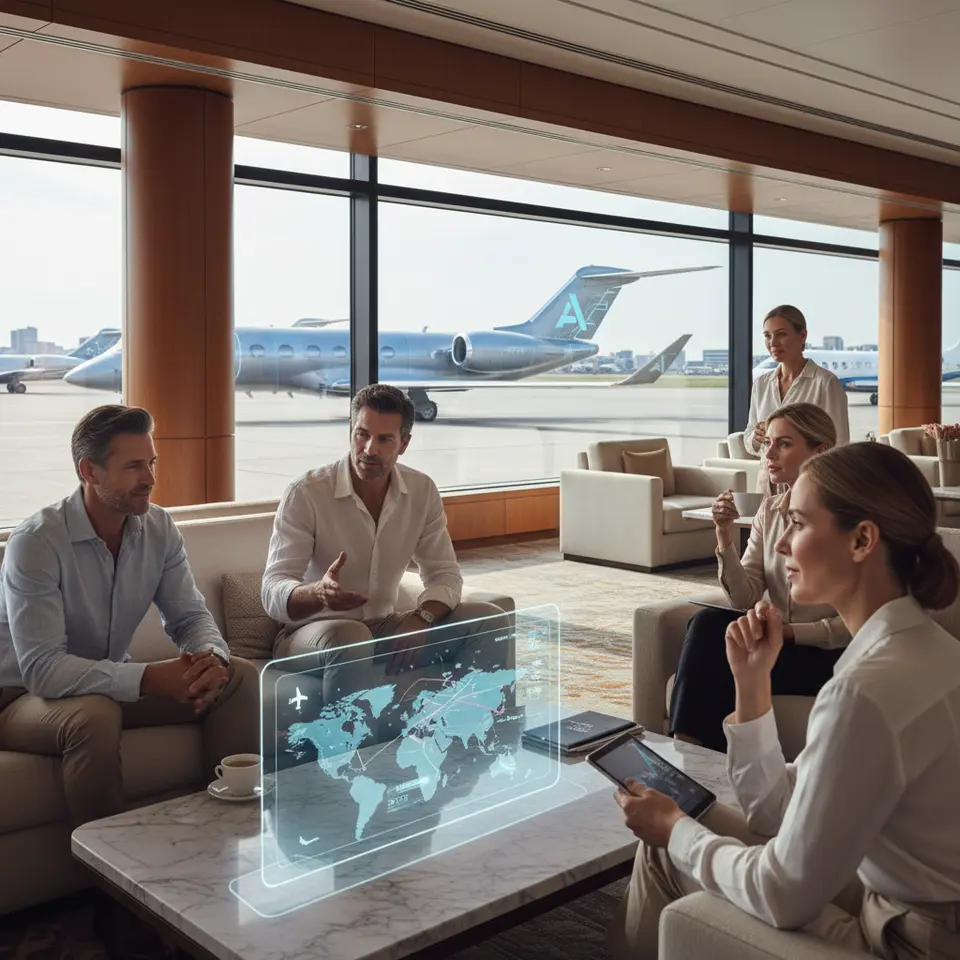
Have you ever considered how luxury jets might revolutionize learning? By offering unparalleled calm and focus, these environments are fundamentally transforming modern education.
As global learning evolves, the intersection of aviation and education presents unique opportunities. This comprehensive guide explores how luxury jets provide secure, distraction-free environments, enhancing cognitive retention and minimizing travel fatigue for students and researchers engaged in high-level global studies.
The Evolution of the Modern Learning Environment
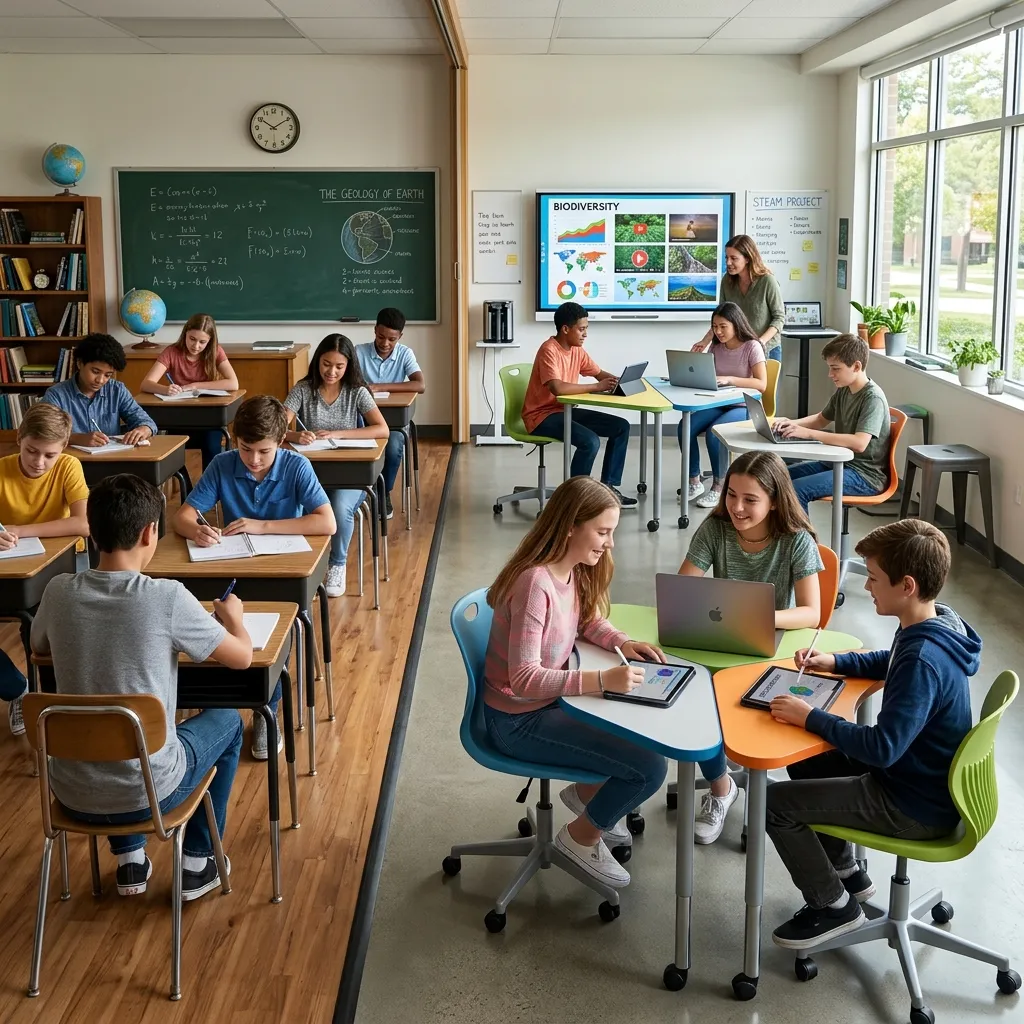
Education is no longer confined to the four walls of a traditional classroom. As globalization accelerates, the demand for immersive, experiential learning has skyrocketed. Universities, elite preparatory schools, and corporate training programs are increasingly sending their scholars across the globe to engage directly with historical sites, international markets, and foreign cultures. However, the logistics of global travel often introduce immense stress, fatigue, and cognitive overload. This is where the strategic use of luxury jets comes into play, offering a paradigm shift in how we approach educational travel.
By utilizing luxury jets, educational institutions can completely bypass the chaos of commercial airports, long security lines, and unpredictable flight delays. This seamless transition from one global destination to another preserves the mental energy of students and educators alike. Instead of spending hours navigating crowded terminals, learners can immediately engage in pre-flight briefings, in-air seminars, and collaborative projects. The aircraft itself transforms into an airborne lecture hall, equipped with cutting-edge technology and designed specifically to foster deep, uninterrupted thought.
Redefining the Boundaries of the Classroom
The traditional classroom is designed to centralize resources, but it often struggles to replicate real-world complexities. When we take education to the skies, the environment itself becomes a tool for enhanced focus. The controlled atmosphere of luxury jets allows for customized lighting, climate control, and acoustic management, all of which are critical factors in maintaining student concentration.
Research from environmental psychology suggests that physical comfort and reduced ambient noise directly correlate with increased academic performance. By controlling these variables perfectly, aviation-based classrooms eliminate the typical physical discomforts associated with travel. This allows students to maintain a state of “flow,” a psychological concept where a person is fully immersed and focused on the task at hand. When flying between international case studies, this flow state ensures that learning is continuous, rather than fractured by the logistics of transit.
Adaptive Smart Interiors for Personalized Comfort
Imagine stepping aboard an aircraft where the cabin instantly transforms to reflect your unique preferences—ambient lighting shifts to your favorite hues, temperature zones adjust for optimal comfort, and window shades modulate their tint to reduce glare exactly when you need it. AI-Driven Luxury Jets leverage sensor arrays embedded in overhead panels, seat cushions, and sidewalls to continuously monitor environmental variables and passenger feedback. These data streams feed into machine learning algorithms that craft individualized comfort profiles, which evolve over multiple journeys.
For example, predictive analytics can detect subtle physiological cues—heartbeat variability indicating heightened stress or changes in skin temperature that signal fatigue—and automatically modify cabin humidity or introduce gentle air currents to refresh tired travelers. Advanced motion sensors and facial recognition cameras register when a guest gravitates toward work mode versus rest, enabling the cabin to reconfigure modular furniture such as pop-up desks, retractable footrests, and automated privacy partitions. A centralized AI controller coordinates these adjustments seamlessly, ensuring that elegance and utility go hand in hand.
In today’s dynamic environment, modularity is crucial. Jet designers are collaborating with AI specialists at institutions like the Massachusetts Institute of Technology (https://www.mit.edu) to develop materials that can change shape, opacity, or texture on command. Imagine seat upholstery that becomes firmer for intense video conferences and then softens for relaxation. This integration of smart textiles, actuators, and advanced control systems exemplifies how AI-Driven Luxury Jets can deliver truly bespoke cabin experiences without sacrificing aesthetics. By learning from each flight, these aircraft continually refine their responses, offering a level of personalization that redefines comfort at 40,000 feet.
Biometric Wellness and Health Optimization at 40,000 Feet
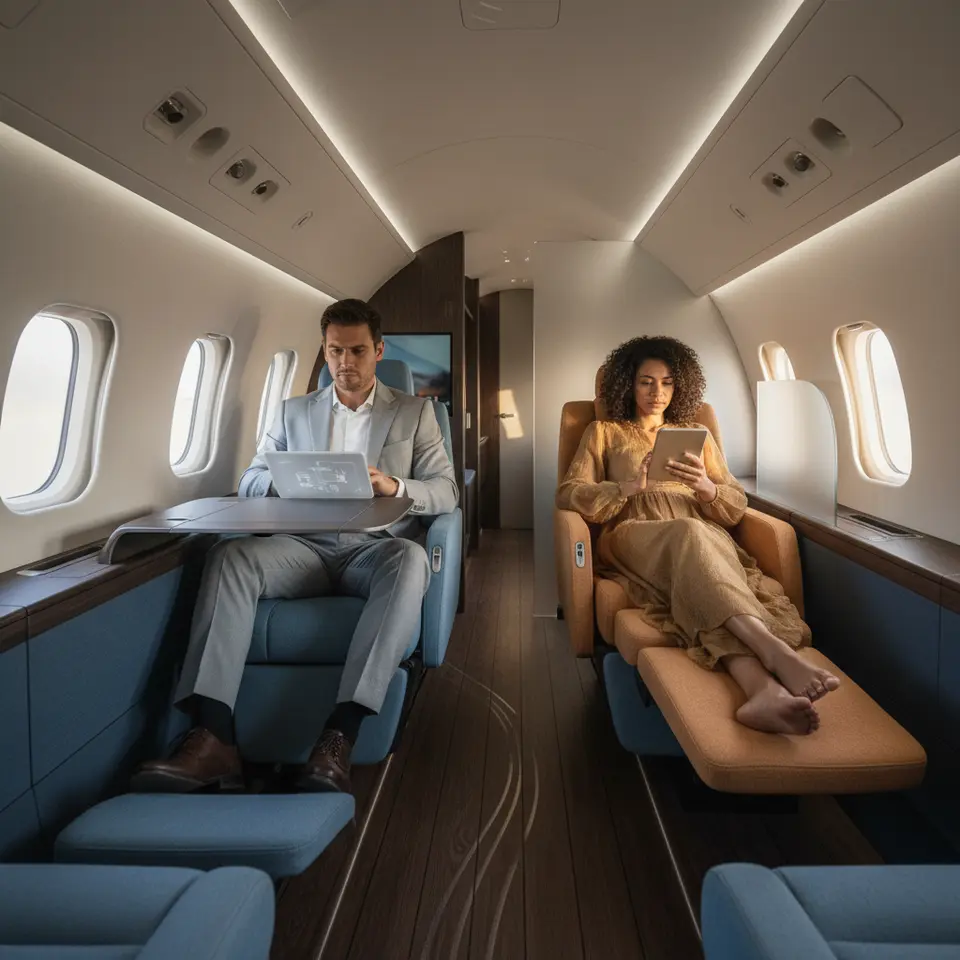
Long gone are the days of passive in-flight service; today’s ultra-luxury travelers expect a health-focused journey that proactively counters the physical stresses of high-altitude travel. AI-Driven Luxury Jets integrate biometric wellness suites into seats, headrests, and privacy pods. Contactless sensors monitor heart rate variability, blood oxygen saturation, and stress indicators in real time. These metrics feed into AI-driven health models that recommend guided breathing exercises, in-seat yoga stretches, or targeted hydration alerts—all delivered through intuitive cabin interfaces or voice assistants.
For guests managing chronic conditions such as diabetes, some cabins now offer needle-free glucose monitoring systems. This technology uses infrared spectroscopy to estimate glucose levels noninvasively, with AI evaluating trends and providing gentle reminders for diet adjustments or medication as needed. Other innovations include AI-calibrated aromatherapy diffusers that release mood-enhancing blends—such as lavender for relaxation or citrus for mental clarity—based on biometric readings and flight schedules.
Humidity control is another vital component. High altitudes often lead to dry cabin air, aggravating dehydration and skin discomfort. AI systems incorporate real-time humidity data to modulate misting features or activate localized air revitalizers. According to studies supported by NASA’s human factors research (https://www.nasa.gov), maintaining cabin humidity between 30–40 percent significantly reduces passenger fatigue and jet lag. By combining environmental controls with personalized wellness protocols, AI-Driven Luxury Jets transform each journey into a holistic health experience, ensuring travelers arrive refreshed and ready to perform at their peak.
Ergonomics and Cognitive Performance
Comfort directly influences cognitive endurance. When the body experiences physical stress, the brain redirects energy away from learning and toward pain management. The seating designs utilized in premium aviation prioritize posture support, pressure distribution, and long-term comfort.
Implementing ergonomic study stations modeled after high-end aviation seating ensures that students remain physically comfortable, thereby extending their attention spans. These environments support dynamic movement and tailored lumbar support, allowing learners to remain completely immersed in their studies.
Comparison Table: Traditional Classrooms vs. Aviation-Inspired Learning Spaces
|
Feature |
Traditional Classroom |
Aviation-Inspired Learning Space |
|---|---|---|
|
Acoustic Control |
Hard surfaces, high reverberation |
Sound-absorbing materials, active noise cancellation |
|
Seating |
Rigid, uniform sizing |
Ergonomic, adjustable, pressure-relieving |
|
Lighting |
Fluorescent, static |
Dynamic circadian rhythm lighting |
|
Distractions |
High visual and auditory clutter |
Minimalist, focused, enclosed pods available |
|
Air Quality |
Standard HVAC circulation |
HEPA-filtered, purified, oxygen-optimized |
Common Mistakes to Avoid When Designing Focused Environments
When attempting to recreate the tranquility of luxury jets within an educational framework, institutions frequently make critical errors that undermine their goals.
- Prioritizing Aesthetics Over Functionality: Selecting sleek furniture that lacks proper lumbar support actively harms student posture and focus.
- Ignoring Air Quality: High-end aviation prioritizes air purification. Neglecting proper ventilation in classrooms leads to elevated carbon dioxide levels, which causes drowsiness and reduces cognitive function.
- Over-Isolating Students: While reducing noise is essential, creating completely silent, isolated chambers can cause sensory deprivation. A balanced acoustic environment is key.
- Static Lighting Systems: Failing to adapt lighting to the time of day disrupts students’ natural energy levels.
Pro Tips for Integrating Aviation-Grade Calm into Education
If you want to harness the benefits of premium travel environments for educational purposes, strategic implementation is vital.
- Install Adaptive Lighting: Utilize smart LED systems that shift from cool blue light in the morning (to stimulate alertness) to warmer tones in the afternoon (to reduce eye strain).
- Incorporate White Noise: If architectural soundproofing is not feasible, use ambient soundscapes to mask distracting background noises effectively.
- Optimize Spatial Flow: Arrange desks to minimize visual distractions, much like the private suites in premium aviation cabins.
- Invest in Air Purification: Use HEPA filters to ensure crisp, clean air, simulating the meticulously managed climate control of high-altitude travel.
For further insights into creating optimal learning spaces, consult the Edutopia guidelines on inclusive environments.
Adopting the tranquil design principles of luxury jets can fundamentally revolutionize how we approach learning. By prioritizing ergonomic comfort, air quality, and acoustic perfection, educators unlock unparalleled student potential. Start integrating these advanced environmental strategies today to build a focused, distraction-free educational future. Click here to transform your classroom design.
Seamless Entertainment and Productivity Ecosystems
Elite executives and high-profile clients demand fluid transitions between work and leisure, and AI-Driven Luxury Jets deliver through intelligent entertainment and productivity suites. Natural language processing engines allow passengers to issue complex requests—such as “Show me last quarter’s financial performance and forecast potential revenue streams”—via voice or gesture. Adaptive video walls can morph from immersive virtual office backdrops for secure video conferences to premium cinema theaters complete with spatial audio.
Connectivity is pivotal. AI-enabled network management continuously evaluates available bandwidth—switching among satellite constellations, 5G hotspots, and ground-based links—to guarantee ultra-low latency connections for mission-critical calls. When appropriate, the system prioritizes encrypted data channels to safeguard corporate information. A dedicated AI firewall monitors traffic patterns, identifying anomalies and dynamically reinforcing security protocols.
On the leisure side, AI-Driven Luxury Jets learn viewing preferences over time, curating personalized playlists of films, documentaries, and audiobooks. Integration with leading streaming platforms ensures that guests can resume their favorite series seamlessly. Interactive interfaces enable multi-user experiences, where the cabin can split into distinct zones—each offering tailored content and control options. Through continuous learning, the onboard AI refines its recommendations, ensuring that every moment in the sky aligns with passenger tastes.
Sustainable Operations and Green Material Innovations
In today’s eco-conscious climate, luxury cannot ignore environmental responsibility. AI-Driven Luxury Jets employ advanced flight planning systems that analyze real-time weather, wind patterns, and air traffic data to identify the most fuel-efficient routes. Algorithms optimize altitude and speed to exploit favorable jet streams, potentially reducing fuel burn by up to 15 percent. When combined with sustainable aviation fuels (SAFs), lifecycle emissions can drop dramatically.
Material science plays a critical role as well. AI-powered selection tools evaluate thousands of composite and bio-resin formulations to identify panels and fixtures that are both lightweight and highly durable. From vegan leather seating to recycled-carbon fiber surfaces, cabins maintain a premium aesthetic while meeting rigorous Environmental, Social, and Governance (ESG) standards. Research from the Federal Aviation Administration (https://www.faa.gov) indicates that adopting SAF blends and optimized routing could slash private jet emissions by as much as 50 percent in the coming decade—an encouraging outlook for operators and clients alike.
Moreover, predictive maintenance systems use AI to monitor engine performance, hydraulic systems, and structural integrity. By analyzing sensor data, the system forecasts potential component wear or system anomalies before they arise, scheduling maintenance at ideal intervals and reducing unplanned downtime. This combination of greener operations and smart stewardship underscores how AI-Driven Luxury Jets are setting a new benchmark for sustainable elite travel.
Integrated Connectivity and Autonomous Horizons
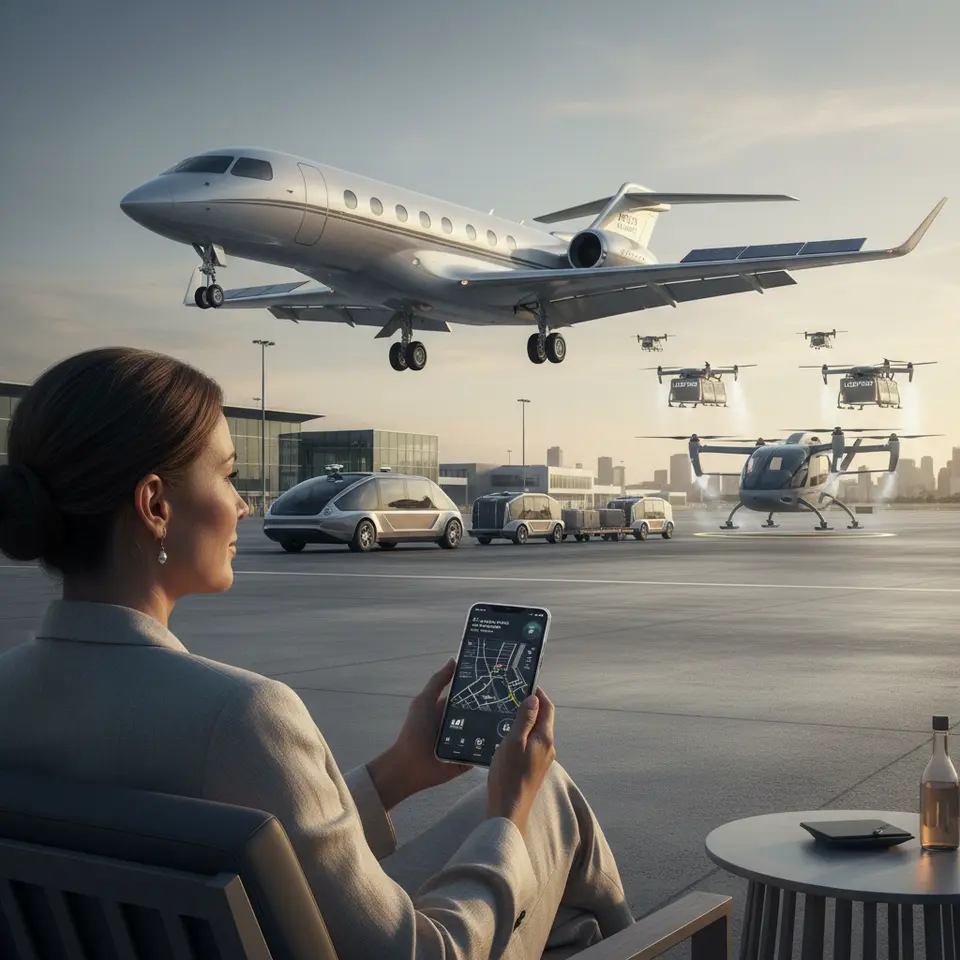
True luxury extends beyond the aircraft itself. AI-Driven Luxury Jets sync seamlessly with ground and maritime ecosystems through secure cloud APIs. As the jet approaches its destination, weather, traffic, and passenger preferences converge to pre-adjust smart home systems, summon electric ground transportation, and finalize hotel check-ins. Luggage tracking modules ensure that bespoke wardrobes and essential equipment arrive precisely when and where guests require them.
This level of continuity is powered by machine learning models that analyze past itineraries and lifestyle choices. Whether it’s selecting a preferred spa treatment or reserving a private dining experience, the AI operates as a 24/7 concierge service that spans sky and ground. Loyalty programs become hyper-personalized, with rewards tailored to each traveler’s unique interests and travel frequency.
Looking further ahead, autonomous flight capabilities are entering private aviation today. Pilot-assist modules and autoland systems, underpinned by advanced vision and LiDAR sensors, reduce workload and enhance safety. Imagine an AI co-pilot executing precision landings in challenging conditions, while passengers relax in a private capsule. Early trials indicate that vertical takeoff and landing (VTOL) jets with electric propulsion may soon enable intercity hops without the need for traditional runways, dramatically shrinking travel times.
Regulatory agencies and research centers, including NASA and MIT, are collaborating on air traffic orchestration platforms that coordinate autonomous and piloted flights within shared corridors. The convergence of zero-emission propulsion, dynamic route planning, and AI-driven traffic management heralds an era when door-to-door journeys could become entirely automated—while still preserving the bespoke service standards synonymous with elite air travel.
Conclusion
As AI-Driven Luxury Jets continue to advance across every dimension—from adaptive cabin environments and biometric wellness to intelligent networking, sustainable practices, and autonomous capabilities—the definition of luxury air travel is evolving rapidly. No longer confined to opulent décor and exclusive routes, today’s elite passengers expect an ecosystem that learns and anticipates every need, reduces environmental impact, and extends personalized service from departure lounge to final destination. In this year (2026), AI stands at the core of this transformation, ensuring that private aviation not only meets the highest standards of comfort and security but also paves the way for a truly intelligent, sustainable future in the skies.
Frequently Asked Questions
1. How exactly do luxury jets improve student focus?
They provide a perfectly controlled, distraction-free environment. By eliminating the stress, noise, and crowds of commercial travel, students experience lower cortisol levels, allowing their brains to remain calm and highly receptive to complex academic material.
2. Aren’t luxury jets too expensive for educational programs?
While the upfront cost is high, many elite institutions fund these programs through corporate partnerships, specialized endowments, and by bundling the travel costs into premium executive education or global MBA tuitions where the ROI justifies the expense.
3. Can regular classrooms replicate this level of calm?
To an extent, yes. Traditional classrooms can learn from aviation design by improving acoustics, upgrading ergonomic seating, and strictly limiting digital distractions to create a similarly focused, low-stress micro-environment.
4. What role does cabin altitude play in cognitive function?
Modern luxury jets are designed to maintain a lower cabin altitude (meaning higher air pressure) than commercial planes. This increases oxygen saturation in the blood, reducing fatigue and keeping the brain alert and ready for learning.
5. How do teachers manage a lesson plan on an aircraft?
Educators treat the aircraft as an airborne seminar room. They utilize onboard technology for presentations, configure club seating for group discussions, and designate specific quiet hours for deep reading and individual reflection.
6. Is it environmentally responsible to use luxury jets for education?
Sustainability is a major concern. Responsible programs offset their carbon footprint, invest in Sustainable Aviation Fuel (SAF), and incorporate the ethics of global travel and environmental impact directly into the academic curriculum.
7. How does this impact experiential learning?
It removes the “dead time” of travel. Students can reflect on a site visit immediately in a focused environment, synthesizing their experiences while en route to the next global destination, which solidifies memory retention.
8. What kind of technology is available for learning on these flights?
These aircraft feature high-speed secure satellite internet, high-definition video conferencing capabilities, interactive monitors, and secure local servers, allowing them to function as fully equipped flying smart-classrooms.
9. Do students actually prefer learning in this environment?
Yes. The physical comfort, reduced travel anxiety, and exclusive atmosphere make students feel valued. This psychological boost often results in higher engagement, better participation, and a stronger commitment to the coursework.
10. What is the first step an institution should take to implement this?
Institutions should begin by identifying a specific, high-value program (like a global capstone project) and consulting with educational travel logistics experts and private aviation charter companies to assess feasibility and design a customized itinerary.



Leave a Reply