

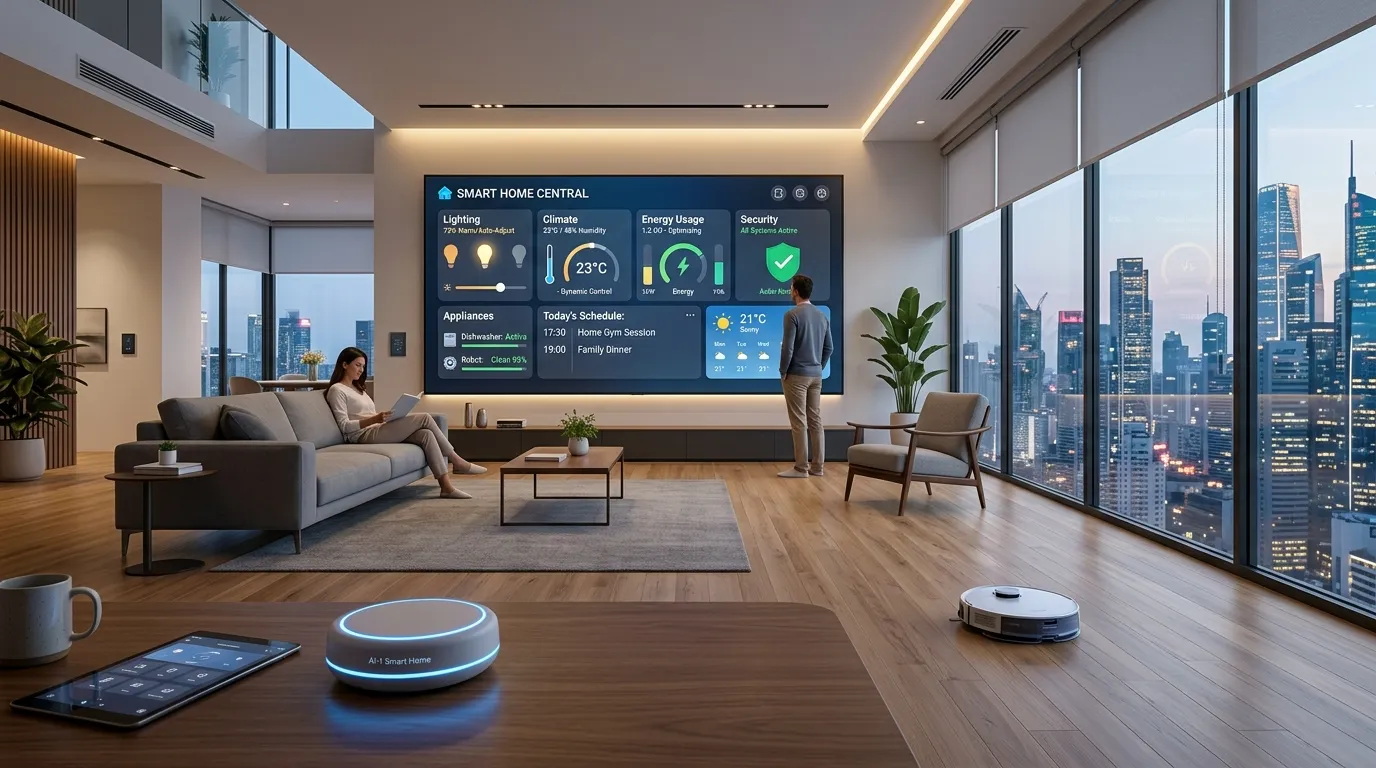
Explore how AI smart home future trends revolutionize education by creating environments designed for profound calm, deep focus, and highly optimized student learning experiences.
This comprehensive guide breaks down the powerful intersection between advanced home automation and educational psychology. You will discover practical strategies to manipulate environmental factors using artificial intelligence, ultimately reducing cognitive fatigue and drastically improving long-term academic focus for learners of all ages.
Understanding AI smart home future trends in Education
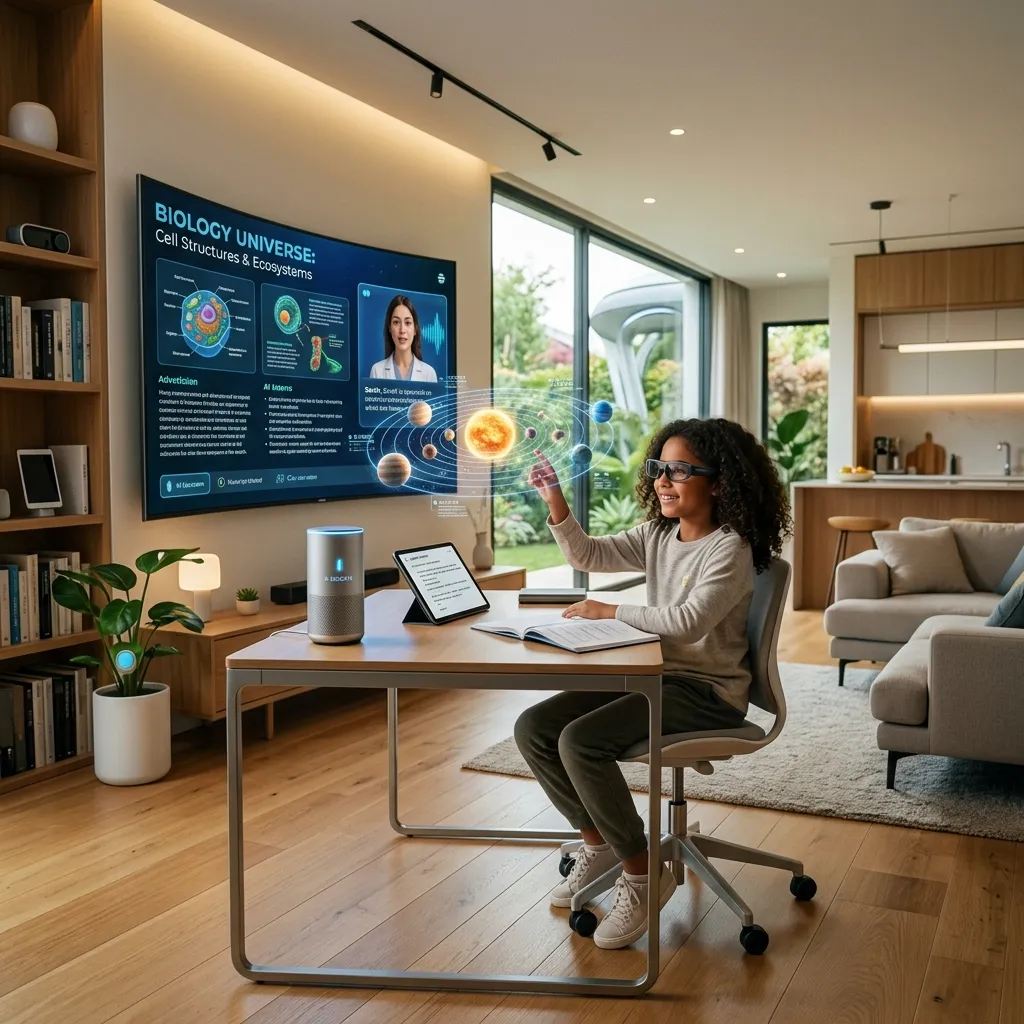
The physical environment dictates cognitive performance. A noisy, poorly lit room drains mental energy, making complex learning nearly impossible. As we examine AI smart home future trends, we see a clear shift away from simple convenience and toward cognitive optimization. Artificial intelligence now analyzes environmental data in real time, adjusting variables like light, temperature, and sound to match the specific needs of a student.
By anticipating a learner’s biological rhythms, AI smart home future trends remove environmental friction. A student no longer needs to break their concentration to adjust a thermostat or dim a glaring light. The home simply adapts. This seamless environmental regulation is the cornerstone of fostering calm and focus in remote or hybrid educational settings.
The Science of Environmental Psychology
Environmental psychology proves that humans react subconsciously to their surroundings. Harsh fluorescent lighting increases cortisol, the stress hormone. Conversely, AI smart home future trends utilize dynamic lighting systems that mimic the natural progression of the sun. This supports the circadian rhythm, keeping the brain alert during the day and promoting restful sleep at night.
To achieve this level of optimization, deep smart home integration is necessary. When your lighting system communicates directly with your scheduling software, the house knows exactly when to initiate a high-focus lighting protocol for a math exam, and when to transition to a warmer, softer glow for evening reading.
How AI smart home future trends Eliminate Distractions
Distraction is the absolute enemy of education. Every time a student loses focus, it takes an average of twenty-three minutes to regain deep concentration. The most profound application of AI smart home future trends lies in their ability to proactively eliminate these micro-distractions.
Acoustic Control and Noise Mitigation
Sound profoundly impacts focus. Sudden noises trigger the brain’s threat response, instantly breaking concentration. Modern AI smart home future trends include advanced acoustic mapping. Smart speakers and integrated sound systems monitor ambient noise levels. If a lawnmower starts outside, the AI instantly generates opposing sound waves or soothing white noise to cancel out the disruption.
This acoustic management helps students remain deeply immersed in their studies. They experience a profound sense of calm, insulated from the chaotic auditory environment of a typical busy household.
The Role of automated home security
Safety is a fundamental prerequisite for learning. If the brain feels insecure, it allocates resources to vigilance rather than absorbing new information. This is where automated home security becomes an educational tool. When a home automatically locks doors, monitors perimeters, and filters visitors, it drastically reduces the cognitive load on both the student and the parent. The subconscious mind rests, knowing the AI is handling the physical safety of the environment, freeing up immense mental bandwidth for education.
AI smart home future trends: Temperature and Cognitive Output
Research clearly shows that temperature directly affects test scores. Rooms that are too hot make students lethargic, while cold rooms cause distraction and physical discomfort. The latest AI smart home future trends feature predictive climate control.
These smart thermostats do not just maintain a static temperature. They learn a student’s preferences, track the weather, and even monitor the number of people in the room to adjust the HVAC system dynamically. If a student is taking a rigorous online exam, the system can drop the temperature slightly to promote alertness, perfectly demonstrating how AI smart home future trends directly support educational outcomes.
Comparing Environments: Traditional vs. AI-Optimized
To fully grasp the impact of these technologies, we must look at how an AI-optimized space compares to a standard study environment.
|
Feature |
Traditional Study Space |
AI smart home future trends |
Impact on Education |
|---|---|---|---|
|
Lighting |
Static, often harsh |
Dynamic, circadian-aligned |
Reduces eye strain and stabilizes energy. |
|
Temperature |
Manually adjusted |
Predictive, biometrically tied |
Prevents thermal discomfort and lethargy. |
|
Acoustics |
Uncontrolled |
Active noise cancellation |
Eliminates distractions and fosters deep focus. |
|
Air Quality |
Unmonitored |
Automated HEPA filtration |
Increases oxygen flow, boosting brain function. |
|
Security |
Manual locks |
AI-monitored perimeters |
Lowers anxiety, improving cognitive bandwidth. |
This comparison clearly shows why AI smart home future trends are not just luxury additions, but essential tools for maximizing academic potential.
Common Mistakes to Avoid When Integrating AI
While AI smart home future trends offer massive benefits, improper implementation can actually hinder education.
- Over-Complicating the Interface: If a student has to navigate three different apps just to turn on a desk lamp, the technology becomes a distraction. Ensure all systems are controlled by a single, intuitive voice assistant.
- Ignoring Privacy: Educational spaces require privacy. Using cameras in a study area can induce anxiety. Rely on motion sensors and thermal mapping instead of visual recording.
- Poor Network Infrastructure: AI smart home future trends rely entirely on robust internet connections. A weak router will cause devices to lag, creating intense frustration that ruins focus.
- Forgetting Manual Overrides: Sometimes technology fails. Always ensure there is a simple physical switch for lights and temperature so learning never stops due to a software glitch.
Pro Tips for Maximizing AI smart home future trends
To truly harness these systems for education, apply these advanced strategies:
- Automate Study Blocks: Program your AI to initiate “Study Mode” at a specific time every day. The lights cool down, white noise begins, and the internet router automatically blocks access to social media on the student’s devices.
- Use Biometric Feedback: Integrate wearable technology with your smart home. If a smartwatch detects a rising heart rate indicating stress, the AI can automatically dim the lights and play calming music to prevent a panic attack.
- Optimize Air Quality: Connect an AI air quality monitor to your HVAC system. When CO2 levels rise in a closed study room, the system automatically pulls in fresh air, preventing the drowsiness that ruins afternoon study sessions.
- Leverage Routine Stacking: Use the AI to build habits. When the morning alarm goes off, the blinds open slowly, and the smart speaker reads a motivational quote, starting the educational day with profound calm.
Exploring the Evolution of AI smart home future trends
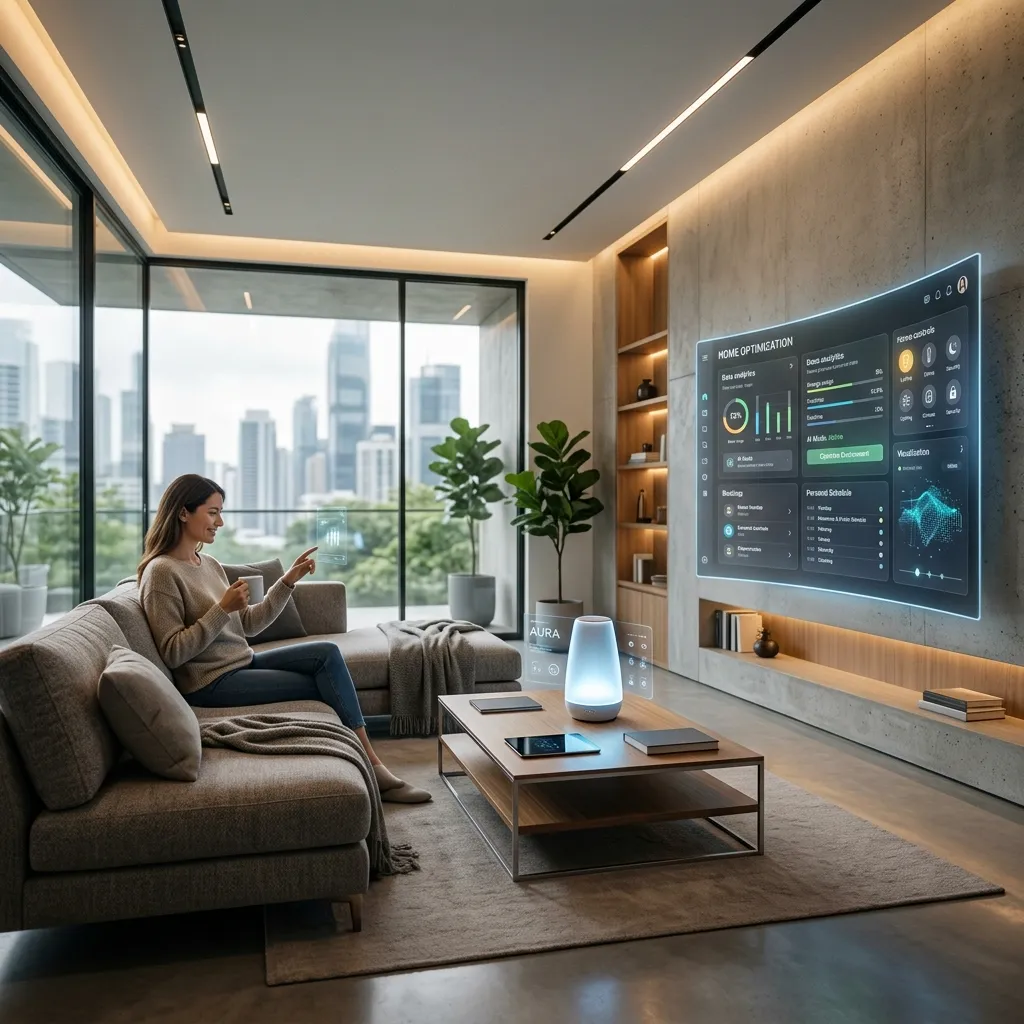
The technologies available today are only the beginning. As we look at the evolution of AI smart home future trends, we see a rapid shift toward ambient computing. The technology will become entirely invisible, woven directly into the architecture of the house. You will not need to ask an assistant to change the environment; the house will simply know what you need based on microscopic behavioral cues.
This invisible intelligence will completely revolutionize hybrid education. A home will recognize when a student sits down with a textbook versus a video game controller, instantly altering the atmospheric conditions to support the specific activity. By tracking these AI smart home future trends, educators and parents can continuously adapt their physical spaces to provide the absolute best foundation for cognitive development.
The Psychological Benefits of Automated Environments
Understanding AI smart home future trends requires acknowledging the psychological relief they provide. Decision fatigue is a real phenomenon. Every small choice a student makes—from adjusting a blind to checking if the front door is locked—depletes their limited reservoir of daily willpower. Automating these mundane tasks preserves willpower for complex problem-solving and creative thinking.
When a home operates autonomously, it acts as a silent partner in the educational journey. This is why AI smart home future trends are so vital for students with ADHD or sensory processing disorders. By removing unpredictable environmental variables, the AI creates a safe, highly controlled sanctuary where these students can finally experience true calm.
Advanced Analytics and Educational Performance
Another massive component of AI smart home future trends is the data generated by these systems. Smart homes collect millions of data points regarding how a space is utilized. While privacy must always be the top priority, analyzing anonymized environmental data can reveal incredible insights into how students learn best.
For instance, the AI might reveal that a student’s reading comprehension drastically improves when the ambient temperature is exactly 68 degrees and the lighting is set to a 4000K color temperature. Parents and educators can use these AI smart home future trends to create highly personalized, scientifically backed study protocols that guarantee maximum focus.
The most authoritative institutions studying environmental design, such as the Well Building Standard, continuously highlight how air quality, light, and thermal comfort directly impact human performance. Adopting AI smart home future trends brings these commercial-grade building standards directly into the residential study space.
Integrating Artificial Intelligence into the Curriculum
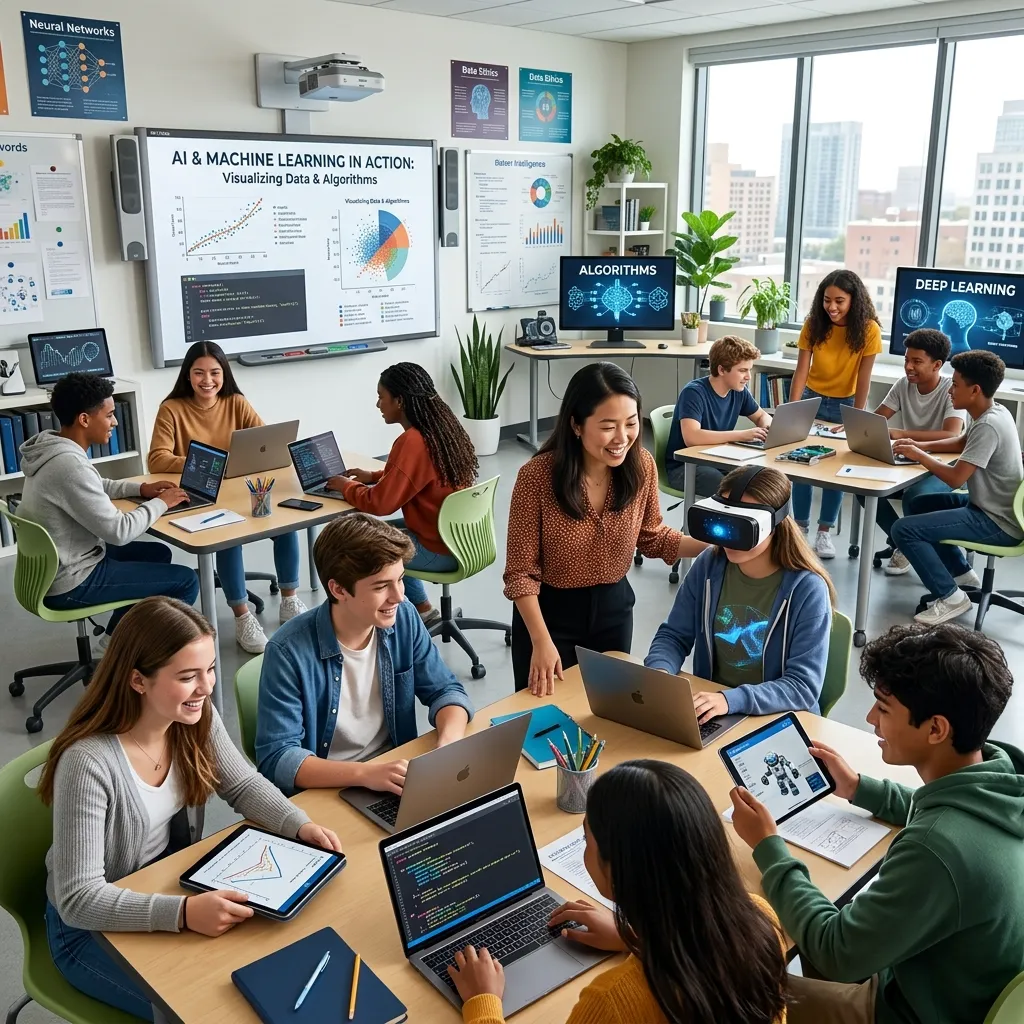
Beyond managing the environment, AI smart home future trends can also integrate directly with the educational curriculum. Smart displays can automatically project vocabulary words or historical dates on a loop when the student is taking a break. The AI can remind the student to hydrate or stretch, utilizing the Pomodoro technique to ensure they do not burn out during long study sessions.
As these AI smart home future trends continue to evolve, the physical house becomes an active participant in the learning process. It bridges the gap between the digital classroom and the physical world, creating a holistic ecosystem dedicated entirely to student success.
Overcoming the Implementation Barrier
Many parents hesitate to adopt AI smart home future trends due to perceived costs or technical complexity. However, you do not need to retrofit a house completely to see educational benefits. Start small. A single smart bulb and a basic smart speaker can simulate a sunrise, provide white noise, and block distracting websites.
By gradually implementing AI smart home future trends, you can test what works best for your specific learner. The return on investment is not just measured in convenience, but in higher grades, lower anxiety, and a genuine love for learning that blossoms when a student feels perfectly supported by their environment.
Conclusion
Embracing AI smart home future trends completely transforms education by replacing chaotic environments with spaces engineered for deep calm. By optimizing lighting, sound, and temperature, you actively protect cognitive focus and support long-term academic success. Upgrade your study environment today and experience the incredible benefits firsthand. Subscribe to our newsletter for more insights!
Frequently Asked Questions
1. What are AI smart home future trends?
AI smart home future trends refer to the advanced integration of artificial intelligence into residential automation systems. These trends focus on predictive environments, where the home automatically adjusts lighting, temperature, and acoustics to optimize human performance and well-being without requiring manual input.
2. How do these technologies improve student focus?
By actively eliminating environmental distractions, these technologies protect a student’s attention. Dynamic lighting prevents eye fatigue, automated climate control keeps the brain alert, and active noise cancellation blocks out sudden disruptions, allowing the student to maintain a state of deep, uninterrupted focus.
3. Can smart lighting really affect my child’s learning?
Yes. Harsh lighting causes stress, while poor lighting causes lethargy. Smart lighting systems mimic the natural progression of sunlight, regulating the circadian rhythm. This biological alignment keeps the brain naturally alert during study hours and promotes the restful sleep necessary for memory consolidation.
4. What role does noise cancellation play in a smart home?
Acoustic control is vital for a calm environment. Smart homes can use strategically placed speakers to emit white noise or opposing sound waves that neutralize disruptive background noises, such as traffic or loud conversations, creating a perfectly quiet sanctuary for reading and complex problem-solving.
5. Are there privacy concerns with AI in study spaces?
Privacy is a valid concern. To protect a student, avoid using indoor cameras in study areas. Instead, rely on motion detectors, thermal sensors, and door contacts to automate the environment. Always secure your network with strong passwords and ensure your AI devices do not record audio without explicit permission.
6. How does automated security reduce a student’s stress?
When a home automatically manages its own security—locking doors and monitoring perimeters—it completely removes a layer of subconscious anxiety. The student feels entirely safe, which lowers their cortisol levels and frees up cognitive bandwidth that can be fully dedicated to their educational materials.
7. What is routine stacking in a smart home?
Routine stacking is a feature where multiple automated actions happen simultaneously based on a single trigger. For example, triggering a “Study Time” routine might instantly lower the blinds, drop the thermostat by two degrees, turn on a desk lamp, and play ambient focus music, instantly setting a calm mood.
8. How do I start implementing these trends on a budget?
You do not need a massive budget to begin. Start with the elements that impact focus the most: a smart LED bulb for the desk lamp to control color temperature, and a basic smart speaker to provide white noise and set study timers.
9. Can AI really monitor and improve indoor air quality?
Yes. Smart air quality monitors detect rising levels of carbon dioxide, VOCs, and particulate matter. High CO2 levels cause severe brain fog. The AI can automatically trigger an HVAC fan or an air purifier to cycle fresh air into the room, immediately restoring the student’s cognitive clarity.
10. Do these technologies help students with ADHD?
Absolutely. Students with ADHD or sensory processing challenges often struggle to filter out environmental stimuli. A smart home provides a highly predictable, easily controlled environment that actively minimizes sensory overload, creating a calm atmosphere that drastically improves their ability to concentrate on educational tasks.



Leave a Reply