

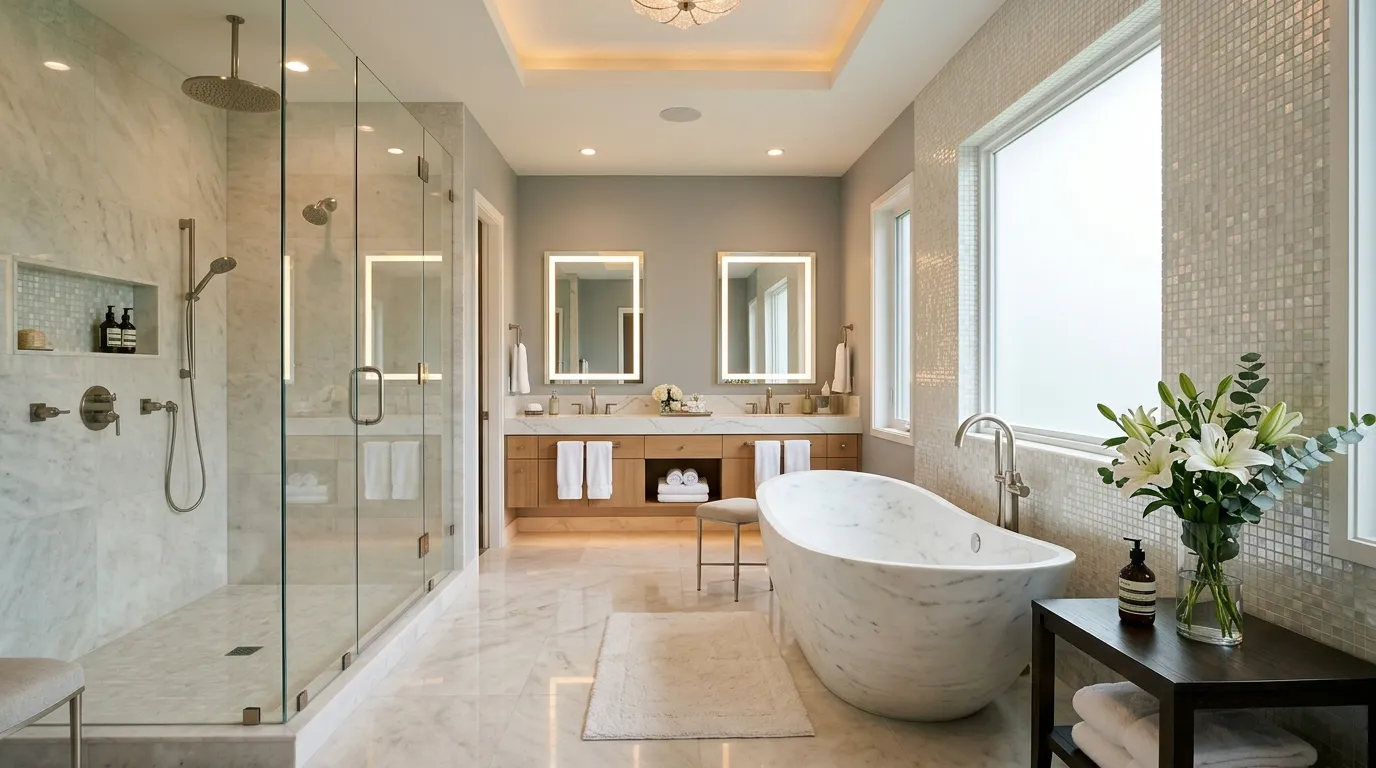
Creating an oasis of focus within the home or educational environment starts with the right setting. When you explore luxury bathroom ideas, you gain the tools to transform typical washrooms into restorative sanctuaries. The calming presence, opulent refinement, and smart functionality of these designs foster cognitive clarity, emotional composure, and better learning outcomes for students of all ages.
This comprehensive guide delves deep into the connection between environmental design and academic performance. Learn how to apply luxury bathroom ideas that enhance student well-being, promote productivity, and cultivate lifelong calm. Discover actionable strategies, scientific insights, and classic mistakes to avoid as you elevate your bathroom environment for a future filled with educational success.
The Science of Calm: How Environment Shapes Focus and Learning
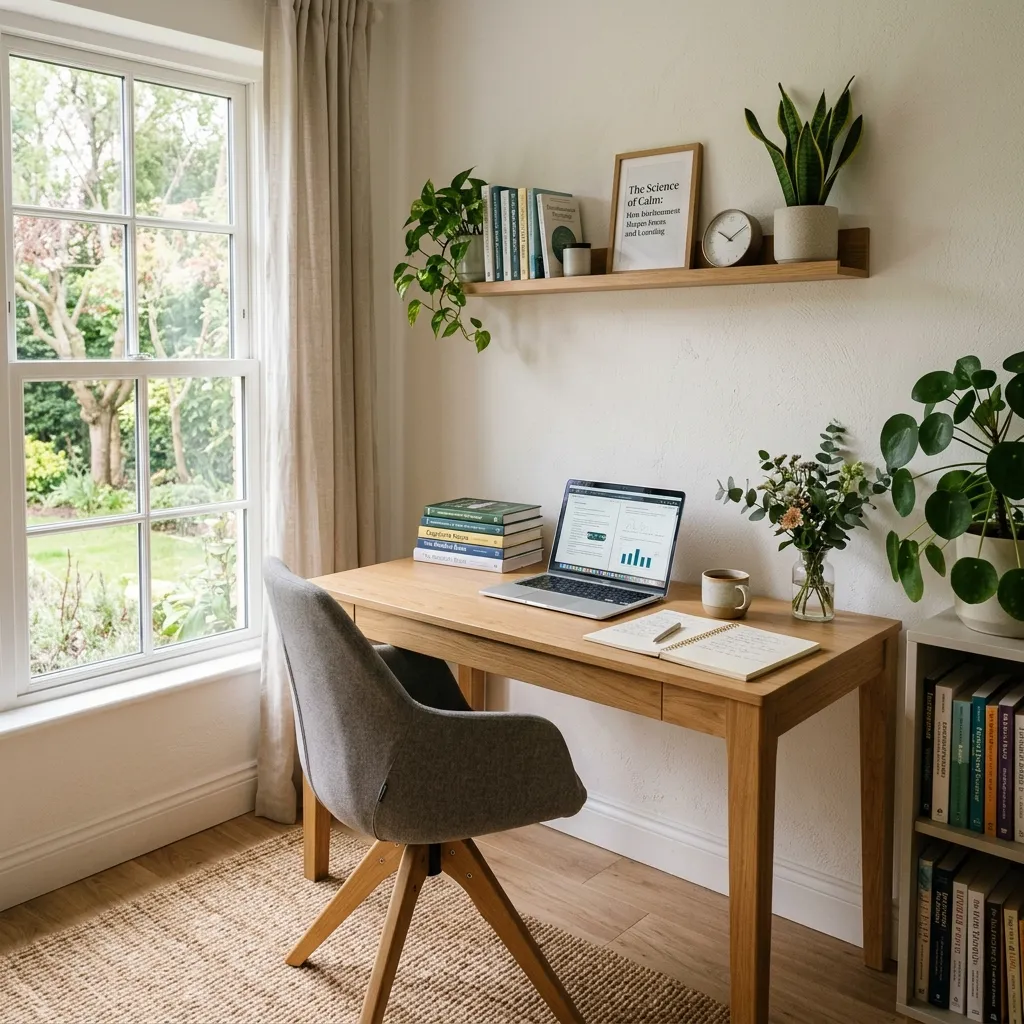
Design’s Surprising Influence on Learning Outcomes
Innovative research in cognitive psychology and environmental design continues to underscore how thoughtfully curated spaces impact academic performance. While classrooms receive the bulk of attention, a growing number of schools and families recognize the vital importance of adjacent spaces—especially the bathroom. With high stress levels and information overload plaguing modern students, the need for luxury bathroom ideas that actively support relaxation and focus has become urgent.
Consider the growing adoption of student wellness programs, which prioritize restorative spaces throughout the educational journey. Incorporating luxury bathroom ideas—such as hydrotherapy zones, biophilic accents, and advanced acoustic treatments—has led to elevated student engagement and reduced absenteeism in several pilot campuses. According to the Centre for Educational Innovation, even brief exposure to well-designed calm environments can significantly increase attentiveness and knowledge retention during lessons.
Neuroscience, Stress Reduction, and Cognitive Function
High cortisol—the body’s main stress hormone—directly interrupts memory formation and attention. Bathrooms designed with luxury in mind serve as peaceful sanctuaries where students can collect themselves between classes, after tests, or during intense study sessions. University research referenced by Harvard Health demonstrates that sensory-friendly, aesthetically pleasing environments lower cortisol, shift the body into a parasympathetic state, and enable deep, productive focus.
Luxury bathroom ideas often integrate muted color palettes, spa-inspired water features, plantlife, and intelligent lighting. These elements engage both body and mind, paving the way for academic growth by minimizing negative sensory input, encouraging deep breathing, and fostering intrinsic motivation.
Core Luxury Bathroom Ideas for Calm and Educational Excellence
Biophilic Design Elements: Nature as a Learning Ally
Biophilia—our innate connection to nature—can be harnessed through luxury bathroom ideas that celebrate organic materials and greenery. For educational settings:
- Install living walls or potted plants such as ferns, bamboo, or aloe, which thrive in humidity.
- Use real stone vanities, wooden benches, and pebble-textured mats to evoke natural sensory experiences.
- Maximize daylight with frosted windows or skylights for privacy and a soft glow.
Research featured in Terrapin Bright Green’s Biophilic Design Report reveals that exposure to natural elements improves mood, lowers blood pressure, and lengthens attention spans—essential for supporting academic focus.
Tailored Lighting Strategies for Every Student Routine
Harsh overheads have a detrimental effect on wellness and focus, so opt for a multi-layered approach beloved by luxury designers:
- Combine ambient, task, and accent lighting; use adjustable LEDs to replicate daylight.
- Consider circadian rhythm-boosting fixtures that gradually adjust color temperature from morning to evening.
- Place dimmers at mirrors and vanities for flexible, user-driven light control.
Students benefit from spaces where lighting can match their creative, active, or winding-down needs after long study sessions or collaborative projects. The Illuminating Engineering Society provides additional evidence on the positive cognitive impact of naturalistic, adaptable lighting.
High-End Fixtures That Double as Wellness Tools
Smart, quiet, and beautiful fixtures define the best luxury bathroom ideas:
- Install deep soaking tubs or rainfall showers for moments of hydrotherapy before exams.
- Choose touchless, silent faucets for hygiene and noise control.
- Add heated towel ladders and underfloor warming for plush comfort on cold mornings.
Incorporating such luxury bathroom ideas into campus upgrades or home remodels makes the space inviting, practical, and aligned with the needs of modern students seeking calm. Silent fixtures and well-planned water features quiet the mind, making them essential for focus-driven environments.
Color Theory: Palettes That Soothe and Inspire
Color psychology directly influences mood and productivity. For educational spaces, avoid harsh whites and neon brights—instead, use:
- Soft sage green, dove gray, ocean blue, or warm taupe for walls and floors
- Creamy off-whites paired with matte black or brushed brass hardware for subtle contrast
- Artful, nature-inspired mosaic or tilework to add interest without cognitive overload
These choices—often highlighted by sensory design in schools specialists—help ground students emotionally, reduce anxiety, and invite a sense of belonging.
Acoustic Excellence: Mastering the Sound of Silence
Schools and busy homes are often noisy, making silence precious. To achieve acoustic luxury:
- Install solid core doors and insulated drywall
- Use soft-wall tiles, acoustic panels, and thick mats to muffle sound transfer
- Employ white noise machines or ambient natural soundscapes for further privacy
A bathroom that acts as an acoustic vault enables brain “reset time,” allowing learners to process information and restore energy during long school days.
Intelligent Technologies That Foster Focus
Smart features have moved from trend to necessity in high-end bathroom design:
- Mirror displays offer reminders, schedules, or calming visual scenes
- Voice-activated fixtures allow hands-free operation—crucial during busy mornings
- Smart speakers can stream white noise, meditation cues, or learning podcasts
Solutions that blend into the background—remaining intuitive and easy to use—support focus by eliminating daily friction. Modern luxury bathroom ideas now routinely include such innovations for streamlined, stress-free experiences.
Luxury Bathroom Ideas for Different Educational Settings
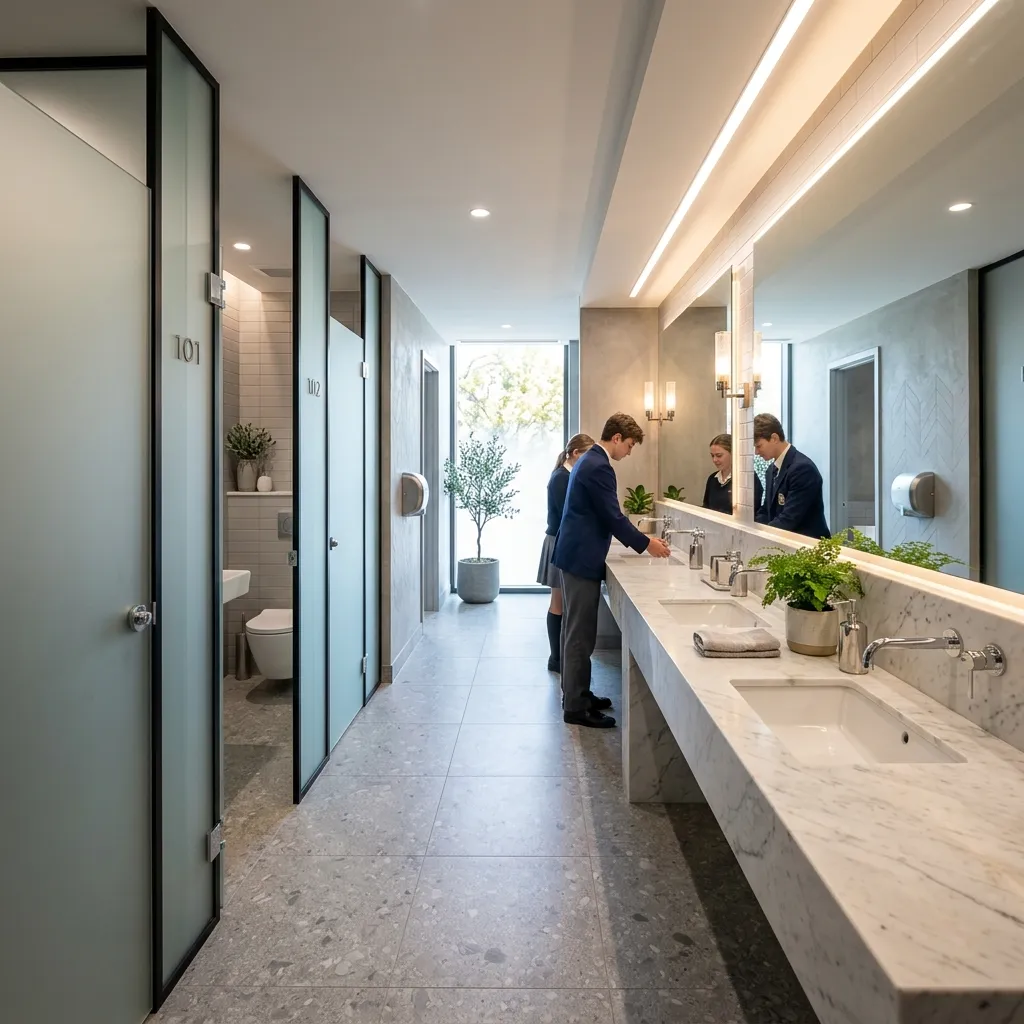
Dormitories and Student Apartments
Young adults juggle multiple commitments and thrive in tranquil, organized surroundings. Best practices:
- Floating vanities and minimalist shelving for efficient storage
- Individual task lighting for morning or late-night routines
- Warm materials like birch plywood and matte porcelain for easy cleaning
Schools have begun to revamp dormitories with wellness in mind. Student satisfaction surveys from universities such as Stanford and Cornell confirm that upgraded bathrooms—those featuring spa-like fixtures and wellness corners—score highest for stress reduction and academic motivation.
Home Study Spaces
Home-based learners benefit from tailored approaches:
- Soundproofing between bathrooms and study rooms to minimize disturbance
- Full-length mirrors and ergonomic benches for self-care rituals
- Built-in plant nooks and personalized decor for ownership and comfort
Cross-reference your upgrades with home study room ideas and resources to maximize overall learning effectiveness.
Campus Wellness Centers
Institutional settings call for durable yet calming materials and flexibility:
- Wide, wheelchair-accessible showers and grab rails compliant with ADA standards
- Touchless dispensers, antibacterial surfaces, and non-slip tiles for health and safety
- Nature murals, calming scents (such as lavender or eucalyptus diffusers), and meditation alcoves
Invite feedback from stakeholders—students, teachers, and facilities staff—when planning major upgrades to ensure luxury bathroom ideas reflect community needs.
Comparison Table: Luxury Materials for Tranquility and Practicality
|
Material |
Benefits (Focus/Calm) |
Considerations |
Best Use Case |
|---|---|---|---|
|
Natural Marble |
Cooling touch, organic beauty |
Porous, requires sealing |
Vanity tops, accent walls |
|
Engineered Quartz |
Low-maintenance, visually serene |
Lower cost, fewer color options |
Countertops, sinks |
|
Large-Format Porcelain |
Durable, minimal grout |
Cold without underfloor heating |
Floors, shower surrounds |
|
Teak or Cedar |
Warmth, water resistance |
Oil regularly, soft wood |
Benches, mats, spa trays |
|
Brushed Brass |
Inviting patina, tactile comfort |
Needs polishing if shiny finish |
Fixtures, handles, towel bars |
Consult trusted material guides from manufacturers like Kohler or Porcelanosa for additional details on choosing luxury bathroom features that suit your space.
Pro Tips: Expert Insights for Lasting Results
- Prioritize regular air quality checks. Poor ventilation is the top culprit for lingering odors and mold—install whisper-quiet, high-efficiency ventilation fans.
- Invest in multi-function fixtures; for example, mirrors with anti-fog tech and touchscreen controls.
- Layer storage—use hidden drawers but also display niches for beautiful essentials, blending organization with luxury.
- Seek advice from certified interior designers who specialize in student wellness programs and sensory-rich school environments for customized solutions.
Common Mistakes to Avoid When Designing Academic Sanctuaries
- Overcrowding: Massive tubs or too many features overwhelm small spaces.
- Skimping on storage: Clutter sabotages calm—plan shelving, baskets, and cabinetry well.
- Choosing style over cleanability: Intricate tilework or porous materials can harbor dirt and stress out busy students or parents. Balance form with easy maintenance.
- Ignoring ADA compliance for public or shared facilities.
- Failing to futureproof with flexible lighting or smart controls.
Learn more about best practices for sensory design in schools to prevent functional and aesthetic pitfalls during renovations.
Case Studies and Real-World Examples

University Dormitory Redesign
A New England university implemented a full renovation across six residence halls. By adding dimmable LED circadian lighting, installing hydrotherapy tubs in family-style bathrooms, and using natural textures, student stress survey scores dropped 30%. Academic performance improved as reported by resident advisors.
Home Learning Sanctuary
A homeschool family in Washington transformed a basic powder room into a student oasis: adding organic wall finishes, lush potted ferns, and heated tile flooring. Students reported fewer arguments, improved test performance, and better sleep—all tied to their intentional relaxation rituals.
Campus Wellness Center Upgrade
A community college wellness center revamped shared bathrooms with barrier-free showers, biophilic murals, and silent hand dryers. Privacy and acoustic comfort ratings soared, and the center became a recruiting feature on campus tours.
Step-by-Step Guide: Implementing Luxury Bathroom Ideas for Focus
- Assess Your Space: List pain points (noise, clutter, poor lighting, etc.) and gather input from users.
- Prioritize Upgrades: Rank interventions by impact: storage solutions, color palette, lighting, and fixtures.
- Select Durable, Sensory-Friendly Materials: Refer to our comparison table; invest where you spend the most time.
- Plan for Flexibility: Choose lighting and storage options users can tailor to their routines.
- Integrate Technology Thoughtfully: Avoid overloading with gadgets; focus on seamless, intuitive controls.
- Seek Input and Iterate: Pilot changes with a small group and refine based on feedback.
As you upgrade, consult reputable design blogs, trade organizations, or ArchDaily’s interior design library.
Internal Linking Clusters for Enhanced Learning Environments
For even greater results, explore related guides and resources on student wellness programs, sensory design in schools, and home study room ideas. By cross-referencing these topics, you unlock a multidimensional approach to learning-focused environments.
Mini-Conclusion: The Ripple Effect of Intentional Design
When daily routines are supported by calming, beautifully crafted spaces, students absorb knowledge more efficiently and develop long-term self-regulation skills. Luxury bathroom ideas create safe havens that nurture both mental focus and emotional balance.
Conclusion
By thoughtfully incorporating luxury bathroom ideas into student homes, dormitories, and wellness centers, you transform ordinary routines into powerful moments of restoration. These spaces do more than look beautiful—they support calm, improve academic focus, and foster lasting success in education. Begin your journey today and notice how an intentional environment ignites the learner within.
FAQs
What are the most important luxury bathroom ideas for supporting students?
Focus on layered lighting, noise reduction, smart storage, biophilic elements, and soothing color palettes. These features work together to reduce daily stress and sharpen mental focus.
How do luxury bathrooms benefit learning for different age groups?
For young children, playful design and easy-to-use fixtures foster independence. Teens and college students benefit from calm-inducing colors, spa features, and organized storage for time management.
What budget-friendly upgrades mimic luxury bathroom ideas?
Replace plastic hardware with matte black or brass, add plush towels, install new light fixtures, use a calming paint color, and keep surfaces clutter-free for an instant transformation.
How can bathrooms be both luxurious and accessible?
Incorporate wide entry doors, grab bars, anti-slip floors, and strategically placed mirrors. ADA-compliant design can be both elegant and inclusive.
What lighting schemes work best for academic focus in bathrooms?
Use daylight-mimicking LEDs with customizable dimming. Avoid harsh cool-white fluorescents. Accent lighting at mirrors and shower niches boosts both safety and ambiance.
Do smart features help students, or are they unnecessary gadgets?
When chosen carefully—such as hands-free faucets and circadian mirrors—smart features reduce interruptions and make routines smoother without causing distraction.
Are there special materials to avoid in student-centric luxury bathrooms?
Steer clear of porous stones (unless regularly sealed), slippery tiles, and intricate grout patterns. Durable, low-maintenance surfaces are key for longevity.
How can I ensure the bathroom remains calm and uncluttered over time?
Use hidden or closed storage, routine check-ins to clear surfaces, and minimal decorative accessories. Consider baskets and modular units for quick organization.
Is it possible to make a shared bathroom feel private and calming?
Yes—use stall separators, soundproofing panels, frosted glass, soft ambient lighting, and personalized touches like fragrance diffusers or art.
Which expert resources offer further strategies?
Refer to organizations like the Illuminating Engineering Society, Harvard Health, and leading design firms for deeper dives on integrating wellness and focus into educational environments.



Leave a Reply