

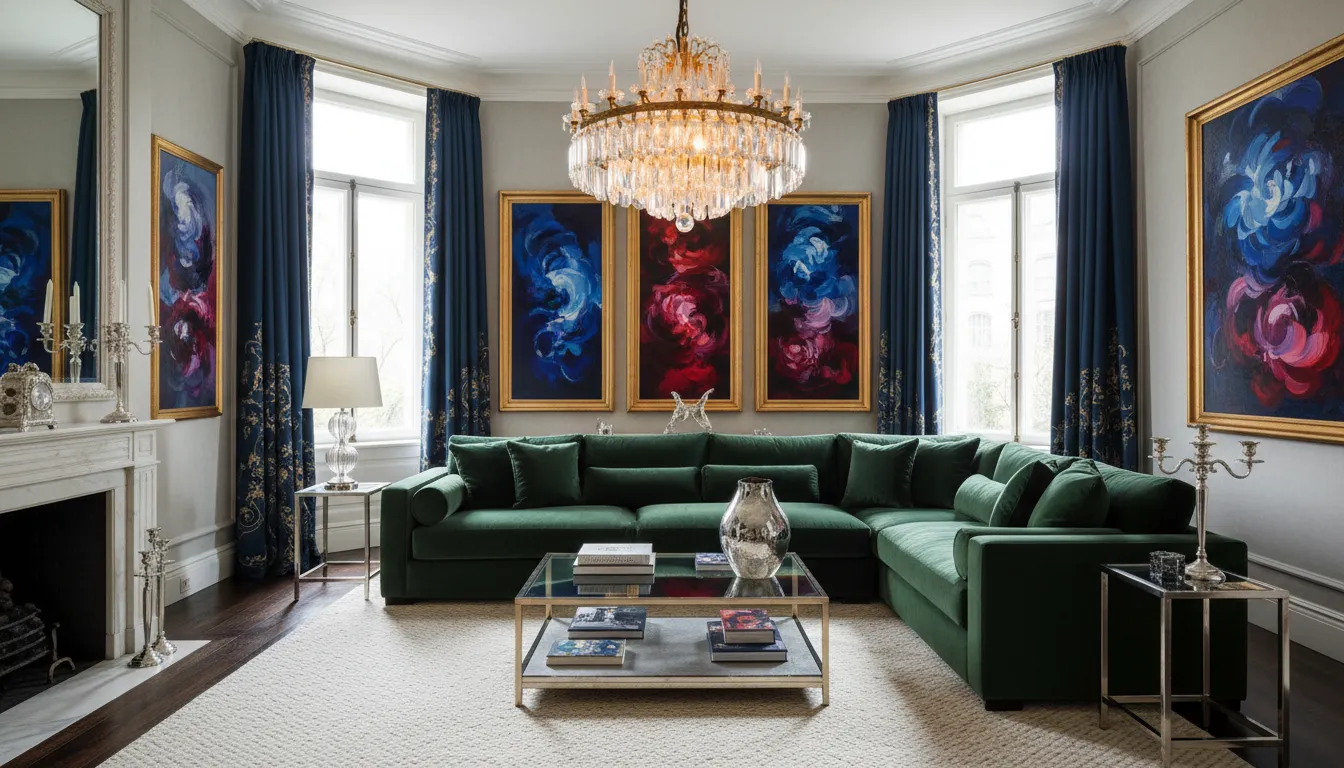
Want to elevate your cognitive capabilities and master deep learning? Exploring the latest luxury living room ideas offers a unique environmental framework that completely transforms how we approach home education through absolute calm.
This comprehensive guide reveals how adopting sophisticated design principles reshapes modern learning. You will learn to harness environmental psychology, improve your mental focus, organize your study materials elegantly, and apply strategic spatial frameworks to build sustainable educational success in high-pressure, home-based academic environments.
The Cognitive Power of Environmental Design
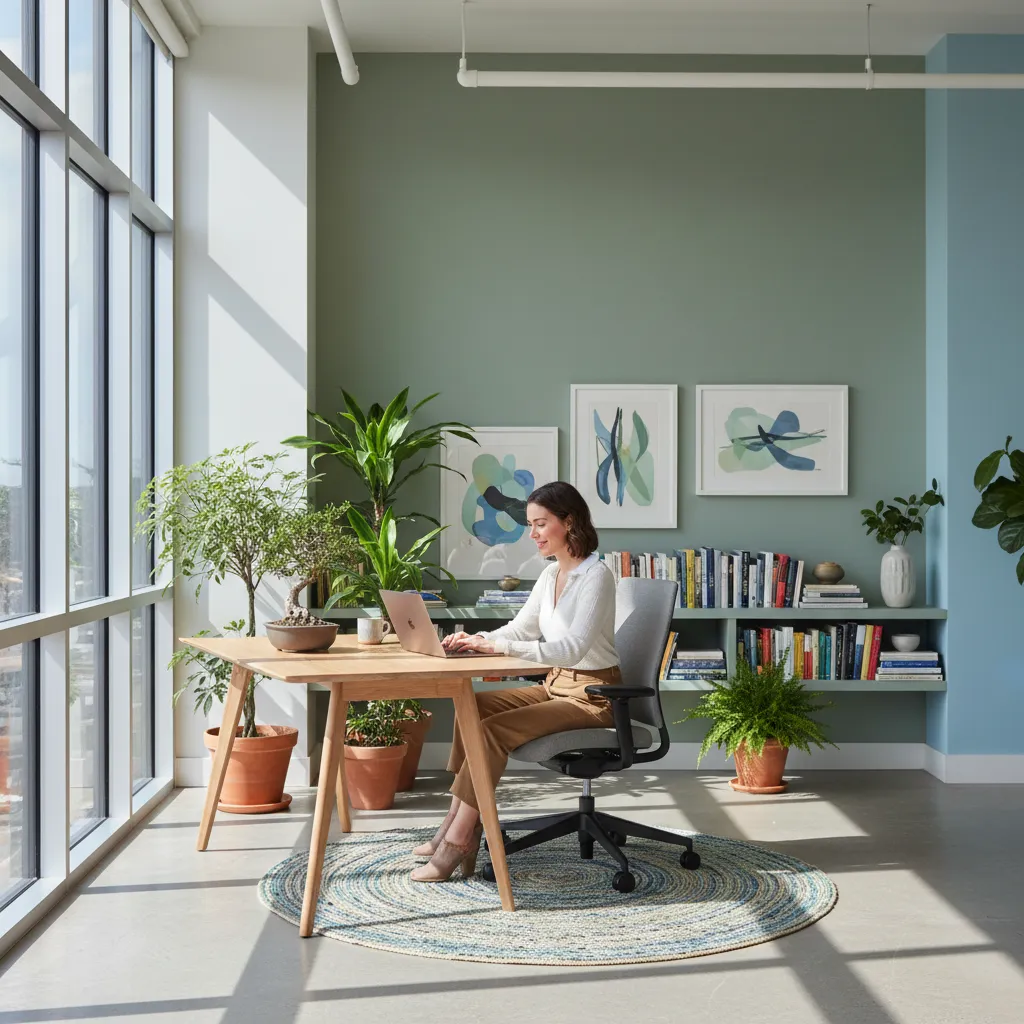
When individuals think about improving their study habits or managing complex educational materials, they rarely consider the aesthetic dimensions of their surroundings. However, engaging with premium luxury living room ideas requires a profound shift in how we view our personal spaces. You must train your brain to operate with high efficiency, which is significantly easier when your physical environment promotes absolute calm and unwavering focus. This transformation is not merely about selecting expensive furniture or coordinating colors; it is about reshaping how you process information, handle academic stress, and perceive the value of your educational journey across different sensory contexts.
Traditional educational environments often overlook the psychological components of spatial design. By treating your primary living space as a core discipline of your educational strategy, you develop immense cognitive resilience. This resilience allows you to evaluate complex theories and solve difficult problems without environmental interference. Learning to maintain this balance while navigating spatial arrangements is the first step toward sustained success in any academic endeavor. Research from institutions like Edutopia highlights that students and lifelong learners perform significantly better in environments that minimize stress and maximize comfort.
How Aesthetics Shape Our Understanding of Complex Subjects
Operating in cluttered or chaotic environments triggers the human stress response. When significant academic progress or professional development is on the line, environmental anxiety can cloud your judgment quickly. Cultivating a calm mindset through intentional design ensures that your prefrontal cortex—the logical, decision-making part of your brain—remains in control.
Education systems should prioritize teaching environmental regulation alongside mathematics, literature, and science. When you understand how your brain reacts to visual noise, you can implement strategies to prevent cognitive fatigue. Integrating the concepts behind luxury living room ideas into your personal space introduces a layer of cognitive distancing. Research shows that processing decisions in a highly organized, aesthetically pleasing room reduces emotional bias, allowing individuals to make more rational, academically sound choices. Calmness is not the absence of effort; it is the mastery of your surroundings through deliberate spatial frameworks.
Core Principles of Design for Educational Growth
To approach the world of home-based learning with a professional mindset, you need a highly structured physical framework. This framework relies heavily on continuous aesthetic refinement, spatial analysis, and sensory control. The most successful lifelong learners treat their daily environments like a rigorous academic pursuit, constantly studying new ergonomic models and lighting techniques.
You must build your environmental strategy on a foundation of verifiable psychological data. This requires a deep understanding of spatial psychology and sensory integration. By educating yourself on these design principles, you remove the guesswork from your daily study routines and enhance your neuroplasticity.
The Psychology of Spatial Organization
The modern landscape offers endless streams of data and digital distractions. The challenge is not finding information, but filtering it. You must learn to identify key environmental factors that actually influence your learning outcomes. This involves setting up robust organizational systems to monitor your academic materials without cluttering your elegant space.
For example, understanding visual weight is crucial. Every piece of furniture must be weighed against its potential long-term utility rather than its short-term visual appeal. When you explore luxury living room ideas, you encounter concepts framed around balance and symmetry, which forces your brain to slow down and process information more deliberately. Educational resources on interior design theory offer excellent materials that can help solidify these concepts, while organizational platforms can help you bridge the gap between luxury and utility.
The Role of Acoustic Protection and Sensory Allocation
No educational strategy can survive without strict sensory boundaries. Proper acoustic management is the protective shield that keeps you focused during inevitable periods of deep study. You should never expose your learning environment to unpredictable household noise.
This discipline requires immense spatial focus. It is easy to become distracted when your seating is uncomfortable or your lighting causes eye strain. Staying calm and adhering to your ergonomic models, even when you feel tired, is the hallmark of a true academic professional. Learning to navigate these rules while implementing luxury living room ideas reinforces the discipline required to succeed in global educational markets.
Transforming Education Through Practical Application
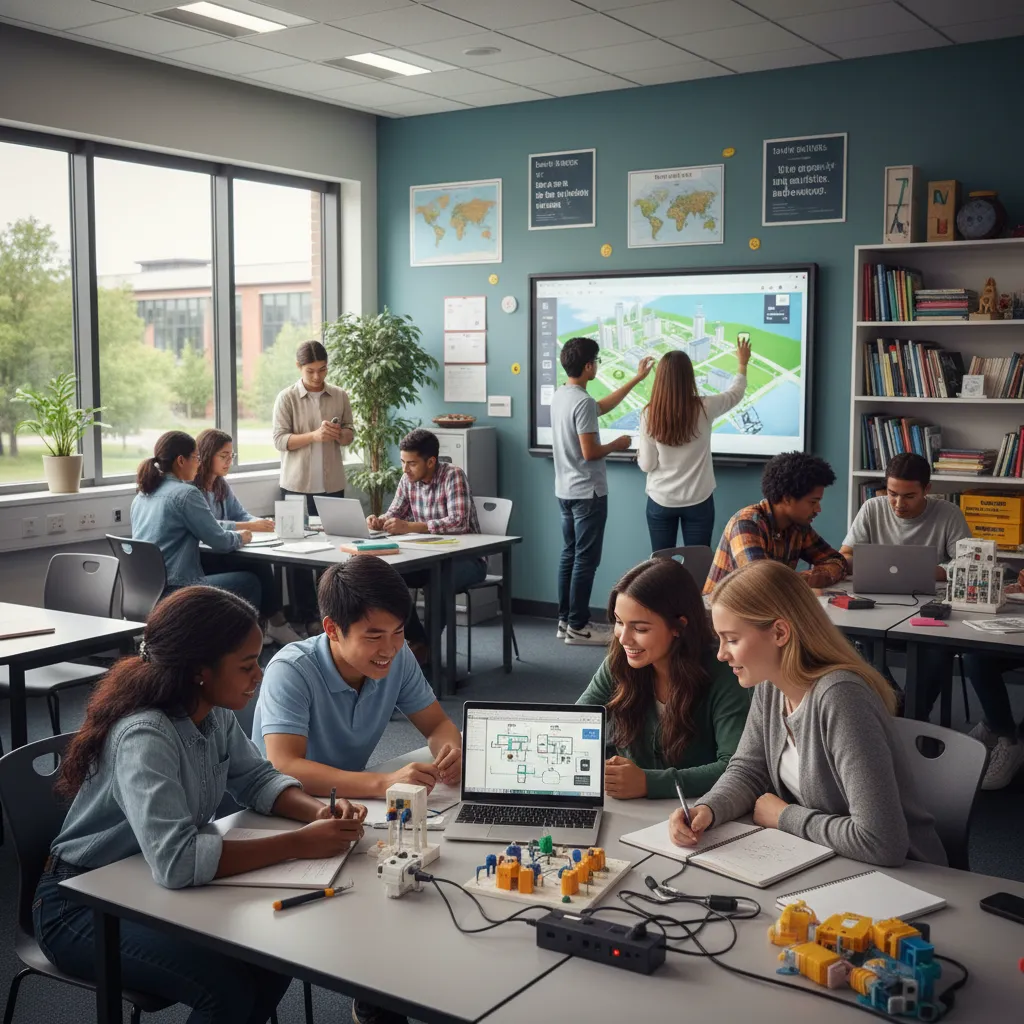
The skills required for curating a high-end space translate perfectly into broader educational contexts. When we teach students how to manage their environment, evaluate lighting, and regulate their sensory input, we prepare them for the complexities of the real world.
We need to shift the educational paradigm from sterile, institutional classrooms to dynamic, inspiring spaces. Imagine a home curriculum where students learn economics, linguistics, and science from the comfort of a meticulously designed sofa or a beautifully crafted marble desk. This approach fosters independent thinking and robust analytical capability.
Teaching Emotional Intelligence Through Environment
Emotional intelligence is the ability to recognize and manage your emotions effectively. In high-stakes learning environments, a lack of emotional intelligence leads to academic burnout. By integrating calming design concepts into home education, we create individuals who are resilient and adaptable.
You can practice this by paying attention to how your body feels in different seating arrangements. Document not just what you studied, but how your environment supported that study session. Over time, you will identify physical triggers that lead to poor concentration. Recognizing these triggers is the first step toward eliminating them and maintaining your academic focus through superior interior design.
Common Mistakes to Avoid When Designing for Focus
Even the most dedicated learners fall into predictable environmental traps. Avoiding these mistakes requires constant vigilance, self-awareness, and a commitment to your foundational design principles.
- Form Over Function: Purchasing beautiful seating that offers zero ergonomic support is the fastest way to ruin a study session. Always prioritize physical support alongside aesthetic appeal.
- Ignoring Lighting: Relying solely on harsh overhead lights leads to eye strain and headaches. You need layered lighting to create a proper learning atmosphere.
- Clutter Accumulation: Allowing books and papers to pile up destroys the visual calm of a space. You must actively implement hidden storage solutions to maintain an objective, clear environment.
- Poor Acoustic Planning: Failing to incorporate soft textures like rugs and heavy drapery makes a room echo, making it impossible to concentrate.
- Neglecting Inspiration: When researching luxury living room ideas, failing to include personal, inspiring art can make a space feel too much like a hotel and not enough like a personalized learning sanctuary.
Expert Insights and Pro Tips
Professionals who have mastered the art of learning from home share common environmental habits that separate them from amateurs. Integrating these habits into your daily routine is essential for long-term educational growth.
Focus entirely on the sensory process rather than just the visual outcome. You cannot control how difficult a textbook is, but you can control the quality of the light you use to read it. If you consistently make design decisions with a positive educational expected value, your academic outcomes will eventually align in your favor.
Always specialize your zones. Jack-of-all-trades spaces rarely succeed in highly competitive academic pursuits. Pick a specific corner of your room and become the absolute authority on optimizing it for deep work. This deep, focused spatial knowledge provides the edge required to find clarity where others see chaos.
Structured Comparison: Traditional vs. Progressive Learning Environments
Understanding the stark differences between a casual study space and a professional, progressively designed educational sanctuary highlights the importance of environmental focus.
|
Trait |
Traditional Study Room |
Luxury Learning Environment |
|---|---|---|
|
Primary Motivation |
Utilitarian function only |
Long-term, sustainable cognitive growth |
|
Seating Choice |
Rigid, uncomfortable desks |
Ergonomic, high-end supportive furniture |
|
Lighting Design |
Single, harsh overhead bulb |
Layered ambient, task, and accent lighting |
|
Reaction to Clutter |
Piles of visible papers |
Seamless, hidden architectural storage |
|
Focus Level |
Easily distracted by discomfort |
Hyper-focused due to sensory optimization |
|
Design Approach |
Believes a flat surface is enough |
Constantly researching, adapting, and refining |
Advanced Strategies for Sustained Focus
Maintaining high levels of concentration over long periods requires deliberate environmental practice. You must optimize your physical and mental surroundings to support your cognitive efforts, especially when translating complex ideas into actionable knowledge.
Eliminate all unnecessary visual distractions from your workspace. Utilize the principles found in top luxury living room ideas to create a dedicated environment strictly for your academic analysis. Your brain associates different physical spaces with different tasks, so having a specific, beautifully curated area for work enhances your ability to concentrate.
The Power of Routine and Lighting
Building a rigid daily lighting routine reduces sensory fatigue. When you follow a set schedule for opening blinds, utilizing task lamps, and dimming overheads, you preserve your mental energy for complex analytical tasks.
Start your day with natural light that promotes wakefulness and alertness. Set specific blocks of time for deep work, supported by focused task lighting. As the evening approaches, transition to warmer, dimmer light to signal to your brain that the intensive learning period is concluding. This mimics the natural circadian rhythm and optimizes your biological capacity for information retention.
Leveraging High-End Materials for Educational Growth
You must utilize advanced materials and textures to monitor your physical comfort. Velvet, silk, and high-grade leather are non-negotiable elements in a premium space. By automating your physical comfort, you free up mental bandwidth for actual academic analysis.
Explore resources like Architectural Digest to gather reliable information on material durability and aesthetic value. The more comfortable you become with integrating high-end textiles into your daily life, the easier it will be to sustain marathon study sessions that offer profitable educational opportunities.
Navigating Psychological Hurdles in Home Education

The journey to mastering this lifestyle is fraught with psychological challenges. You will face periods of intense academic self-doubt, especially during prolonged research projects. Having a solid, beautiful environmental foundation helps you weather these storms.
Understand that cognitive fatigue is a biological certainty. You will experience days where focus defies you, just as you will experience days of immense flow. Staying emotionally detached from both extremes is vital. When you view your performance through the lens of a supportive, luxurious environment rather than a sterile classroom, you maintain the calm needed to execute your study strategy flawlessly. Engaging with sophisticated design concepts can actually reinforce this necessary detachment.
Building a Spatial Support System
Isolation is a significant risk in home-based learning. Curating a space that invites comfortable collaboration provides valuable perspective. Incorporate ample, luxurious seating to engage in continuous dialogue with peers or mentors who share your rigorous approach to educational excellence.
Discussing your theories in a refined setting and receiving constructive feedback helps you identify academic blind spots. Teaching your concepts to others from the comfort of a perfectly designed room is also one of the most effective ways to solidify your own understanding while enjoying your surroundings.
Internal Cross-Link Clusters for Comprehensive Learning
To truly master this discipline, you must connect various spatial concepts. Focus on building your knowledge around cognitive development, which enhances your ability to process complex theories. Study the impacts of environmental psychology on emotional control. Furthermore, prioritize advanced ergonomic design techniques to ensure that your practical applications of these theories remain sustainable over the long term without causing physical strain.
The Broader Impact on Personal Development
The spatial skills you acquire through this rigorous design discipline bleed into every other area of your life. The ability to remain calm under pressure, analyze complex environments, and make objective aesthetic decisions improves your relationships, your career, and your overall well-being.
By treating the implementation of luxury living room ideas as an advanced course in psychology, organization, and focus, you transform a potentially chaotic subject into a powerful engine for personal growth. It is a masterclass in self-control, spatial awareness, and academic literacy.
You learn to value quality over instant gratification. You understand that true success is built slowly, through the compounding effect of thousands of small, correct environmental decisions. This shift in perspective is the ultimate educational transformation.
To successfully navigate the intersection of design, environment, and focus, commit to lifelong refinement. By treating your physical space as a rigorous discipline, you transform uncertainty into sustainable success. Stay calm, trust your aesthetic instincts, and always prioritize your long-term cognitive growth.
Frequently Asked Questions
What does it mean to approach interior design with an educational mindset?
An educational mindset means treating every spatial decision as a learning opportunity. It involves studying psychological responses to color, understanding ergonomic requirements, and constantly refining your environment based on empirical data regarding human focus and productivity.
How do luxury living room ideas improve cognitive focus?
High-end design introduces visual harmony and comfort. This forces your nervous system to slow down, reducing emotional reactivity and stress, which in turn improves your logical focus and stamina during high-pressure analytical study sessions.
Why is calmness so important in an educational environment?
Calmness prevents emotional and sensory hijacking. When you are calm, your brain easily absorbs logic and data. When you are stressed by physical discomfort or visual clutter, you are prone to cognitive fatigue, which quickly depletes your mental resources.
How does proper lighting work in this context?
Proper lighting involves layering natural light, ambient light, and focused task lighting. This boundary ensures that your eyes do not strain during long reading sessions, allowing you to stay active and alert long enough to master complex educational subjects.
What is acoustic treatment and why is it crucial?
Acoustic treatment involves using heavy textiles, rugs, and specifically designed furniture to absorb sound. It is crucial because it helps you eliminate distracting household noises, allowing you to ignore short-term disruptions and focus on sustainable, deep work.
How do I avoid the mistake of prioritizing form over function?
You avoid this by strictly adhering to ergonomic standards before making aesthetic choices. Testing furniture for lumbar support and ensuring desks are at the correct height helps break the cycle of buying beautiful but useless pieces.
Can these high-end spatial skills be applied to other areas of life?
Yes, absolutely. The ability to curate an environment objectively, remain calm under pressure, and make data-driven aesthetic decisions are highly transferable skills. They improve your general professional output, enhance your career performance, and help you navigate personal stress effectively.
What is the biggest difference between a traditional study space and a luxury learning environment?
The biggest difference is sensory optimization and comfort. Traditional spaces rely on rigid, utilitarian function. Luxury environments rely entirely on psychological comfort, ergonomic support, and strict clutter management, treating the learning space as a serious sanctuary.
How much organization do I need to prove a space works?
You need a substantial and consistent organizational system to prove a space is functional. Generally, having dedicated, hidden storage for all materials is required to ensure that your visual field remains clear and your mind remains unburdened by mess.
What role does color psychology play in this educational process?
Color psychology helps you regulate your emotional state. By utilizing calming neutrals, deep blues, or soft greens, you can identify and implement tones that naturally lower your heart rate and refine your educational approach, leading to better mental endurance.



Leave a Reply