

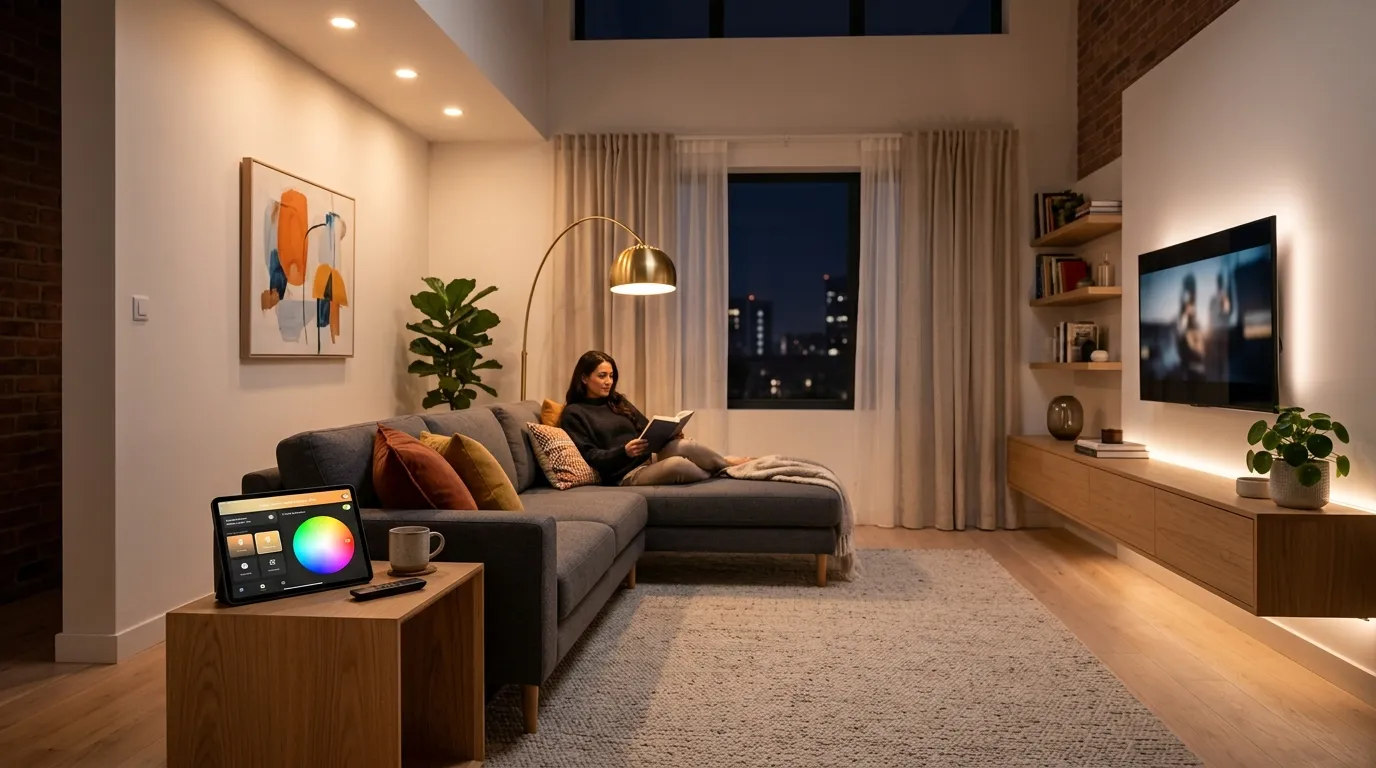
Did you know harsh fluorescent lights hinder student concentration? By integrating smart lighting systems, schools can drastically improve academic performance, fostering calm and focus in every classroom.
This comprehensive guide explores how advanced illumination technology revolutionizes educational environments. We detail the physiological impact of light, practical implementation strategies, and energy efficiency benefits. Discover expert tips to help administrators use dynamic lighting to boost student engagement and overall well-being.
The Science of Light and Learning
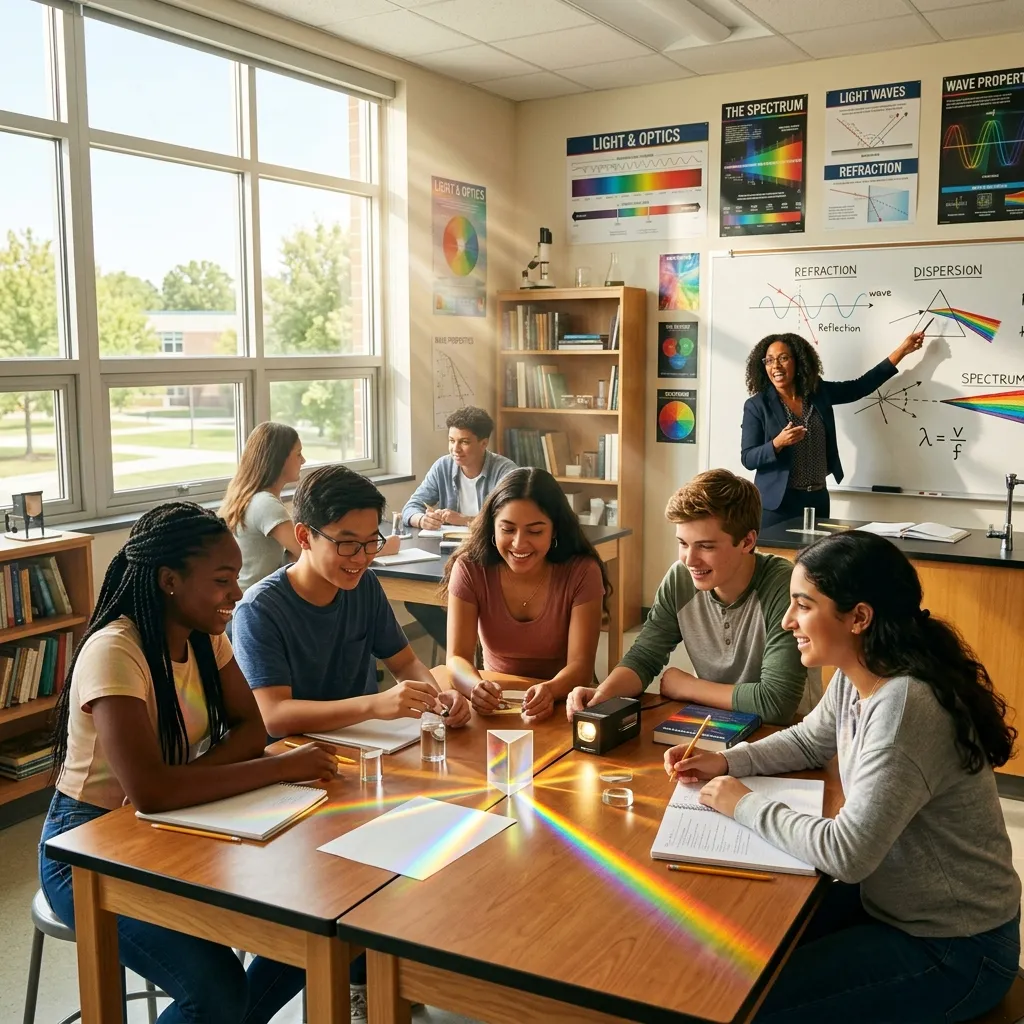
The modern classroom requires more than just textbooks and engaged teachers; it requires an environment optimized for human biology. For decades, educational facilities have relied on standard fluorescent tubes that emit a constant, unyielding glare. While cost-effective historically, these outdated setups fail to support the biological needs of developing minds. Enter modern smart lighting systems, which allow educators to adjust the environment to match the specific needs of their students throughout the day.
Extensive research from institutions like Harvard University demonstrates that lighting profoundly impacts human biology. Light dictates our wakefulness, our mood, and our ability to process complex information. When administrators install dynamic illumination, they give teachers the power to control the physical atmosphere of the room. This control goes far beyond simple on-and-off switches; it involves manipulating the very spectrum of light to induce specific psychological and physiological responses in students.
Understanding the mechanics behind these responses requires a look at how our bodies process light. Humans evolved under the dynamic light of the sun, which changes color and intensity from dawn to dusk. By mimicking these natural progressions, smart lighting systems keep students alert during morning lectures and help them calm down during independent reading time. The transition from static, unresponsive environments to dynamic, human-centered spaces marks a massive leap forward in educational facility design.
How Color Temperature Affects the Brain
The concept of color temperature plays a pivotal role in educational design. Measured in Kelvins (K), this metric describes the warmth or coolness of a light source. Cool light, which mimics the bright midday sun (around 5000K to 6500K), suppresses melatonin production and increases alertness. This makes cool light perfect for complex problem-solving, test-taking, and active group discussions.
Conversely, warm light (around 2700K to 3000K) mimics the late afternoon or evening sun. This warmer spectrum promotes relaxation and reduces stress. When teachers transition the classroom to warmer tones, they signal to students’ brains that it is time to transition into a calmer state. This proves incredibly useful for post-recess cool-downs, creative writing sessions, or conflict resolution circles. The ability to shift between these states seamlessly is one of the primary reasons smart lighting systems outperform traditional setups.
Regulating the Circadian Rhythm
The circadian rhythm is the internal biological clock that dictates our sleep-wake cycle. Adolescents, in particular, experience significant shifts in their natural rhythms, often making early school start times biologically challenging. Traditional static lighting disrupts this delicate balance, leading to daytime fatigue and reduced academic retention.
Dynamic lighting directly addresses this issue. By programming the lights to start with bright, cool tones in the morning, educators can help “wake up” students’ brains, artificially suppressing the sleep hormone melatonin. As the day progresses, the lights can gradually shift, aligning with the students’ natural biological progression. This biological alignment not only improves daily focus but also promotes better sleep quality at night, creating a positive feedback loop for overall student health.
What Are smart lighting systems?
To understand how to leverage this technology, we must first define what it entails. Advanced smart lighting systems combine LED technology with networked software, allowing users to control individual fixtures or entire building networks via centralized dashboards, mobile applications, or automated schedules. Unlike traditional bulbs that require hardwired dimmers, these intelligent fixtures communicate wirelessly, offering unprecedented flexibility.
The architecture of these networks typically involves smart bulbs or integrated LED panels, a central hub or bridge, and the control software. These components communicate using protocols like Zigbee, Wi-Fi, or Bluetooth. This connectivity enables facility managers to monitor energy usage, schedule lighting changes, and identify maintenance issues remotely. For a school district, this means a single facility manager can oversee the lighting profiles of dozens of buildings from one location.
Beyond simple remote control, these networks integrate with other building management tools. They utilize motion sensors and ambient light sensors to adjust output automatically. If a classroom receives ample natural sunlight on a bright morning, the system dims the artificial lights near the windows, saving energy while maintaining consistent visual comfort for the students.
Core Components of the Technology
The foundation of any intelligent lighting network rests on its hardware. Commercial-grade LED technology provides the physical illumination. These panels offer superior longevity and consume a fraction of the electricity required by legacy fluorescent tubes. More importantly, they allow for precise tuning of both brightness and color.
Next comes the networking infrastructure. Intelligent sensors detect occupancy and daylight harvesting opportunities. Wall-mounted control pads give teachers manual override capabilities, ensuring they always retain immediate control over their specific room’s environment. Finally, the centralized software platform ties everything together, allowing administrators to establish district-wide profiles and collect data on energy consumption.
Integration with Facility Automation
Modern educational facilities operate as complex, interconnected ecosystems. By integrating lighting with broader IoT integration protocols, schools unlock synergistic benefits. For example, the lighting network can communicate with the HVAC system. When occupancy sensors detect an empty room, they can simultaneously turn off the lights and adjust the room’s temperature, maximizing resource conservation.
Furthermore, these integrations enhance campus security. In the event of an emergency, administrators can trigger specific lighting protocols. Hallways can flash specific colors to indicate lockdown procedures or illuminate exit routes during an evacuation. This level of interconnectivity proves that upgrading your infrastructure offers benefits far beyond the classroom walls.
Transforming Education: Calm and Focus in the Classroom

The primary objective of educational infrastructure should always be to support student success. Teachers constantly seek methods to improve engagement, reduce behavioral issues, and foster a love of learning. By deploying smart lighting systems, administrators provide educators with a powerful behavioral management tool.
The psychological impact of environment design cannot be overstated. When students enter a space that feels clinical, harsh, and institutional, their anxiety levels naturally rise. Fluorescent lights, with their imperceptible but biologically taxing flicker, contribute significantly to this baseline stress. By replacing these fixtures with smooth, adaptable illumination, schools immediately create a more welcoming, supportive atmosphere.
This environmental shift proves especially beneficial during high-stakes testing periods. The ability to flood a room with crisp, focus-enhancing light helps students concentrate on complex tasks without experiencing visual fatigue. Conversely, when the tension in the room runs high, transitioning to a softer glow acts as a subconscious cue to breathe, relax, and reset.
Reducing Sensory Overload
For neurodivergent students, including those on the autism spectrum or those with ADHD, the physical environment dramatically impacts their ability to learn. Harsh lighting often triggers sensory overload, leading to anxiety, distraction, and behavioral outbursts. The persistent hum and flicker of older ballasts create an invisible barrier to educational equity.
Dynamic lighting provides a crucial accommodation. Teachers can create localized zones of softer light or adjust the entire room to accommodate sensory sensitivities. By prioritizing human-centric lighting, schools demonstrate a commitment to inclusive education, ensuring that every student has the physical environment they need to thrive.
Boosting Cognitive Function and Test Scores
Numerous studies link environmental factors directly to academic performance. When students experience high visual comfort, they read faster, retain more information, and make fewer errors. Optimal lighting conditions reduce eye strain and headaches, allowing students to engage with material for longer periods without fatigue.
The strategic application of cool, blue-enriched light directly stimulates the brain’s alertness centers. When teachers deploy this specific spectrum during intensive instructional blocks, they actively boost cognitive function. The data clearly shows that schools investing in advanced lighting infrastructure frequently report measurable improvements in standardized test scores and overall academic achievement.
Implementing smart lighting systems in Schools
Transitioning an entire school or district to a new infrastructure paradigm requires careful planning and strategic execution. Administrators must balance immediate capital expenditures against long-term operational savings. The process begins with a comprehensive audit of existing facilities to determine the scope of the project and identify high-priority areas.
Securing funding often presents the most significant hurdle. However, because modern lighting drastically reduces electrical consumption, districts can frequently leverage energy savings performance contracts. In these arrangements, the energy savings generated by the new infrastructure pay for the installation over time, effectively neutralizing the upfront capital requirements. Additionally, many state and federal grants support energy efficiency upgrades in public buildings.
Once funding is secured, project managers must coordinate installation schedules to minimize disruption to the educational process. Many districts choose to execute these upgrades during summer breaks or extended holiday periods. Engaging with experienced contractors who specialize in educational environments ensures that the technology aligns perfectly with the daily needs of the teachers and students.
Budgeting and Energy Efficiency
The financial argument for modernizing illumination is incredibly strong. Traditional lighting accounts for a massive portion of a school’s utility budget. By switching to LED-based networks, districts routinely cut their lighting energy costs by 50% to 70%. These savings compound year over year, freeing up critical funds that can be redirected toward educational resources, new technology, or teacher salaries.
Furthermore, intelligent sensors optimize this energy efficiency by ensuring lights only operate when necessary. Daylight harvesting dims artificial lights when the sun provides adequate illumination, and occupancy sensors eliminate the age-old problem of lights being left on in empty classrooms. Over the lifespan of the equipment, the return on investment heavily justifies the initial expenditure.
Overcoming Technical Hurdles
While the benefits are clear, implementation does come with technical challenges. Ensuring robust network connectivity is paramount, as the fixtures rely on stable communication protocols to function correctly. Districts must verify that their IT infrastructure can support the increased traffic of hundreds of interconnected devices.
Training also plays a vital role in successful deployment. If teachers do not understand how to use the control panels or software, the system’s dynamic capabilities will go unused. Providing comprehensive, hands-on training empowers educators to utilize the technology to its fullest potential, maximizing the return on the district’s investment.
Comparison Table: Traditional vs. Smart School Lighting
To clearly illustrate the paradigm shift, consider this breakdown of how legacy infrastructure compares to modern solutions.
|
Feature |
Traditional Fluorescent Lighting |
Modern smart lighting systems |
|---|---|---|
|
Color Temperature |
Static, unchangeable |
Dynamic, fully tunable |
|
Energy Consumption |
High |
Low (Highly efficient LED) |
|
Control Mechanism |
Manual wall switches only |
Apps, hubs, scheduling, sensors |
|
Impact on Focus |
Can cause visual fatigue |
Boosts alertness and concentration |
|
Sensory Friendliness |
Prone to flicker and glare |
Smooth, flicker-free, customizable |
|
Maintenance |
Frequent bulb replacements |
Long lifespan, remote diagnostics |
Common Mistakes to Avoid When Upgrading

When districts rush into modernization projects without adequate foresight, they often encounter avoidable setbacks. The most prevalent mistake is focusing solely on the energy savings while ignoring the biological and behavioral benefits. If administrators purchase non-tunable LEDs just to save money, they miss out completely on the ability to adjust color temperatures, forfeiting the profound impacts on student focus and calm.
Another common error involves neglecting user experience. If the control interfaces are too complex, teachers will simply default to turning the lights on and off, treating the advanced network like a traditional switch. The interface must be intuitive, featuring pre-programmed scenes like “Testing,” “Reading,” or “Relaxation” that require only a single touch to activate.
Finally, failing to secure IT department buy-in early in the process causes major deployment delays. Because these networks rely on Wi-Fi or Zigbee protocols, they must seamlessly integrate with the school’s existing cybersecurity and network architecture. Bringing IT professionals into the planning phase ensures a secure, stable, and reliable deployment.
Pro Tips and Expert Insights for Educators
For educators preparing to utilize this technology, experts recommend starting small. Begin by experimenting with the color temperature during specific transition periods. For example, use warm, dim light to calm students down as they return from a loud, chaotic environment like the lunchroom or gymnasium. Observe how the class reacts and adjust the timing and intensity accordingly.
Experts from the Department of Energy suggest utilizing daylight harvesting to its maximum potential. Position desks to take advantage of natural light and let the automated sensors handle the artificial balancing. This not only saves money but provides the highest quality visual environment possible.
Additionally, involve the students in the process. Explain to them how light affects their brains and bodies. When students understand why the lights are changing, they become active participants in their own self-regulation, building valuable metacognitive skills that extend far beyond the classroom.
The Future of Educational Environments
As we look toward the horizon of educational design, the integration of intelligent infrastructure will become the standard, rather than the exception. The data supporting the positive impacts on student health, behavior, and academic performance is simply too overwhelming to ignore. We are moving toward a future where the physical classroom actively responds to and supports the pedagogical goals of the teacher.
Future iterations of smart lighting systems will likely incorporate advanced biometric feedback. Imagine a classroom where sensors detect the aggregate stress levels or fatigue of the students and automatically adjust the illumination to compensate, without the teacher needing to press a button. As artificial intelligence and machine learning intersect with building management, the possibilities for creating perfect learning environments expand exponentially.
Ultimately, the goal is to remove physical barriers to learning. By eliminating harsh glare, reducing sensory triggers, and aligning the environment with human biology, we create spaces where students feel safe, calm, and ready to engage. Investing in this technology is not merely a facility upgrade; it is a profound commitment to the future success of every student who walks through the school doors.
Conclusion
Upgrading to smart lighting systems represents a profound investment in student success and mental well-being. By prioritizing dynamic, adaptable environments, educators can cultivate unprecedented focus and calm. Take the first step today by auditing your school’s current infrastructure, consulting with experts, and start building a brighter, more engaging educational future.
Frequently Asked Questions
1. What exactly makes a lighting network “smart”?
It utilizes digital connectivity (like Wi-Fi or Bluetooth) to allow users to control brightness, color temperature, and scheduling remotely via apps or centralized software, rather than relying on manual, hardwired switches.
2. How does changing the color of light affect student behavior?
Cool, blue-toned light mimics daylight, which suppresses melatonin and increases alertness and focus. Warm, amber-toned light promotes relaxation and calm, helping reduce stress and anxiety during quiet periods.
3. Are these upgrades too expensive for public school districts?
While the upfront cost is higher than traditional bulbs, the massive reduction in energy consumption usually pays for the system over time. Many districts use energy savings performance contracts to fund the upgrades without upfront capital.
4. How do these networks help students with sensory processing issues?
Traditional fluorescent lights often have an imperceptible flicker and harsh glare that can cause sensory overload. Modern LED networks are smooth, flicker-free, and can be dimmed or warmed to create a soothing, non-triggering environment.
5. Can teachers easily control the lights while teaching?
Yes, reputable systems provide intuitive wall panels or tablet applications with pre-programmed “scenes” (e.g., Reading, Testing, Relaxing), allowing teachers to change the room’s atmosphere with a single touch.
6. Do these systems require a constant internet connection to work?
While initial setup and remote cloud access require the internet, most systems use local mesh networks (like Zigbee) or local Wi-Fi, meaning teachers can still control their classroom lights even if the external internet goes down.
7. How much energy do these setups actually save?
By combining highly efficient LED technology with automated occupancy sensors and daylight harvesting, educational facilities typically see a 50% to 70% reduction in their lighting-related energy costs.
8. What is daylight harvesting?
Daylight harvesting is an automated feature where sensors measure the amount of natural sunlight entering a room. The system then automatically dims the artificial lights near the windows to maintain a consistent light level while saving energy.
9. Can this technology be integrated with school security protocols?
Yes. Administrators can program the network to flash specific colors or illuminate emergency exit paths automatically during a lockdown, fire drill, or other campus-wide emergencies.
10. How long do the LED fixtures typically last?
Commercial-grade smart LED fixtures are designed to last anywhere from 50,000 to 100,000 hours. In a typical school environment, this translates to 15 to 20 years before the fixtures require replacement, drastically reducing maintenance costs.



Leave a Reply