

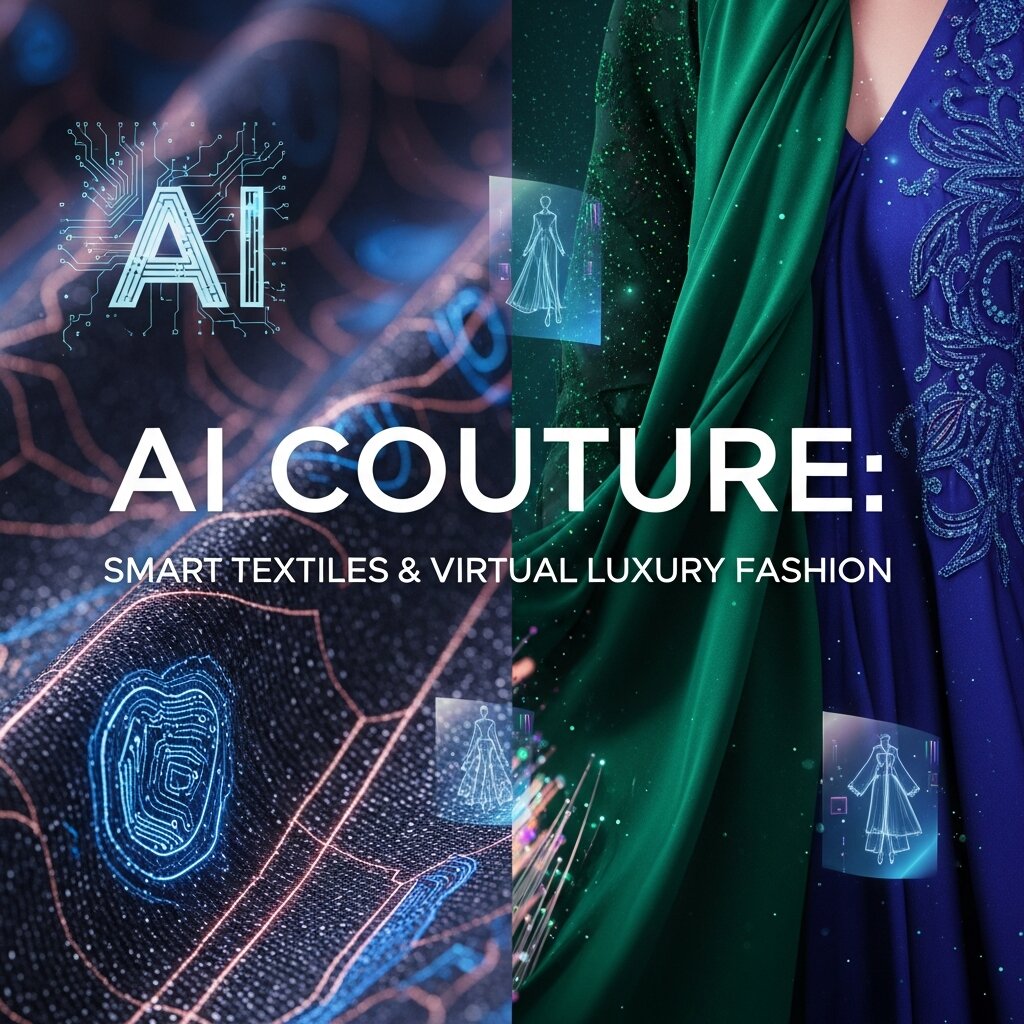
In today’s digital landscape, luxury fashion is undergoing a profound reinvention, as designers and technologists collaborate to redefine what high-end style means. The rise of AI Couture is not merely a fusion of artificial intelligence and haute couture; it represents a holistic reimagining of how garments are conceived, produced, and experienced.
Today’s discerning clientele expects exclusivity, sustainability, and interactive engagement from their luxury purchases. No longer satisfied with conventionally tailored suits or one-off embroidered gowns, they gravitate toward pieces that evolve in real time—reflecting mood shifts, environmental changes, and individual biometric data. In this context, AI Couture emerges as the convergence of digital innovation and fashion legacy, paving the way for a more responsive, sustainable, and personalized future. Across immersive virtual runways and bespoke in-person fittings, the industry is redefining the very notion of style, crafting attire that not only adorns but also anticipates and adapts.
In the sections that follow, we will explore how generative design tools are reshaping the foundations of couture, investigate the latest advancements in smart textiles, and examine the role of virtual showcases in democratizing high fashion. We will also delve into hyper-personalization strategies driven by AI stylists and consider the sustainability and ethical implications that define responsible innovation within the AI Couture movement.
Evolution of Couture: Craftsmanship Meets AI-Driven Creativity
From Hand Embroidery to Algorithmic Inspiration
For centuries, haute couture has stood as a testament to human artistry, where masterful artisans painstakingly hand-stitch embellishments and sculpt luxurious silhouettes. However, as we enter an era defined by data and digital tools, the traditional methods are being augmented rather than replaced. AI-enabled design platforms now analyze vast archives of archival sketches, runway photographs, and consumer trend reports to propose novel patterns, draping techniques, and color harmonies. These systems employ deep learning frameworks that can detect subtle thematic connections across decades of fashion history, inspiring designs that honor heritage while pushing creative boundaries.
As of this year (2026), leading luxury ateliers are integrating generative adversarial networks to co-create collections with designers. By uploading mood boards, fabric samples, and demographic data into an AI studio, couturiers receive multiple design iterations within minutes—an iterative process that would traditionally span weeks. Designers refine these AI-generated drafts, infusing personal touches and expert craftsmanship before the garment reaches the production floor. This symbiotic workflow between human intuition and computational prowess unlocks bespoke creations tailored to each client’s aesthetic preferences.
Institutions like the Massachusetts Institute of Technology are actively researching how AI can democratize creative expression, collaborating with fashion houses to pilot projects that blend programmable textiles with digital design interfaces. The result is a novel couture narrative where every stitch, pleat, and print is informed by a dialogue between tradition and technology. In today’s competitive marketplace, this approach not only accelerates time-to-market but also cultivates an unprecedented level of customization, setting a new standard for exclusivity in AI Couture.
Moreover, data-driven insights allow couturiers to anticipate emerging color palettes, fabric trends, and silhouette preferences before they become mainstream. By tapping into social media analytics, regional style forecasts, and climatological patterns, AI assists in selecting materials that resonate with specific markets and weather conditions. This predictive capability is invaluable for seasonal collections, where traditional forecasting models often yield surplus stock or underdeliver on consumer demand.
Yet, this rapid iteration does not erode the essence of couture; rather, it amplifies it. Skilled artisans remain central to the realization of AI-assisted designs, applying handwork techniques to embellish and finish garments in ways that machines cannot replicate. The result is a harmonious interplay where only the most nuanced aspects of garment creation—be it delicate embroidery or three-dimensional fabric manipulation—are entrusted to human hands. In this fusion, AI Couture emerges as a new paradigm, one that honors the legacy of couture while embracing the boundless potential of algorithmic innovation.
Smart Textiles: The Rise of Responsive and Adaptive Fabrics
Materials That Communicate and Transform
At the forefront of AI Couture, smart textiles are redefining the concept of active wear. These advanced materials embed sensors, conductive fibers, microprocessors, and even microfluidic channels to create garments that can sense biometrics, react to environmental stimuli, and adapt their properties on demand. For instance, temperature-regulating phase-change materials can absorb or release heat to keep the wearer comfortable, while color-shifting pigments respond to changes in light exposure or mood cues. This multi-sensory integration is enabled by seamless hardware-software interfaces sewn directly into seams, eliminating bulky electronics and preserving the fluidity expected in luxury garments.
Research agencies like the National Science Foundation are funding initiatives that explore graphene-infused fibers, shape-memory polymers, and biometric monitoring capabilities in textile form. Graphene’s exceptional strength, flexibility, and conductivity make it an ideal candidate for next-generation couture, enabling garments that double as wearable screens or health monitors. Similarly, smart ink and conductive threads can transform a simple dress into an interactive canvas, responding to gestures or synchronized with mobile applications for dynamic display purposes.
Within luxury contexts, smart textiles facilitate hyper-responsive experiences tailored to individual wearers. Imagine a ball gown that elegantly expands cuffs when high humidity is detected or a bespoke cloak that alters its weave density to optimise thermal insulation at mountain retreats. These capabilities shift the narrative of clothing from passive adornment to interactive companions that support well-being, style, and personal expression. Consumers benefit from fabrics that maintain peak performance, while designers gain unprecedented creative latitude to experiment with material science.
Despite these advancements, integrating electronics and computational modules into delicate fabrics introduces challenges around durability, washability, and ethical sourcing. To address these issues, material scientists and couturiers collaborate to develop encapsulation techniques and reusable hardware modules that can be detached before laundering. This modularity enhances garment longevity and aligns with sustainable goals, ensuring that smart textiles do not compromise environmental responsibility.
Another promising avenue involves biodegradable biopolymers infused with sensing capabilities. By leveraging renewable resources such as cellulose or chitosan, researchers are crafting fabrics that decompose harmlessly at end of life, reducing ecological footprints. Embedded micro-AI modules can evaluate fabric wear patterns, signaling when repairs or recycling processes are optimal. This convergence of material intelligence and ecological stewardship exemplifies the transformative potential of AI Couture in reshaping fashion’s relationship with the planet.
Virtual Runways and Digital Fashion Experiences

Immersive Showcases Beyond Physical Limits
The spectacle of a couture fashion show has traditionally been confined to exclusive venues, with limited seat counts and high carbon footprints. Today, AI Couture expands these events into metaverse landscapes and augmented reality (AR) platforms, democratizing access and reducing environmental impact. Through VR headsets and mobile AR applications, global audiences can attend immersive runway presentations from the comfort of their homes, interacting with digital garments in three-dimensional spaces.
Designers now deploy AI-powered rendering engines to visualize collections with photorealistic detail. Users can manipulate virtual garments in real time—adjusting sleeve lengths, experimenting with color palettes, or previewing Smart Textile functionalities. These interfaces often incorporate motion-capture and gesture-recognition technologies, enabling attendees to “try on” designs as digital avatars. In high-end contexts, bespoke invitations leverage blockchain-secured NFTs for entry, blending exclusivity with traceable provenance.
Prominent fashion houses are collaborating with research labs and tech companies to develop custom virtual environments. For example, partnerships with institutions like Stanford University have led to experimental AR filters that integrate molecular visualizations of smart fibers, educating viewers about material innovations. These collaborations underscore the multidisciplinary nature of AI Couture, uniting computer scientists, textile engineers, and creative directors to craft narratives that transcend fabric and thread.
Moreover, virtual runways present opportunities for sustainable digital merchandising. AI algorithms analyze viewer engagement metrics—such as gaze tracking and click-through rates—to forecast demand and guide production decisions. This data-driven strategy mitigates overproduction, ensuring that physical samples align with consumer interest. As a result, designers can launch limited-edition drops with confidence, knowing that supply chains respond dynamically to validated demand signals.
In addition to runway events, AI-driven platforms facilitate private virtual consultations. Clients can join live video calls with stylists, exploring 3D avatars of their physiques and receiving real-time AI-generated style recommendations. These sessions not only heighten personalization but also foster secure, data-informed relationships between brands and high-net-worth individuals, enhancing loyalty and lifetime value.
Personalized Styling: AI as the Ultimate Luxury Consultant

Data-Driven Wardrobe Curation
In an era where personalization reigns supreme, AI Couture elevates styling services by functioning as an intelligent personal shopper. Advanced AI assistants collect and analyze a user’s body measurements, lifestyle patterns, social media aesthetics, and event calendars to curate bespoke wardrobes. These styling companions generate outfit recommendations that harmonize with an individual’s unique silhouette and personal brand, all while factoring in contextual variables such as climate, venue formality, and regional fashion trends.
Augmented reality dressing rooms allow clients to visualize each ensemble in high-fidelity, overlaying virtual garments onto live camera feeds. Through intuitive gestures, users can refine fit, alter hemlines, and swap fabrics in real time. This interactive process not only streamlines decision-making but also enhances confidence in fit and style, reducing the likelihood of returns. Retailers benefit from predictive analytics that anticipate replenishment needs, while customers enjoy seamless, appointment-free shopping experiences.
Subscription-based AI styling services are gaining traction among luxury consumers. These platforms deliver curated capsule collections directly to clients’ residences, complete with smart hangers that track wear frequency and fabric integrity. Embedded microchips in these hangers collect usage data, informing AI algorithms when to propose new pieces, suggest repairs, or recommend recycling options. By maintaining a continuous feedback loop, brands foster deeper engagement and nurture sustainable consumption habits.
Machine learning models also play a pivotal role in trend forecasting at the individual level. By scanning global social media platforms, runway archives, and retail databases, AI identifies emerging silhouettes, color stories, and accessory pairings that resonate with a specific user profile. Designers leverage these insights to propose limited-run items or bespoke modifications, ensuring that each garment embodies a sense of exclusivity and relevance.
While the allure of AI-powered styling is undeniable, privacy remains a top priority. Brands implement robust data governance frameworks to protect sensitive biometric and lifestyle information, employing encryption protocols and user-controlled consent mechanisms. This emphasis on security allows discerning clients to trust that their personal data enhances their wardrobe without compromising confidentiality.
Sustainable and Ethical Practices in AI-Driven Fashion
Eco-Conscious Innovation and Supply Chain Transparency
As environmental concerns intensify, AI Couture is championing sustainable and ethical practices throughout the lifecycle of luxury garments. AI-powered supply chain monitoring systems track raw materials from source to final product, ensuring provenance of lab-grown silks, regenerated fibers, or recycled ocean plastics. Blockchain-enabled ledgers record each transaction with immutable timestamps, granting brands and consumers alike transparent visibility into production processes and carbon footprints.
Demand forecasting algorithms analyze purchasing patterns and social sentiment to align production volumes with actual market needs, drastically reducing excess inventory and waste. Luxury houses can now launch just-in-time artisanal batches, minimizing overproduction without sacrificing the exclusivity that defines haute couture. Embedded microchips within smart garments further facilitate end-of-life management: once a piece reaches its recycling threshold, the chip signals the most efficient disassembly and reprocessing protocols.
Innovations in biodegradable sensor modules and detachable electronics ensure that smart textiles do not contribute to e-waste. Collaborative research initiatives with government agencies and sustainability funds are developing compostable conductive inks and bioresorbable circuits that harmlessly degrade when triggered. These advancements underscore a commitment to circularity, where every component of an AI Couture creation is designed with its eventual reintegration into new materials in mind.
Ethical considerations also extend to labor and craftsmanship. While AI enhances design efficiency, brands are investing in upskilling initiatives that empower artisans to work alongside digital tools, preserving cultural heritage and specialized skills. By balancing automation with human expertise, the industry upholds the artisanal spirit that has long been synonymous with luxury fashion.
Ultimately, AI Couture’s promise lies in its ability to harmonize creativity, convenience, and conscientiousness. Through algorithmic precision and material innovation, this movement is redefining sustainability not as a constraint but as a creative catalyst—demonstrating that luxury and responsibility can coexist in perfect synergy.
Frequently Asked Questions
What exactly is AI Couture?
AI Couture refers to the integration of artificial intelligence and machine learning within the high-fashion design and production process. It encompasses generative design tools, data-driven material selection, smart textiles, and personalized styling algorithms that work in concert with traditional couture craftsmanship.
How do smart textiles adapt to the wearer?
Smart textiles are engineered with embedded sensors, conductive fibers, and responsive materials such as phase-change polymers and color-shifting pigments. These components detect environmental or biometric changes—like temperature, humidity, or heart rate—and adjust the fabric’s properties (insulation, color, texture) in real time to optimize comfort and aesthetic effects.
Are AI-designed garments sustainable?
Yes. AI-driven demand forecasting reduces overproduction by aligning supply with real consumer interest. Additionally, innovations in biodegradable polymers, detachable electronics, and circular supply chain tracking ensure that materials and components can be responsibly recycled or composted at end-of-life.
What role does personalization play in AI Couture?
Personalization is central to AI Couture. Machine learning algorithms analyze individual measurements, lifestyle data, and fashion preferences to curate bespoke wardrobes. AR dressing rooms and AI-powered stylists enable clients to visualize, refine, and customize every aspect of their garments before production, ensuring a perfect fit and unique aesthetic.
What ethical considerations should be addressed?
Key concerns include data privacy, labor practices, and electronic waste. Brands must implement robust data governance frameworks to protect user information, invest in upskilling artisans to preserve craftsmanship, and develop recyclable or biodegradable electronic modules to prevent e-waste.
Conclusion
AI Couture stands at the intersection of tradition and innovation, redefining luxury fashion through the integration of intelligent design, adaptive materials, and immersive digital experiences. Today, garments are no longer static artifacts; they are interactive expressions that respond to individual preferences, environmental stimuli, and ethical imperatives. By leveraging AI-driven design tools, smart textiles, and virtual showcases, brands can deliver personalized, sustainable, and unforgettable style narratives.
As the industry navigates challenges related to data privacy, cybersecurity, and preserving artisanal craftsmanship, a collaborative approach will be essential. Designers, technologists, and material scientists must work in concert to uphold the authenticity of couture while embracing the efficiencies of AI. In doing so, the future of AI Couture promises not only elegance and exclusivity but also a more responsible and connected fashion ecosystem. Now is the moment to embrace this intelligent evolution, crafting attire that learns from you, adapts with you, and honors the world around you in this year (2026).
Looking ahead, the principles of AI Couture can extend beyond runways and wardrobes, influencing adjacent industries such as performance wear, medical textiles, and digital art installations. As research institutions and government bodies continue to support interdisciplinary projects, the convergence of fashion and technology will only accelerate, empowering creators to push the boundaries of materiality and interactivity. Ultimately, the garments of tomorrow will not only reflect individual identity but also embody collective aspirations for a more sustainable, inclusive, and technologically enriched fashion landscape.
Read more about this topic: AI Powered Concierge: The Pinnacle of Personalized Luxury



Leave a Reply