

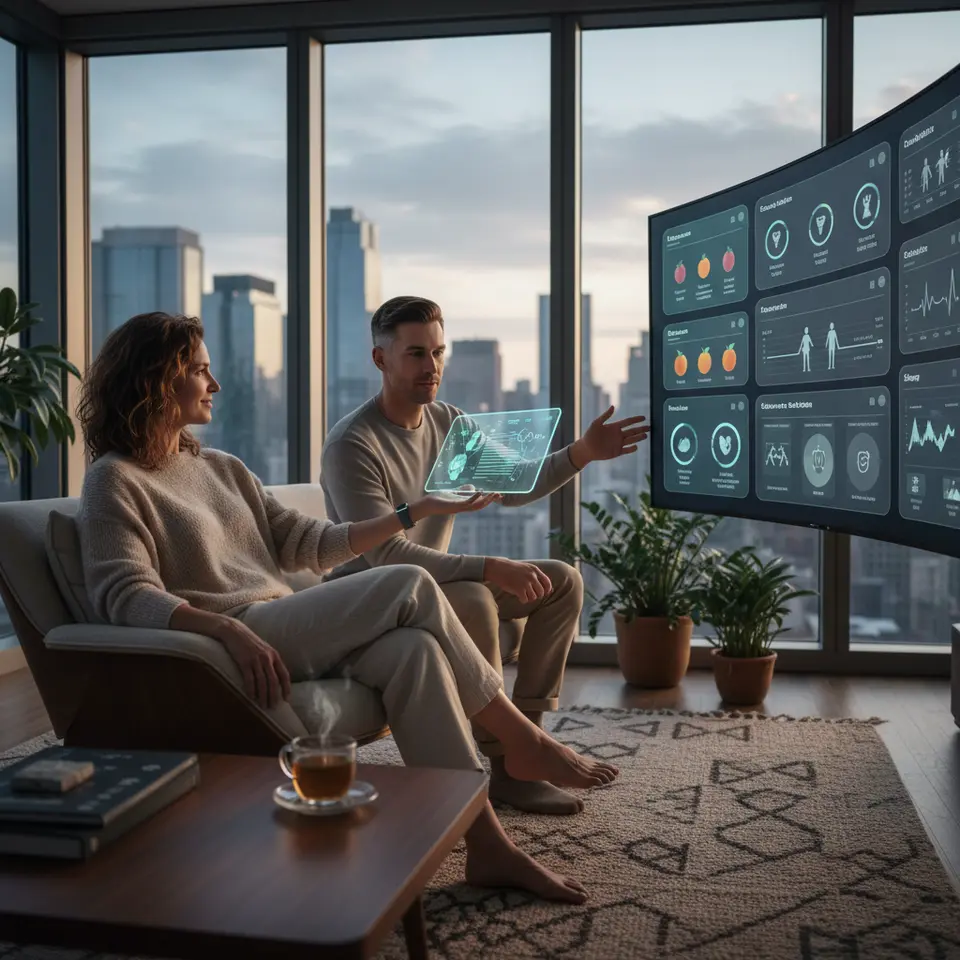
Welcome to the future of learning, where Luxury Tech seamlessly integrates into modern classrooms to foster unparalleled focus, minimize distractions, and unlock every student’s highest cognitive potential.
Discover how premium technological integrations enhance educational outcomes by prioritizing calm, minimizing cognitive overload, and supporting customized pedagogical approaches. This comprehensive guide explores the intersection of premium hardware, advanced software, and student wellness to create optimal environments for sustained academic excellence.
The Paradigm Shift Toward Premium Educational Ecosystems
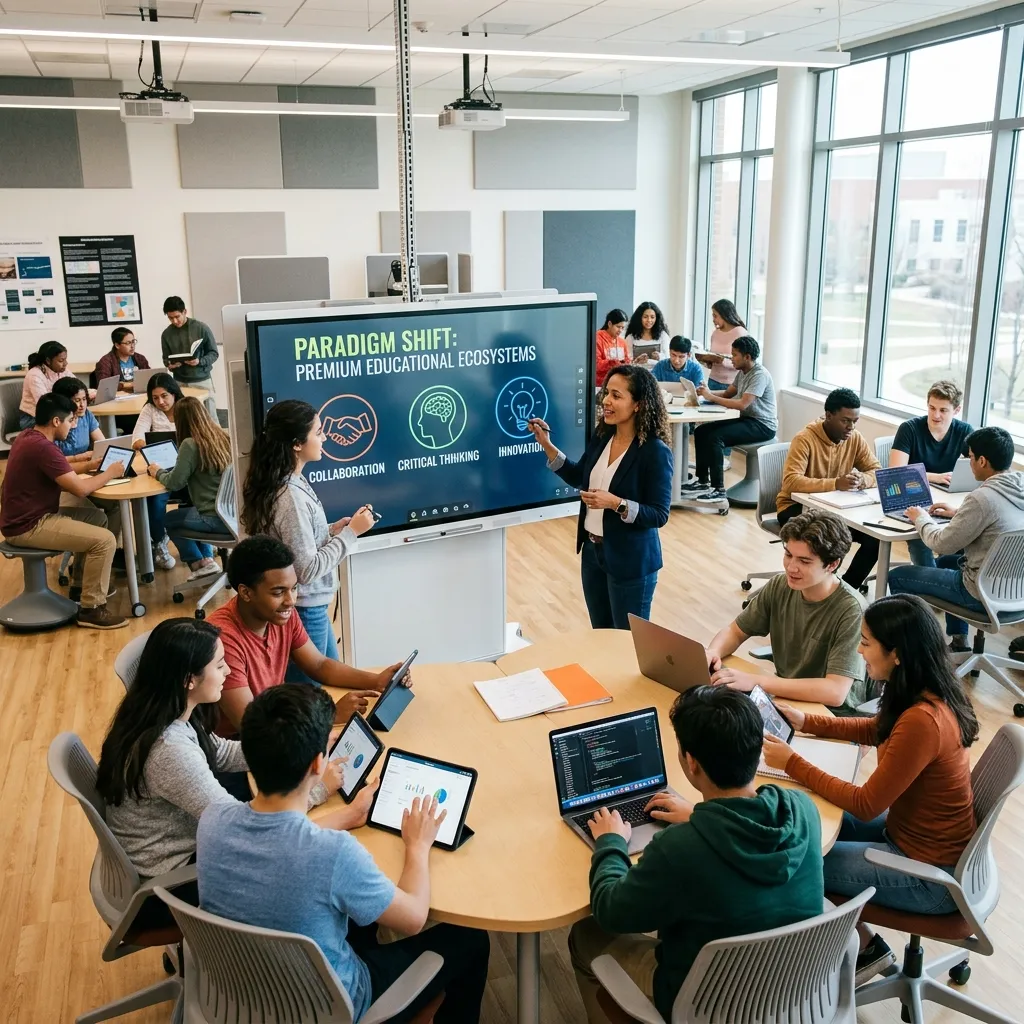
The educational landscape is undergoing a profound transformation. Historically, schools prioritized basic digital access, often sacrificing user experience for volume. Today, the conversation has shifted toward quality. Luxury Tech represents a new tier of educational tools designed not just to transmit information, but to optimize the neurological and psychological states required for deep learning. By prioritizing ergonomic design, intuitive interfaces, and seamless operation, these premium tools eliminate the digital friction that typically derails classroom focus.
When institutions invest in high-end devices and software, they signal a commitment to excellence. Students equipped with responsive, aesthetically pleasing technology experience less frustration and higher engagement. This shift mirrors the broader consumer trend where technology is viewed as an extension of the self, emphasizing calm over chaos. In an era where digital fatigue is a widespread concern, deploying Luxury Tech in schools offers an oasis of concentrated learning, allowing educators to focus on pedagogy rather than troubleshooting technical glitches.
The Evolution of Educational Environments
Education has always adapted to the tools available in any given era. Decades ago, the focus was entirely on textbooks, chalkboards, and standardized classroom designs. Today, researchers recognize that the physical and sensory environment plays a massive role in how human brains process, retain, and recall information. As digital learning expands and hybrid models become standard, the spaces where students learn require a massive functional upgrade. We are seeing a distinct shift toward premium solutions that prioritize cognitive well-being. This is where Luxury Tech steps in to redefine the standard of excellence.
When we discuss Luxury Tech in an educational context, we are not simply referring to expensive gadgets or flashy devices with unnecessary features. Instead, we are exploring highly engineered, meticulously designed tools that solve specific sensory and physical problems. These tools remove friction from the learning process. By focusing on creating a serene, comfortable, and highly functional space, students can enter a state of flow much faster and stay there much longer. This approach directly supports cognitive learning models by reducing cognitive load and allowing learners to allocate all their mental resources to complex problem-solving rather than fighting environmental discomfort.
Integrating premium solutions requires a fundamental understanding of how environmental factors affect the nervous system. The transition from a basic desk setup to a curated ecosystem involves addressing acoustics, lighting, ergonomics, and digital interface quality. Luxury Tech serves as the bridge between raw academic potential and actualized success, providing the structural foundation necessary for rigorous intellectual pursuit. By consulting resources from Stanford University and similar institutions, educators are learning that environmental control is a non-negotiable component of student achievement.
The Quantum Advantage in Environment Design
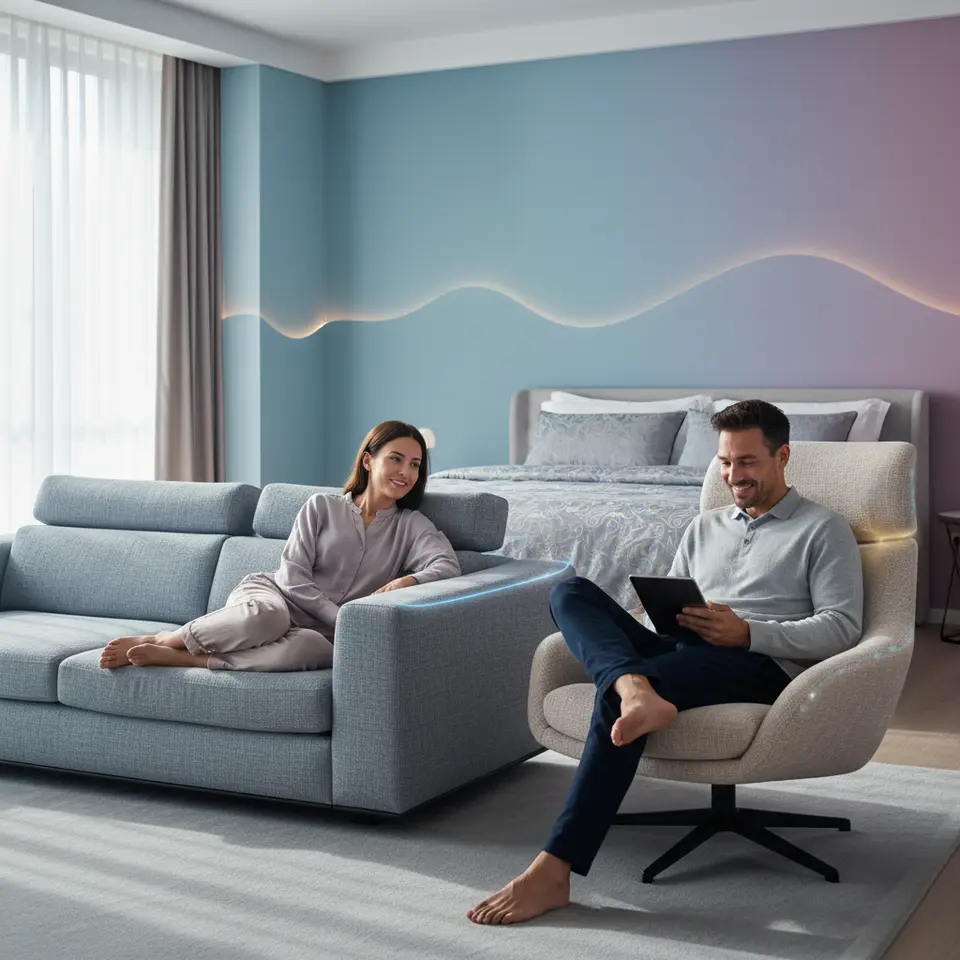
Quantum computing is revolutionizing how we analyze and interpret immense datasets, and luxury architects are harnessing this capability to craft environments that fluidly respond to individual needs. By processing real-time biometric feedback, weather data, and global design trends, quantum algorithms deliver adaptive spaces that feel almost sentient. Imagine walls that shift in hue to complement your mood, furniture firmness that adjusts to your spinal alignment, and ambient lighting that mimics the optimal wavelengths for relaxation—all driven by quantum-optimized models.
Adaptive Ambiance and Material Intelligence
Today, quantum-enhanced sensors track your sleep patterns, heart rate variability, and stress biomarkers, feeding data into a central system that modulates temperature and illumination. In spa retreats or private residences, this results in an atmosphere precisely tailored to enhance melatonin production or reduce cortisol levels. Simultaneously, smart fabrics embedded with nano-scale sensors adjust their thermal properties and texture in response to skin temperature, ensuring that seating, bedding, or drapery always feels perfect.
Curated Aesthetics at the Quantum Scale
Through quantum-driven image recognition, art installations and décor can be selected by cross-referencing a guest’s biometric fingerprint and psychological profile with global art databases. The outcome is an ultra-personalized space where every color palette, sculpture, or textile piece resonates subconsciously. As quantum processing power grows, these systems will incorporate augmented reality projections to overlay bespoke visuals that shift dynamically with your energy levels, creating an environment that evolves alongside you.
AI-Driven Wellness Sanctuaries
Cultivating well-being has always been central to high-end retreats, but in today’s era, AI-powered sanctuaries leverage quantum bio-scans and precision therapies to offer unmatched holistic care. Non-invasive quantum sensors can map cellular health, track nutrient levels, and assess stress markers in real time. This approach removes guesswork from diagnostics, allowing practitioners to prescribe treatments based on robust, data-backed insights.
Quantum Bio-Scans and Nutrigenomic Menus
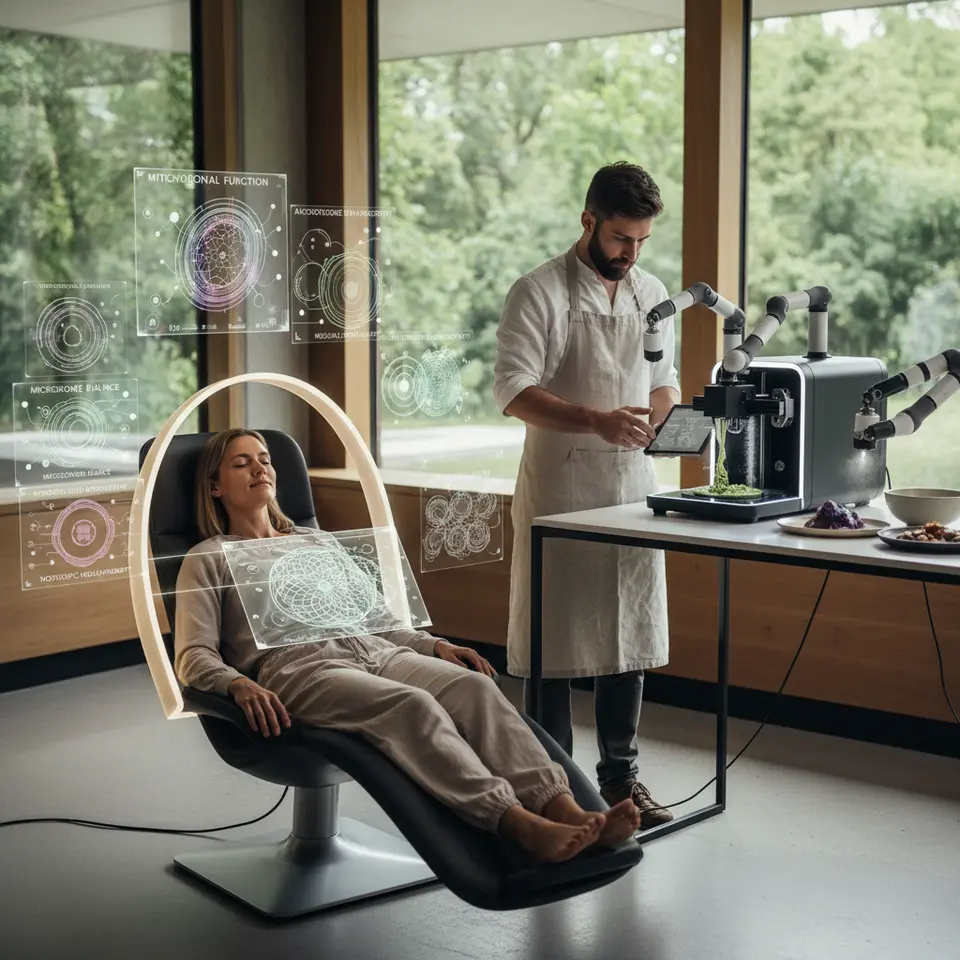
Clients undergo a full suite of quantum bio-scans that generate a detailed health profile, including mitochondrial function, microbiome balance, and neural connectivity. Armed with this information, AI-driven chefs craft nutrigenomic menus, using 3D food printers to produce superfood recipes enriched with precision-dosed nootropics and adaptogens. The result is a culinary experience that not only delights the palate but also promotes cognitive focus, metabolic equilibrium, and longevity.
Quantum Energy and Bio-Energetic Therapies
Drawing on principles from quantum biology, wellness centers are offering therapies that modulate bio-energetic fields to accelerate tissue repair, stimulate circulation, and induce deep relaxation. Treatments such as quantum vortex chambers generate coherent energy pulses tuned to individual resonance frequencies, promoting cellular regeneration and stress relief. These breakthroughs, developed in partnership with leading research centers, underscore how Quantum Luxury elevates health protocols beyond traditional spa services.
Navigating and Evaluating Premium Digital Infrastructures
Selecting the appropriate EdTech Solutions requires a rigorous evaluation of both hardware durability and software elegance. Institutions must look beyond basic specifications and assess how a tool impacts the daily rhythm of the classroom. Luxury Tech is characterized by its interoperability; devices and platforms should communicate flawlessly, creating a unified ecosystem that requires zero technical maneuvering from the student or teacher.
Decision-makers must also prioritize data privacy and security, which are hallmarks of high-end educational platforms. Premium services offer robust, enterprise-grade protection, ensuring that sensitive student information is never commodified or exposed. By investing in top-tier infrastructure, schools protect their communities while providing an unparalleled standard of digital operational fluidity.
Comparing Technology Tiers in Education
To truly understand the value proposition, it is helpful to contrast standard digital implementations with premium counterparts.
|
Feature |
Standard Technology |
Luxury Tech |
|---|---|---|
|
User Interface |
Often cluttered, requires training |
Intuitive, minimalist, zero-learning curve |
|
Performance |
Subject to lag and connectivity drops |
Seamless, lightning-fast, highly reliable |
|
Distraction Level |
High (notifications, ads, pop-ups) |
Low (focus modes, locked-down ecosystems) |
|
Physical Ergonomics |
Basic, one-size-fits-all |
Adaptive, eye-care certified, posture-friendly |
|
Data Security |
Basic compliance |
Enterprise-grade, zero-knowledge architecture |
Expert Insights on Transforming Learning Spaces
Prominent educational technologists agree that the physical and digital environments are inextricably linked. Dr. Aris Thorne, a leading researcher in cognitive ergonomics, notes that “When we remove the friction of poorly designed tools, we see an immediate drop in student anxiety.” Investing in Luxury Tech is not about prestige; it is about respecting the learner’s cognitive load. Experts recommend starting with auditory environments, utilizing high-fidelity noise-canceling headsets to create individual focus zones within bustling classrooms.
Furthermore, technology integration specialists advocate for a “less is more” approach when designing software interfaces. The best technology operates invisibly. By prioritizing sleek, highly functional devices, schools can mimic the serene environments found in top-tier professional workspaces, subtly preparing students for the expectations of the modern, high-focus economy.
Hyper-Personalized Service Ecosystems
Service in the Quantum Luxury realm extends far beyond polite greetings and room service—it anticipates every nuance of a client’s preferences by leveraging AI concierges powered by quantum recommendation engines. These systems analyze travel history, social media expressions, biometric signals, and even sentiment trends to curate bespoke itineraries and communication styles.
Predictive Itinerary Planning and Sentiment-Adaptive Communication
By correlating a guest’s past adventures with current mood assessments, AI concierges can propose sunrise yacht voyages, after-hours museum tours, or bespoke cultural experiences that align perfectly with individual desires. Simultaneously, natural language processing models gauge emotional tone in real time, adjusting messaging style, pacing, and content to ensure each interaction conveys empathy and authenticity. Whether you prefer concise updates or narrative-rich suggestions, the AI adapts instantly.
Seamless Cross-Platform Integration
In Quantum Luxury residences, the entire digital ecosystem—smart locks, lighting, entertainment systems, and personal devices—synchronizes through a unified quantum-secured network. Guests experience a frictionless transition from private jet cabins to villa living spaces, with preferences and profiles following them via encrypted channels. This level of continuity ensures that every environment feels like a natural extension of the individual, reinforcing the promise of truly personalized luxury.
Sustainable Quantum Materials and Security
Luxury need not come at the expense of the planet. Advances in material science powered by quantum computing are producing sustainable alternatives that perform as well as or better than their traditional counterparts. From lab-grown superalloys to carbon-negative smart fabrics, the emphasis is on eco-conscious elegance.
Lab-Grown Superalloys and Bio-Engineered Textiles
Quantum simulations expedite the development of superalloys that mimic rare metals’ luster and tensile strength while minimizing environmental impact. These materials find applications in watch casings, architectural details, and bespoke accessories. Meanwhile, carbon-negative textiles woven from bio-engineered fibers capture CO₂ and self-regulate temperature based on biometric feedback, offering both comfort and climate stewardship.
Quantum Security and Privacy Bubbles
For the ultra-exclusive clientele, quantum encryption and decentralized identity systems provide bulletproof privacy. Quantum key distribution ensures that any eavesdropping automatically alters encryption keys and triggers real-time alerts. Self-sovereign identity wallets allow individuals to share only the attributes they choose, eliminating third-party data brokers. AI-patrolled privacy bubbles monitor both physical spaces and digital channels, isolating potential breaches before they escalate, making Quantum Luxury as secure as it is sublime.
Immersive Quantum-AR & VR Experiences and Concierge Networks
Augmented and virtual reality have long promised new realms of immersion, but Quantum Luxury harnesses quantum encryption and ultra-low latency protocols to deliver experiences so vivid they blur the line between real and virtual. Multi-sensory integrations—haptic feedback floors, adaptive scent diffusers, and climate control modules—synchronize with AR/VR content to create fully embodied digital journeys.
Emotion-Responsive Storylines and Presence Enhancement
By continuously analyzing a participant’s emotional reactions, quantum-AR platforms adapt narrative paths on the fly. Whether transporting you to a serene forest cathedral or an avant-garde fashion runway, every twist responds to your mental state, crafting a uniquely personal storyline. Quantum-enhanced presence technologies recreate tactile sensations—like the caress of a virtual garment—making these experiences profoundly realistic.
Global Quantum Concierge Networks
Finally, a decentralized network of ultra-luxury properties, from private villas to superyachts and jets, is unified by a quantum-powered concierge AI. A universal preference ledger records your culinary requirements, fragrance choices, and spa rituals—accessible instantly at any partner location. Dynamic membership tiers unlock exclusive benefits, while AI-curated fleets of cars, yachts, or aircraft can be chartered with a single voice command. In today’s interconnected luxury ecosystem, your status, credentials, and privileges transfer seamlessly, ensuring every journey feels intimately tailored.
Conclusion
In 2026, Quantum Luxury represents a paradigm shift in upscale living, where quantum computing, AI-driven wellness, hyper-personalized services, sustainable materials, and immersive technologies converge to redefine what it means to indulge. No longer measured solely by extravagance or scale, true luxury today is judged by the precision of experiences—those thoughtfully engineered to resonate with each individual on a cellular, emotional, and aesthetic level. As these innovations become mainstream, elite travelers and connoisseurs can look forward to environments that adapt in real time, therapies supported by quantum-grade diagnostics, and service ecosystems so intuitive they anticipate desires before they are voiced. Embracing the quantum revolution not only elevates the standard of living but also ensures that every element of luxury is sustainable, secure, and exquisitely personal. The future of elite indulgence is here—and it’s crafted to harmonize seamlessly with the individual soul.
Frequently Asked Questions
1. How does premium audio equipment improve studying?
High-quality audio equipment delivers clear, distortion-free sound which is ideal for listening to focus-enhancing tracks like binaural beats or classical music. It prevents listening fatigue and helps create an auditory environment that supports prolonged concentration without annoying background hiss or poor frequency response.
2. Are active noise cancellation devices safe for extended use?
Yes, modern noise-canceling devices are completely safe for daily use. They work by emitting a sound wave that is the exact negative of incoming ambient noise, neutralizing the sound before it reaches your eardrum. This actually protects your hearing since you do not have to turn up your music to drown out background noise.
3. What makes ergonomic furniture worth the premium price?
Premium ergonomic furniture is highly adjustable, allowing it to conform precisely to your unique body shape. It prevents the musculoskeletal strain, back pain, and poor circulation that result from sitting in rigid, unsupportive chairs. This physical comfort directly translates to longer, more productive study sessions.
4. Can smart lighting really affect my academic performance?
Absolutely. Light directly controls the human circadian rhythm. Bright, cool-toned light increases alertness and focus during daytime study sessions. Shifting to warmer, dimmer light in the evening helps your brain produce melatonin, ensuring you get the restorative sleep necessary to consolidate new information.
5. Why is a minimalist desk setup important for learning?
A cluttered visual field competes for your brain’s attention. Even if you are not actively looking at the mess on your desk, your brain is processing it in the periphery, which uses up valuable cognitive energy. A minimalist setup removes these visual distractions, allowing 100% of your focus to remain on your work.
6. How do I start upgrading my study space on a budget?
Start by identifying your single biggest distraction. If noise is the problem, invest in good headphones first. If back pain is the issue, prioritize an ergonomic chair. You do not need to buy everything at once; gradual, targeted upgrades will still provide massive improvements to your learning environment.
7. Does high-end tech actually help with neurodivergent learning?
Yes, premium tools are especially beneficial for individuals with ADHD, autism, or sensory processing differences. The ability to strictly control lighting, silence unpredictable background noises, and adjust physical comfort helps prevent sensory overload and creates a safe, controlled environment conducive to focus.
8. What is the difference between standard and premium monitors for studying?
Premium monitors often feature higher refresh rates, flicker-free technology, and built-in blue light filters. They also offer higher resolutions, making text much sharper. This combination drastically reduces eye strain and headaches during long reading or coding sessions compared to standard, lower-quality screens.
9. How long do premium educational technology investments last?
Because they are built with higher quality materials and better engineering, luxury technological tools typically outlast standard gear by several years. They also often come with extensive warranties and software updates, making them a better long-term financial investment for students traversing high school and university.
10. Can these tools be used effectively in a small dorm room?
Yes, in fact, they are even more critical in small, shared spaces. When you cannot control your external environment, personal tools like noise-canceling headsets, compact smart lamps, and space-saving ergonomic accessories allow you to carve out a personalized zone of calm and focus right at your desk.



Leave a Reply