


Cultivating a journey health and lifestyle mindset is no longer just for personal wellness. Applying these principles transforms education by fostering deep calm and laser-sharp focus.
This comprehensive guide explores how integrating a journey health and lifestyle framework into educational environments revolutionizes student engagement. You will learn actionable strategies, psychological frameworks, and practical environmental changes that reduce academic anxiety and significantly improve long-term cognitive retention.
The Intersection of Wellness and Academic Success

For generations, the educational system prioritized rote memorization and rigid testing over holistic student well-being. However, recent shifts in pedagogy reveal that cognitive function is inextricably linked to physical and mental health. Embracing a journey health and lifestyle approach within schools bridges the gap between feeling good and learning effectively.
When educators and administrators prioritize a journey health and lifestyle, they acknowledge that a student’s capacity to absorb complex information relies heavily on their baseline stress levels. High-stress environments trigger the amygdala, pushing students into a fight-or-flight state that completely blocks the prefrontal cortex—the area of the brain responsible for logical thinking and problem-solving. By introducing calm, predictable, and health-focused routines, schools can actively lower cortisol levels and create an optimal state for deep learning.
The Neurological Impact of Calm on Student Focus
Understanding the neurological mechanisms behind learning makes the adoption of a journey health and lifestyle framework undeniably critical. Focus is not simply a matter of willpower; it is a biological state that requires specific conditions. When students experience chronic stress from sleep deprivation, poor nutrition, or overwhelming academic pressure, their brain’s neuroplasticity decreases.
Conversely, a journey health and lifestyle promotes activities that stimulate the production of brain-derived neurotrophic factor. This protein acts like fertilizer for the brain, encouraging the growth of new neural connections. Practices such as regular physical movement, mindfulness exercises, and adequate rest directly enhance neuroplasticity. Students who operate within this balanced state demonstrate drastically improved attention spans, better emotional regulation, and higher scores on cognitive assessments.
Shifting from Reactive to Proactive Learning
A reactive learning environment is one where students cram for exams, panic over deadlines, and ignore their physical needs until they burn out. This cycle is fundamentally opposed to a true journey health and lifestyle. A proactive approach teaches students how to manage their energy rather than just managing their time.
By integrating health principles into the curriculum, we teach students that their physical vehicle drives their mental engine. They learn to view sleep, nutrition, and mental breaks not as lazy indulgences, but as essential preparation for academic performance. This paradigm shift creates resilient learners who understand how to sustain their focus over long periods without sacrificing their well-being.
Core Pillars of a journey health and lifestyle in Schools
Transforming an entire educational framework requires a systematic approach. The implementation of a journey health and lifestyle rests on several core pillars that must be integrated seamlessly into the daily routine of both students and educators.
Nutritional Foundations for Cognitive Endurance
The food students consume directly impacts their blood sugar levels, which in turn dictates their capacity to focus. A school environment that embraces a journey health and lifestyle must prioritize nutritional education and access to brain-boosting foods. Processed sugars and refined carbohydrates cause rapid energy spikes followed by severe crashes, making sustained attention impossible.
Educators can incorporate nutritional science into their biology or health classes, teaching students how complex carbohydrates, healthy fats, and proteins stabilize energy. Furthermore, schools can partner with local agriculture programs to provide whole foods in cafeterias. When students understand the direct correlation between their breakfast and their ability to conquer a difficult math problem, they begin to make choices that support their cognitive endurance.
Prioritizing Physical Mobility and Ergonomics
The human body was not designed to sit at a desk for eight hours a day. Sedentary behavior reduces blood flow to the brain, leading to lethargy and diminished concentration. A central tenet of a journey health and lifestyle is the promotion of consistent physical mobility and ergonomic support.
We must rethink the physical classroom. Integrating standing desks, stability balls, and scheduled movement breaks prevents the physical stagnation that leads to mental fatigue. Even subtle changes, like encouraging students to stretch during transitions or practicing proper posture, can drastically improve oxygen delivery to the brain. For more insights on this, you can read our guide on optimizing your physical workspace to see how environment dictates performance.
Mental Resilience and Emotional Regulation
Academic success requires the ability to bounce back from failure. A journey health and lifestyle places heavy emphasis on mental resilience and emotional regulation. Students must learn how to process academic setbacks without internalizing them as personal failures.
Mindfulness practices, such as deep breathing exercises or short meditation sessions at the start of a class, help students center themselves. These practices train the brain to observe stress rather than react to it impulsively. When a student can approach a challenging exam with a calm, regulated nervous system, their ability to recall information and think critically is vastly superior to a student operating in a state of panic.
Implementing journey health and lifestyle Strategies
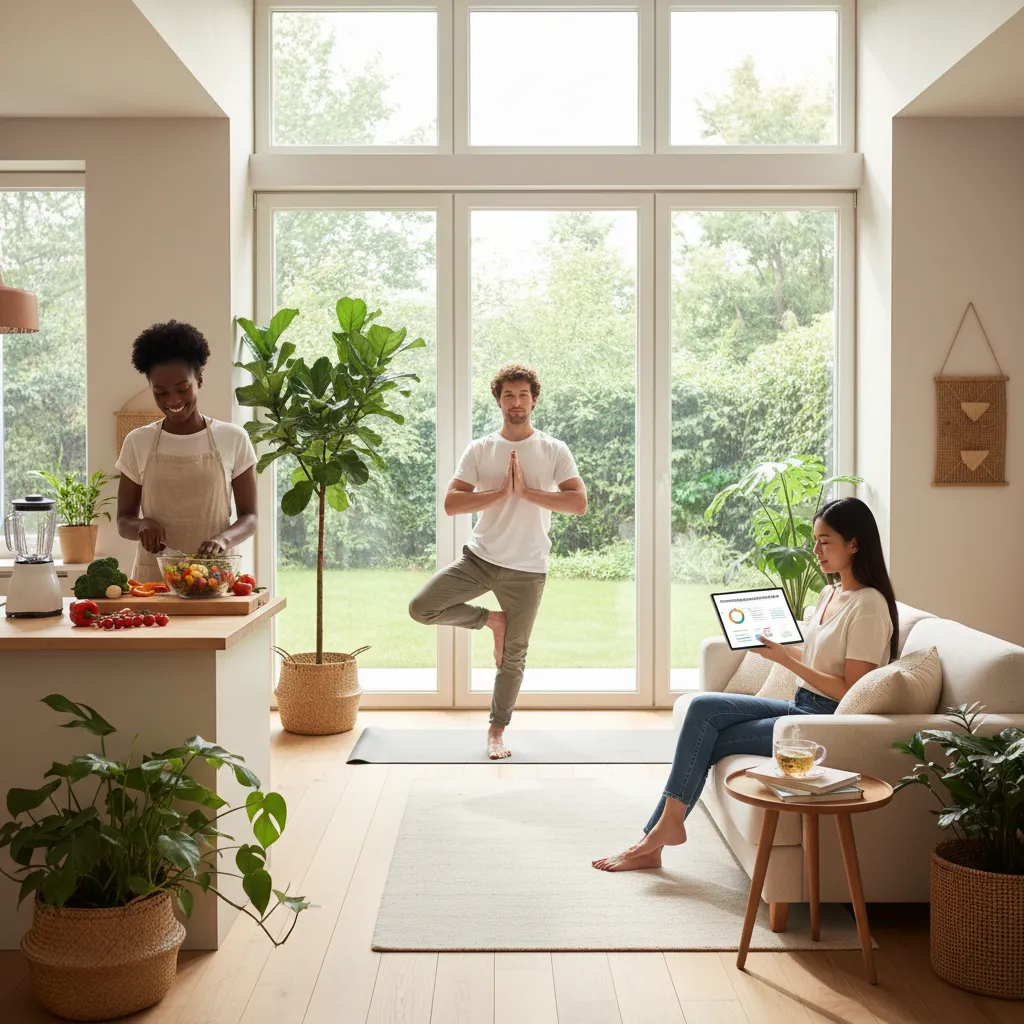
Theoretical knowledge must translate into practical application. Here is a step-by-step guide to implementing a journey health and lifestyle framework within any educational setting.
Step 1: Conduct a Wellness Audit
Before making changes, schools must assess their current environment. Are the classrooms filled with harsh fluorescent lighting? Do the schedules allow for adequate rest between intense subjects? A comprehensive audit identifies the primary sources of friction that disrupt a journey health and lifestyle.
Step 2: Redesign the Daily Schedule
Traditional school schedules often cram difficult subjects back-to-back. A schedule optimized for a journey health and lifestyle spaces out cognitively demanding tasks and intersperses them with physical activity or creative breaks. This respects the brain’s natural ultradian rhythms, which operate in 90-minute cycles of high focus followed by 20 minutes of required rest.
Step 3: Introduce Micro-Habits
Transformation does not require immediate, massive overhauls. Introduce micro-habits that align with a journey health and lifestyle. This could be a mandatory two-minute breathing exercise before every major test, or replacing sugary cafeteria snacks with whole fruit options. Small, consistent changes compound over time to create a massive shift in school culture.
Step 4: Empower the Educators
Educators cannot pour from an empty cup. A true journey health and lifestyle must extend to the teaching staff. Schools should provide wellness resources, ergonomic teaching stations, and mental health days for their staff. A calm, focused teacher naturally cultivates a calm, focused classroom.
Common Mistakes to Avoid
When attempting to integrate a journey health and lifestyle into education, institutions often stumble into predictable pitfalls. Recognizing these errors ensures a smoother transition.
- Treating Wellness as an Extracurricular: The most common mistake is viewing health as something separate from academics. A journey health and lifestyle must be woven into the fabric of the curriculum, not relegated to a 30-minute physical education class once a week.
- Ignoring Individual Differences: Students have different biological rhythms and nutritional needs. A rigid wellness program that forces every student into the exact same routine will fail. Flexibility is key.
- Focusing Solely on Physical Health: While nutrition and movement are vital, ignoring the psychological aspects of a journey health and lifestyle is a critical error. Emotional regulation and mental health support are just as important as a healthy lunch.
- Overcomplicating the Process: Introducing complex meditation routines or highly restrictive diets creates resistance. Keep the strategies simple, accessible, and easy to execute.
- Failing to Track Progress: Without measuring outcomes, it is impossible to know if the new strategies are working. Schools must use proper metrics. Check out our resource on data-driven self-improvement to understand how to monitor wellness metrics effectively.
Comparison Table: Traditional vs. journey health and lifestyle Approach
To clearly illustrate the benefits, let us compare the traditional educational model with an environment optimized for a journey health and lifestyle.
|
Feature |
Traditional Education Model |
journey health and lifestyle Approach |
|---|---|---|
|
Primary Goal |
Rote memorization and test scores |
Holistic cognitive and physical development |
|
Stress Management |
Reactive (dealing with burnout) |
Proactive (preventing burnout through routine) |
|
Physical Environment |
Sedentary, rigid desk arrangements |
Ergonomic, movement-friendly, flexible seating |
|
Schedule Structure |
Back-to-back intense cognitive loads |
Aligned with natural ultradian rhythms and breaks |
|
View of Failure |
Punitive and anxiety-inducing |
Treated as a data point for growth and resilience |
|
Nutrition |
Often overlooked or heavily processed |
Integrated as a core component of brain fuel |
This table demonstrates how fundamentally different and advantageous the new paradigm is for long-term student success.
Pro Tips and Expert Insights for Sustained Focus
To truly master the implementation of a journey health and lifestyle, educators and students alike should adopt the following expert insights.
Curate the Sensory Environment
The physical environment profoundly influences cognitive state. Minimize visual clutter in classrooms to reduce sensory overload. Utilize natural lighting whenever possible, as it helps regulate circadian rhythms, improving both focus during the day and sleep quality at night. When natural light is unavailable, opt for warm, dimmable LED lights rather than harsh fluorescents.
Implement the Pomodoro Technique
For individual study sessions, teach students to use the Pomodoro technique. This involves 25 minutes of intense, unbroken focus followed by a 5-minute physical break. This method perfectly aligns with a journey health and lifestyle by preventing mental fatigue and keeping the brain fresh for prolonged periods of study.
Encourage Hydration as a Rule
Dehydration shrinks brain tissue and impairs executive function. A simple yet incredibly effective pro tip is to make water bottles mandatory on desks. Consistent hydration is the easiest, most cost-effective way to immediately boost the cognitive baseline of an entire classroom.
Teach the Neuroscience of Learning
Do not just tell students to sleep and eat well; explain the science behind it. When students understand that lack of sleep physically prevents their hippocampus from transferring short-term memories into long-term storage, they are far more likely to prioritize their rest. Demystifying the brain empowers students to take control of their own journey health and lifestyle.
Overcoming Resistance to Educational Change

Any systemic change faces resistance. Parents, school boards, and even students themselves may initially push back against adopting a journey health and lifestyle framework. Overcoming this resistance requires clear communication and undeniable data.
Administrators must present case studies demonstrating how schools that prioritize student wellness consistently outperform traditional schools in standardized testing, attendance rates, and behavioral metrics. Furthermore, it is crucial to communicate that a journey health and lifestyle does not mean lowering academic standards. In fact, it means optimizing the human brain to achieve even higher standards of excellence without the collateral damage of chronic anxiety.
By starting with pilot programs—perhaps transforming one classroom or one specific grade level—schools can generate internal data that proves the efficacy of the approach. Once the positive results become visible, the resistance naturally dissolves, paving the way for a full-scale educational transformation.
The Future of Holistic Education
As our understanding of human biology and psychology continues to advance, the integration of wellness into academic environments will shift from an innovative concept to an absolute necessity. The future of education lies in the seamless blending of mind and body optimization.
A true journey health and lifestyle approach recognizes that we are not raising test-takers; we are raising human beings. By providing students with the tools to manage their physical energy, regulate their emotions, and sustain their focus, we do more than just help them pass exams. We equip them with the foundational life skills necessary to thrive in an increasingly complex and demanding world.
Embracing this holistic view ensures that our educational institutions become incubators for healthy, focused, and deeply resilient future leaders. The transition requires effort, but the outcome—a generation capable of calm, sustained excellence—is well worth the investment.
Adopting a journey health and lifestyle is the ultimate catalyst for educational transformation. By actively integrating nutritional awareness, ergonomic environments, and proactive stress management into daily routines, schools can unlock unprecedented levels of calm and focus. Start redesigning your learning environments today to build a foundation where students and educators can truly thrive.
FAQs
What exactly is a journey health and lifestyle in the context of education?
It is a holistic framework that integrates physical wellness, emotional regulation, and cognitive health into the daily academic routine, ensuring students have the biological and psychological foundation required for deep focus and effective learning.
How does physical movement improve academic focus?
Physical activity increases blood flow and oxygen delivery to the brain. It also stimulates the release of neurotransmitters like dopamine and serotonin, which enhance mood, attention span, and overall cognitive function during class time.
Why is emotional regulation important for test-taking?
When a student cannot regulate their emotions, test anxiety triggers a fight-or-flight response that literally blocks access to the prefrontal cortex. Emotional regulation techniques keep the nervous system calm, allowing full access to memory and logical reasoning.
How can a teacher implement a journey health and lifestyle in a small classroom?
Teachers can start with micro-habits, such as leading a two-minute deep breathing exercise before a lesson, allowing water bottles at desks, and incorporating brief standing or stretching breaks every 30 minutes to reset student focus.
What role does nutrition play in a student’s daily focus?
Nutrition dictates blood sugar stability. Meals high in processed sugars cause rapid energy crashes, destroying focus. A journey health and lifestyle emphasizes complex carbs, proteins, and healthy fats that provide a slow, steady release of energy to the brain.
How does the traditional education model conflict with a journey health and lifestyle?
Traditional models often demand long periods of sedentary behavior, prioritize test scores over mental health, and ignore the biological need for frequent rest and movement, leading to chronic stress and cognitive burnout.
What is the Pomodoro technique and how does it help?
The Pomodoro technique involves working with intense focus for 25 minutes, followed by a 5-minute break. It aligns with natural brain rhythms, preventing mental fatigue and allowing students to study longer without losing comprehension.
Can a journey health and lifestyle approach actually improve standardized test scores?
Yes. By reducing chronic stress, improving sleep hygiene, and optimizing brain function through proper nutrition and movement, students are biologically better prepared to retain information and perform well under testing conditions.
How important is the physical classroom environment?
Extremely important. Harsh lighting, uncomfortable seating, and visual clutter increase sensory stress. Ergonomic seating, natural light, and organized spaces promote a sense of calm that is essential for a productive journey health and lifestyle.
How can parents support a journey health and lifestyle at home?
Parents can support this by enforcing consistent sleep schedules, providing nutrient-dense meals, encouraging outdoor physical activity, and teaching their children to value the learning process over the perfection of their grades.



Leave a Reply